Furniture for Wellness Clinic Waiting Room (2026 Picks)

Sohnne Design Studio
August 1, 2026
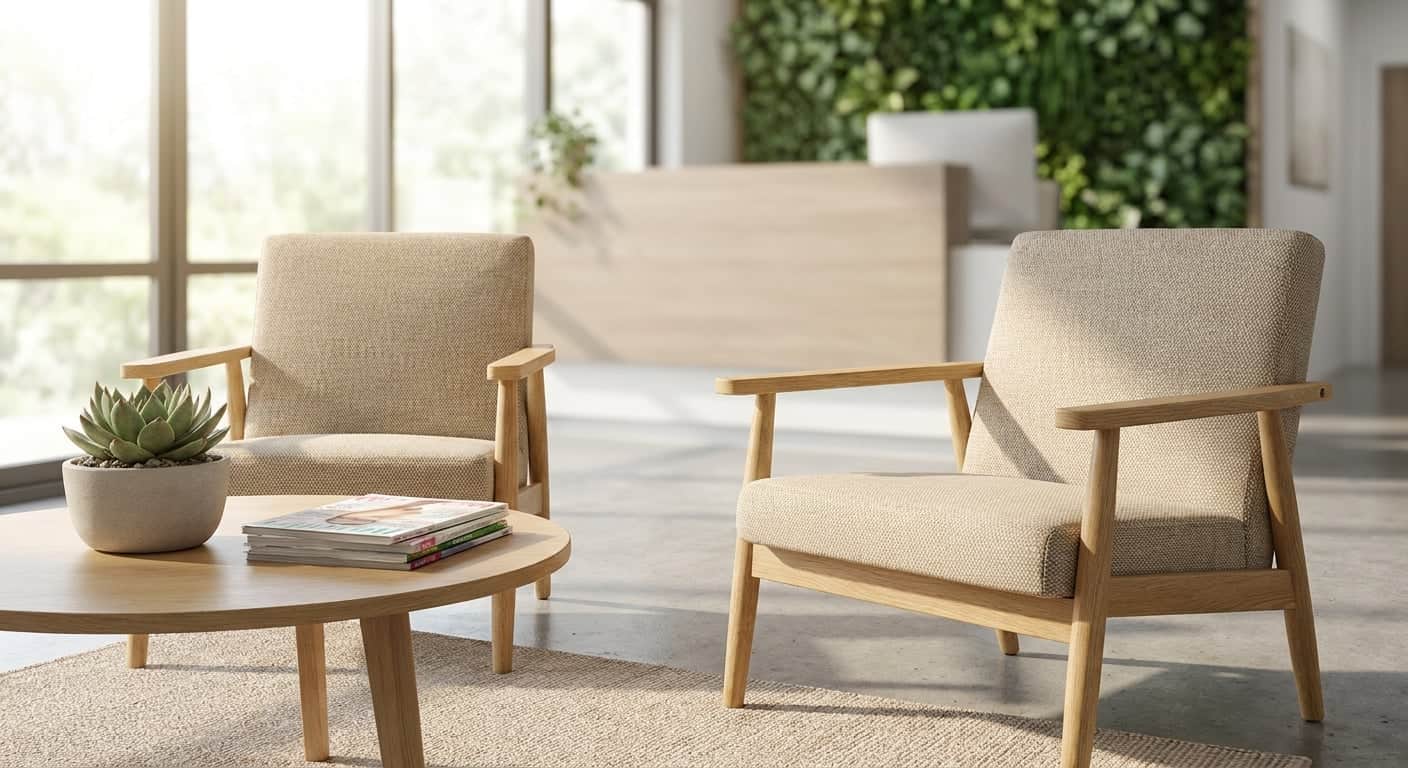
A clinic waiting room isn't a living room, but it isn't a hospital corridor either — the seating has to hold up to daily turnover and still tell patients they're somewhere calm before they've said a word to anyone. Choosing furniture for wellness clinic waiting room use means balancing wipe-clean materials against a warmth that doesn't feel institutional.
TL;DR- Furniture for wellness clinic waiting room use needs vinyl or performance fabric, not delicate boucle.
- The Sohnne therapist office chair pick works because seat height stays low enough for easy standing at 2026 accessibility norms.
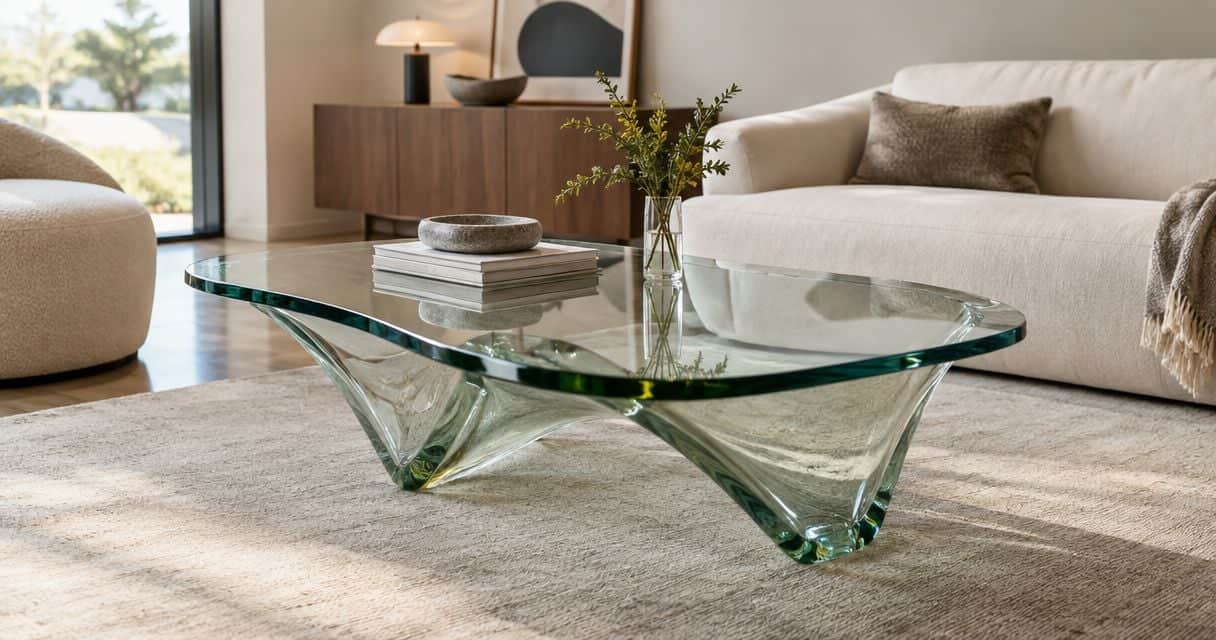
- Skip glass-top or marble accent tables in high-traffic waiting areas — chipping risk is real within a year.
- A psychiatrist office replica chair setup pairs firm cushioning with a quieter, non-clinical silhouette patients notice immediately.
Why this matters
Patients read a waiting room before a receptionist says a word. A chair that looks stiff and clinical raises tension before an appointment even starts, and a chair that's too soft or too low becomes a mobility problem by mid-afternoon. Wellness clinics — therapy practices, psychiatry offices, acupuncture studios, physical therapy intake rooms — sit in a strange furniture middle ground: not medical-grade vinyl benches, not residential sofas either.
The seating decision also has a maintenance cost attached. A fabric that can't be wiped down after a spilled coffee or a muddy shoe becomes a replacement expense within 18 to 24 months of daily use. Getting the material and proportions right the first time avoids that churn.
Who this is for
This guide is for clinic owners and office managers furnishing a waiting area that sees 15 to 40 patients a day — therapists, psychiatrists, chiropractors, acupuncturists, and wellness studios that want the room to look considered rather than sterile. If you're furnishing a single therapist's private office rather than a shared waiting area, the criteria shift slightly toward comfort over turnover durability, but most of what follows applies to both.
What to look for in furniture for a wellness clinic waiting room
Wipeable, non-porous materials
Boucle and raw linen look inviting in a photo but absorb stains and hold odor after repeated daily contact. A performance vinyl or tightly woven synthetic blend wipes clean in under a minute and resists the wear that 20+ daily sit-downs create. This single decision does more for long-term cost than anything else on this list.
Seat height between 17 and 19 inches
Patients range from teenagers to seniors, and a seat under 16 inches makes standing up harder for anyone with joint pain — a common visitor profile in a wellness clinic. Chairs in the 17 to 19 inch range accommodate the widest range of bodies without looking oversized.
Firm, supportive cushioning
Soft, sink-in cushions feel plush in a showroom but become a mobility obstacle after 10 minutes of sitting, especially for patients already dealing with back or joint issues. Firmer foam density holds its shape through repeated use and reads as more professional in a clinical setting.
A silhouette that reads calm, not corporate
Bland office-waiting-room chairs communicate bureaucracy; a considered mid-century silhouette communicates that the practice pays attention to detail. This matters more in therapy and psychiatry settings, where the room itself is part of the patient's first impression of care quality.
Acoustic softness
Hard surfaces bounce sound and make a small waiting room feel louder and more exposed — a problem in practices where confidentiality already makes patients anxious. Upholstered seating and a rug underfoot absorb noise a bare bench or metal chair won't.
Compact footprint without cramped spacing
Most clinic waiting rooms run 150 to 300 square feet. Furniture that's oversized crowds the room and makes patients sit closer together than they'd like; furniture that's too small looks under-furnished. Aim for seats with an 18 to 22 inch depth that leave at least 24 inches of walking clearance.
Top picks
The calm anchor — a therapist-office lounge chair setup built around low, accessible seat heights and a quiet upholstered profile. Seat height sits in the 17-18 inch range recommended above, and the silhouette avoids the sharp, corporate lines that read as impersonal. Buy for practices furnishing one to three seats in a private consult room. See the full breakdown in the therapist office chair guide.
The quiet consult pick — furniture chosen specifically for psychiatrist and counseling offices, where the room needs to feel private and unhurried rather than clinical. This setup leans on softer upholstery tones and slightly deeper seats for longer sessions. Buy if patient visits regularly run past 45 minutes. Details are in the psychiatrist office furniture guide.
The mindful pick — chairs suited to meditation rooms and low-stimulation wellness spaces, with a simpler frame and muted fabric palette that avoids visual noise. Consider this for acupuncture, massage, or holistic practices where the waiting area doubles as a decompression space before treatment. Full picks live in the meditation room chair guide.
The ergonomic pick — a lower-back-supportive lounge profile aimed at patients who sit for extended periods before appointments, with a slightly reclined backrest angle and firmer lumbar support than a standard accent chair. Consider for physical therapy or chiropractic waiting rooms where patients already deal with back pain and need real support, not just style.
Furnish your waiting room right
Browse Sohnne’s full mid-century collection built at 1:1 original dimensions.
Shop the collectionWhat to avoid
- Glass or marble-top accent tables — they photograph well but chip and crack under repeated bag drops and clipboard slides within a year of daily clinic use.
- Deep-seat lounge chairs with a low recline — comfortable for a living room, but patients struggle to rise quickly when called back for an appointment.
- Untreated raw fabrics — boucle, linen, and other porous textiles stain fast and are difficult to spot-clean between patients. Confirm construction quality first using the replica furniture quality checklist before ordering anything for a high-traffic room.
"If a chair looks precious, patients won't actually sit in it the way a waiting room needs them to."
Verdict comparison
| Pick | Seat height | Best for | Verdict |
|---|---|---|---|
| Therapist office chair | 17-18 in | Private consult rooms | Buy |
| Psychiatrist office furniture | 18 in | Longer sessions | Buy |
| Meditation room chair | 17 in | Low-stimulation spaces | Consider |
| Ergonomic lounge pick | 18-19 in | Back-pain-prone patients | Consider |
FAQ
What’s the best furniture for a wellness clinic waiting room in 2026?
Firm-cushioned lounge chairs with 17 to 19 inch seat heights and wipeable performance fabric work best for wellness clinic waiting rooms in 2026. Avoid deep-recline or overly soft seating that slows patients down when called back.
Is replica furniture appropriate for a professional clinic setting?
Yes, replica mid-century pieces read as considered and calm rather than clinical when the materials are chosen for durability, not just aesthetics. The key is picking wipeable upholstery, not the design style itself.
How much seating does a small clinic waiting room need?
Most waiting rooms under 300 square feet fit 3 to 5 seats comfortably while keeping 24 inches of walking clearance between them. Overcrowding the room with more seats than that makes patients sit closer together than most prefer in a medical setting.
What fabric holds up best in a high-traffic waiting room?
Performance vinyl and tightly woven synthetic blends hold up best because they wipe clean in under a minute and resist staining from daily contact. Boucle and raw linen look appealing but absorb spills and stain within months of clinic-level use.
Should a therapy office use different seating than a general waiting room?
Therapy and psychiatry offices benefit from slightly deeper, softer seats since sessions often run 45 minutes or longer. A general waiting room prioritizes quick turnover, so a firmer, lower-seat-height chair works better there.
Does seat height really matter for patient comfort?
Yes — a seat under 16 inches makes standing difficult for patients with joint pain or mobility limits, a common profile in wellness clinics. The 17 to 19 inch range accommodates the widest range of ages and physical conditions.
One last thing
The detail most clinics miss isn't the chair — it's the noise the room makes. A waiting area with hard flooring, glass surfaces, and no upholstered furniture amplifies every cough, phone call, and clipboard tap, which raises patient anxiety before an appointment even starts. Swapping one hard accent table for an upholstered ottoman or adding a rug does more for perceived calm in 2026 than another round of paint color changes.
Related guides
- Replica furniture for a hotel lobby aesthetic
- Best couches for back pain: what to look for
- How to verify quality before buying replica furniture
Stay connected with us!
Keep in touch with what’s new and next. Subscribe for weekly insights, product launches, and community news!