
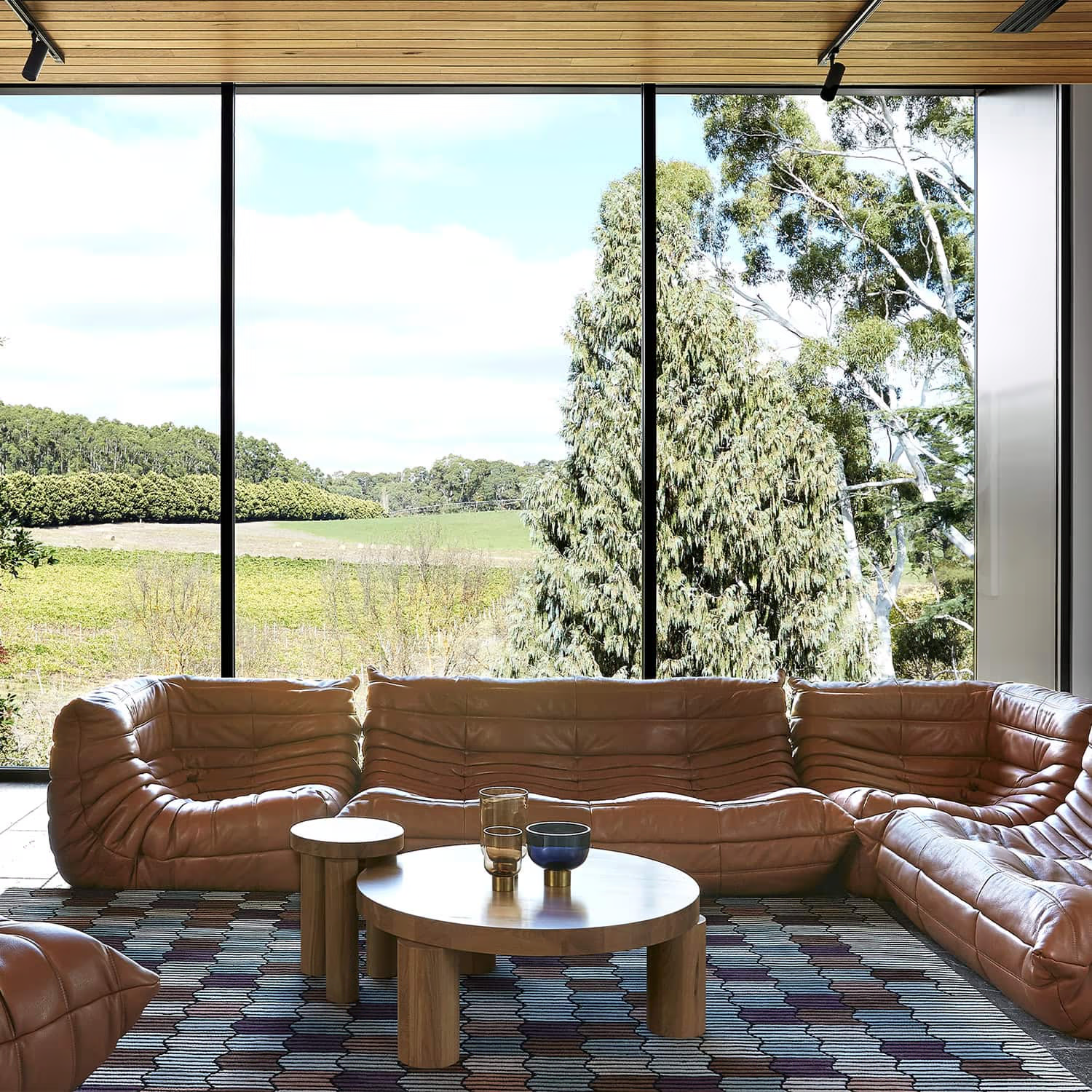
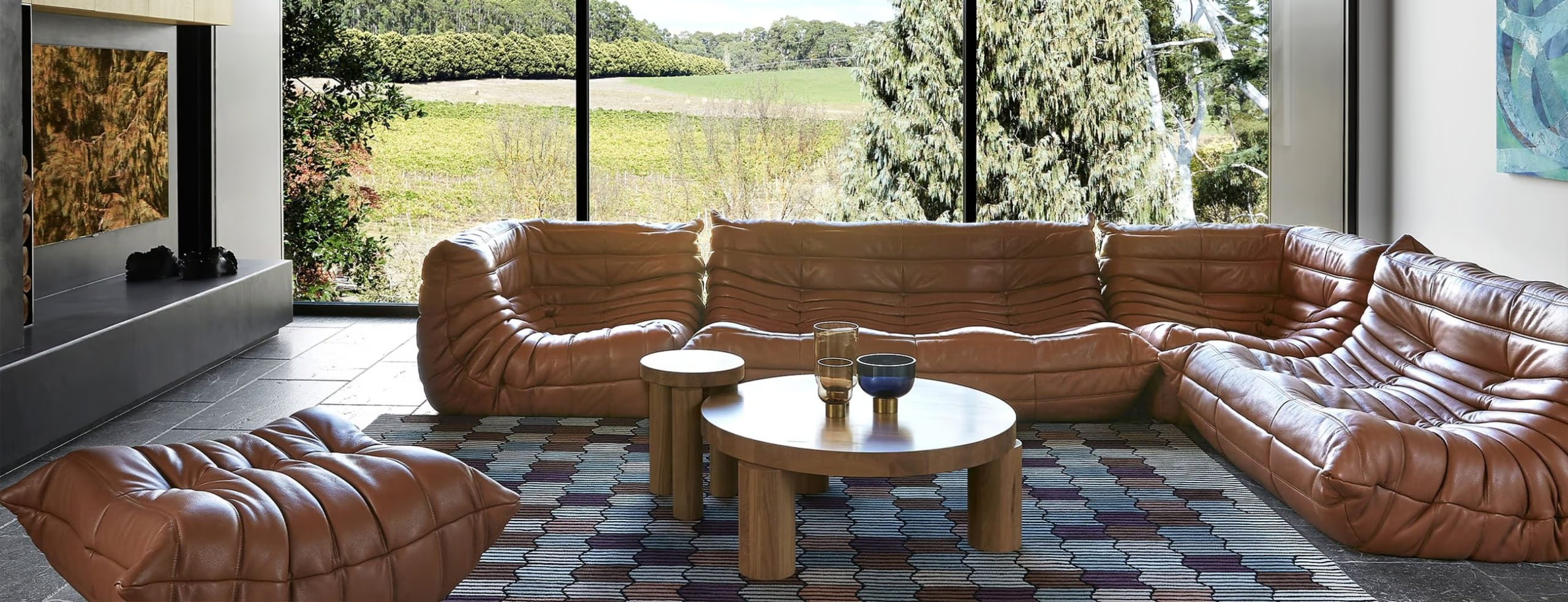
Replica Furniture Buying Guide
This guide shows what to look for in high-quality replica furniture (also called reproduction or designer-inspired pieces) so you can buy confidently and avoid squeaks, sagging, peeling, and other letdowns.
Buying replica furniture should not feel like a coin flip.
The term “high quality replica” gets used everywhere, but the real difference between a piece that simply photographs well and a piece that still looks and feels right years later is surprisingly specific: frame construction, suspension, cushion build, upholstery specs, finishing discipline, and the policies behind the product.
This guide breaks down exactly what to look for when buying high quality replica furniture (also called reproduction or designer-inspired furniture). You’ll learn how to spot durability, comfort, and craftsmanship signals before you buy, and how to avoid the common traps that lead to squeaks, sagging, peeling, and “it looked better online” regret.
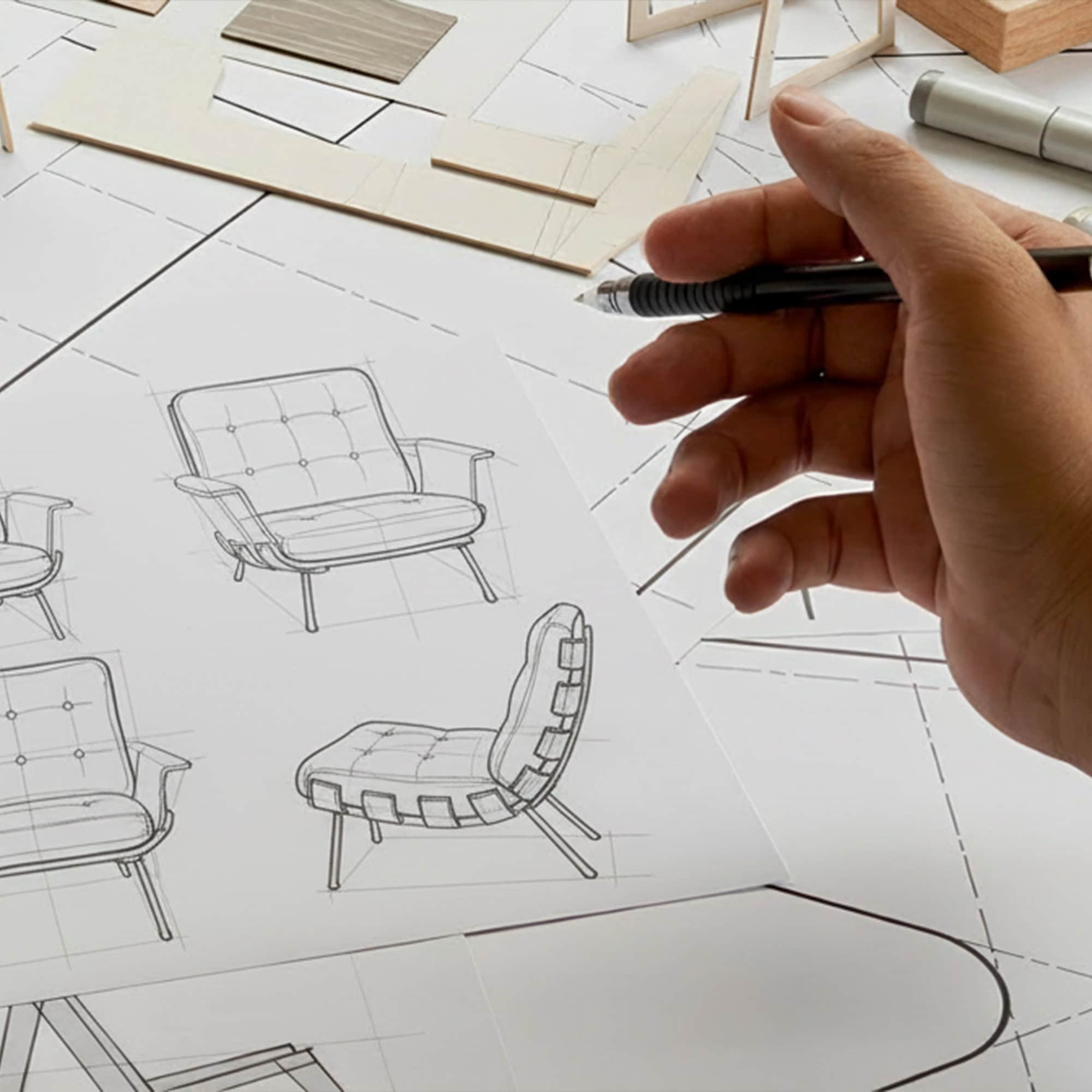
What High-Quality Replica Furniture Really Means
“Replica furniture” is a broad category. At one end, you have low-cost lookalikes made to mimic a silhouette. At the other, you have carefully built reproductions where comfort, structure, and finishing are treated as non-negotiables.
A high quality replica (or reproduction) is defined less by what it resembles and more by what it delivers in real life:
- Structurally reliable
- Comfortable for repeated long-term use
- Finished cleanly
- Backed by policies that prove confidence

Replica vs Reproduction vs Designer-Inspired
Online, these terms are often used interchangeably:
- Replica is the most common consumer term, but it can imply anything from cheap to premium.
- Reproduction is often used to signal a higher standard of build and specification.
- Designer-inspired is frequently used as a cleaner descriptor of the aesthetic direction without implying affiliation.
In this guide, we focus on how to identify high quality regardless of label.
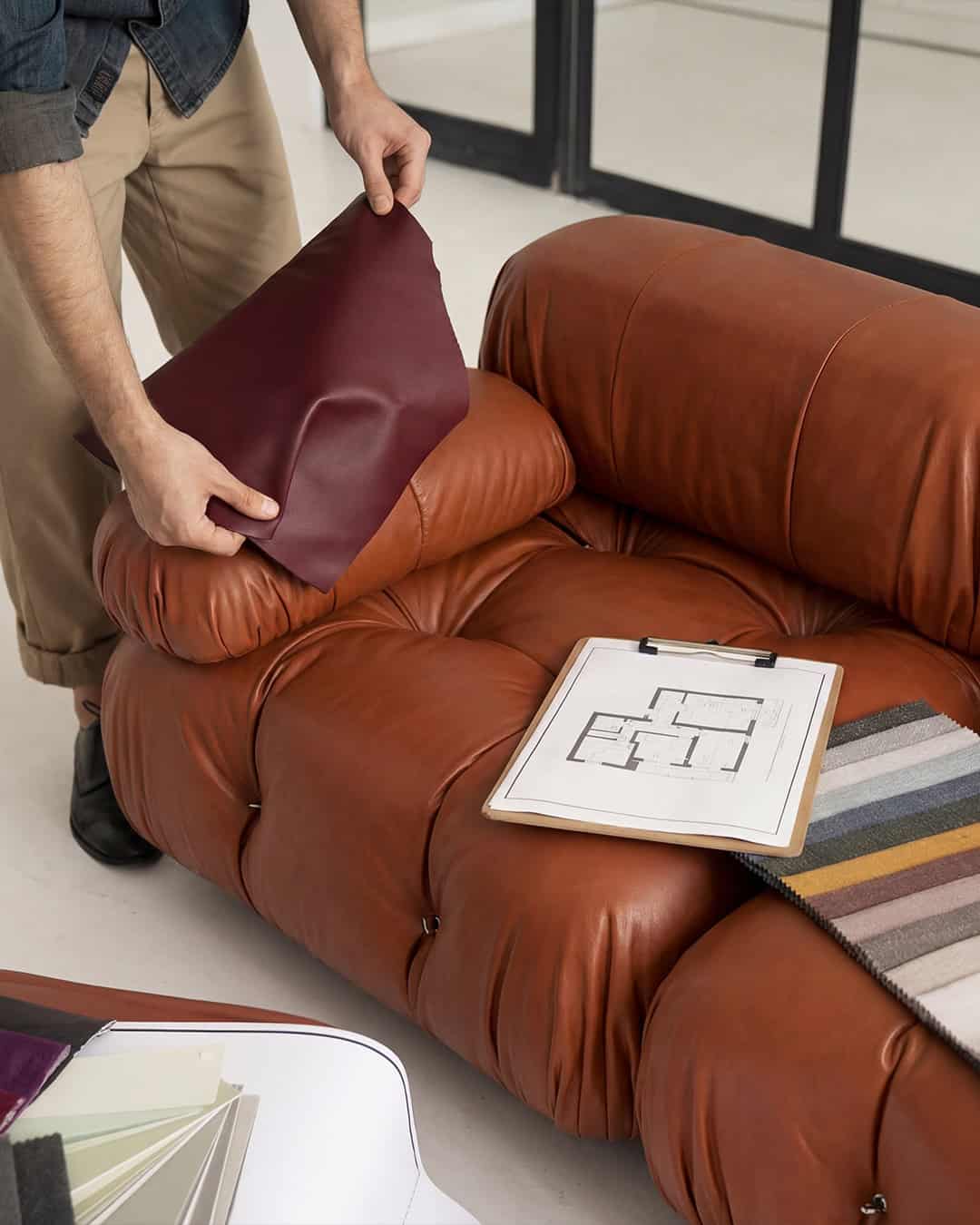
Quick Quality Checklist for Skimmers
Price vs Value: What You’re Paying For
When replica furniture is overpriced, it doesn’t feel like a good deal. When it’s underpriced, it often becomes expensive later through replacements, repairs, or the slow frustration of owning something that never quite works the way it should.
To understand value, it helps to see where the money actually goes. The Sohnne Replica Furniture Buying Guide breaks it down into 7 points:
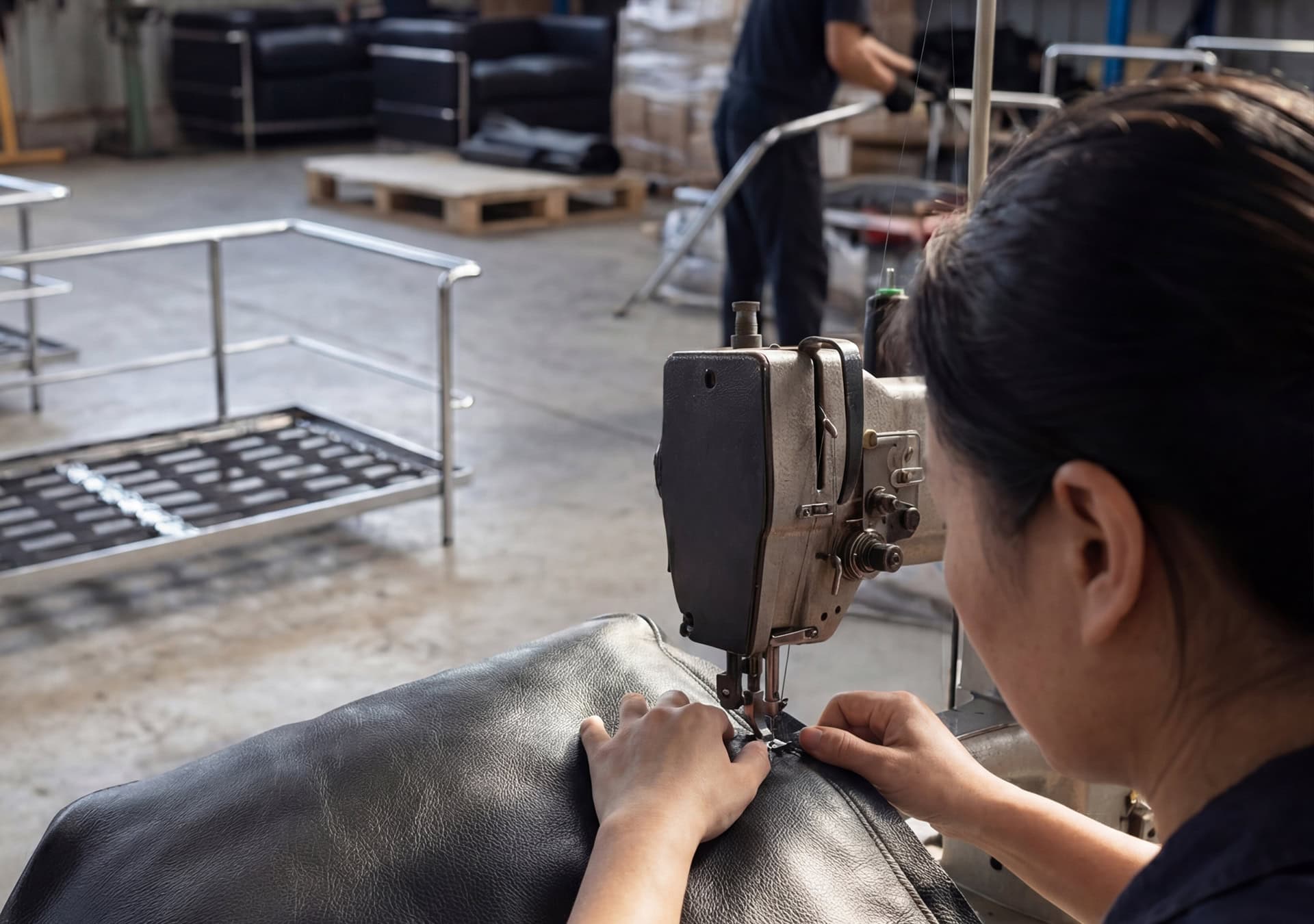
1. Frame materials & reinforcement
A better frame costs more because it uses:
- Stronger load-bearing components where stress is highest (seat rails, corners, joints)
- Reinforcement methods that prevent wobble and loosening
- Better tolerances so the piece sits level and stays that way
If a listing is vague about the frame, that is usually not an accident. Frame quality is one of the hardest things to fake.
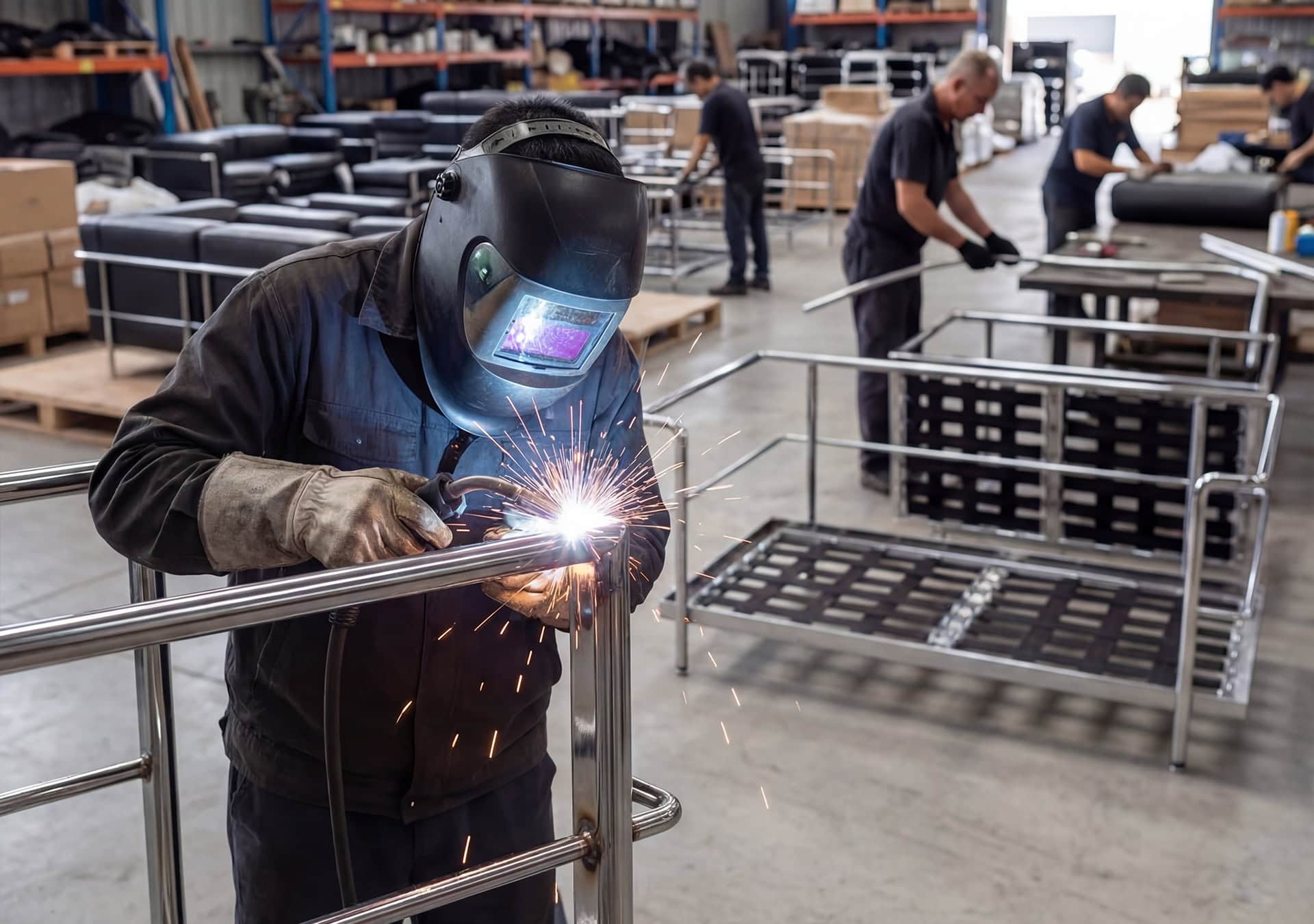
2. Suspension & support engineering
Suspension is the “invisible” part of comfort. Better support systems:
- Distribute weight evenly
- Reduce pressure points
- Prevent the seat from hammocking or dipping early
This is also one of the first corners cut in ultra-cheap replicas because most buyers can’t see it in photos.
3. Cushion build & foam quality
Foam is not all the same. Better cushions generally cost more because they use:
- Denser, more resilient foam that holds its shape longer
- Layering for both comfort and long-term structure
- Better covers, stitching, and internal construction so the cushion holds shape
A sofa that feels amazing on day one can still be a low-quality build if the foam is prone to early compression.
4. Upholstery materials & workmanship
Leather and fabric cost vary wildly, but so does the workmanship:
- Clean stitching and consistent tension take time
- Pattern alignment and seam placement take care
- Upholstery that sits tight without puckering is a skill, not a default
In replica furniture, upholstery is often where you see the biggest gap between “looks similar” and “built well.”
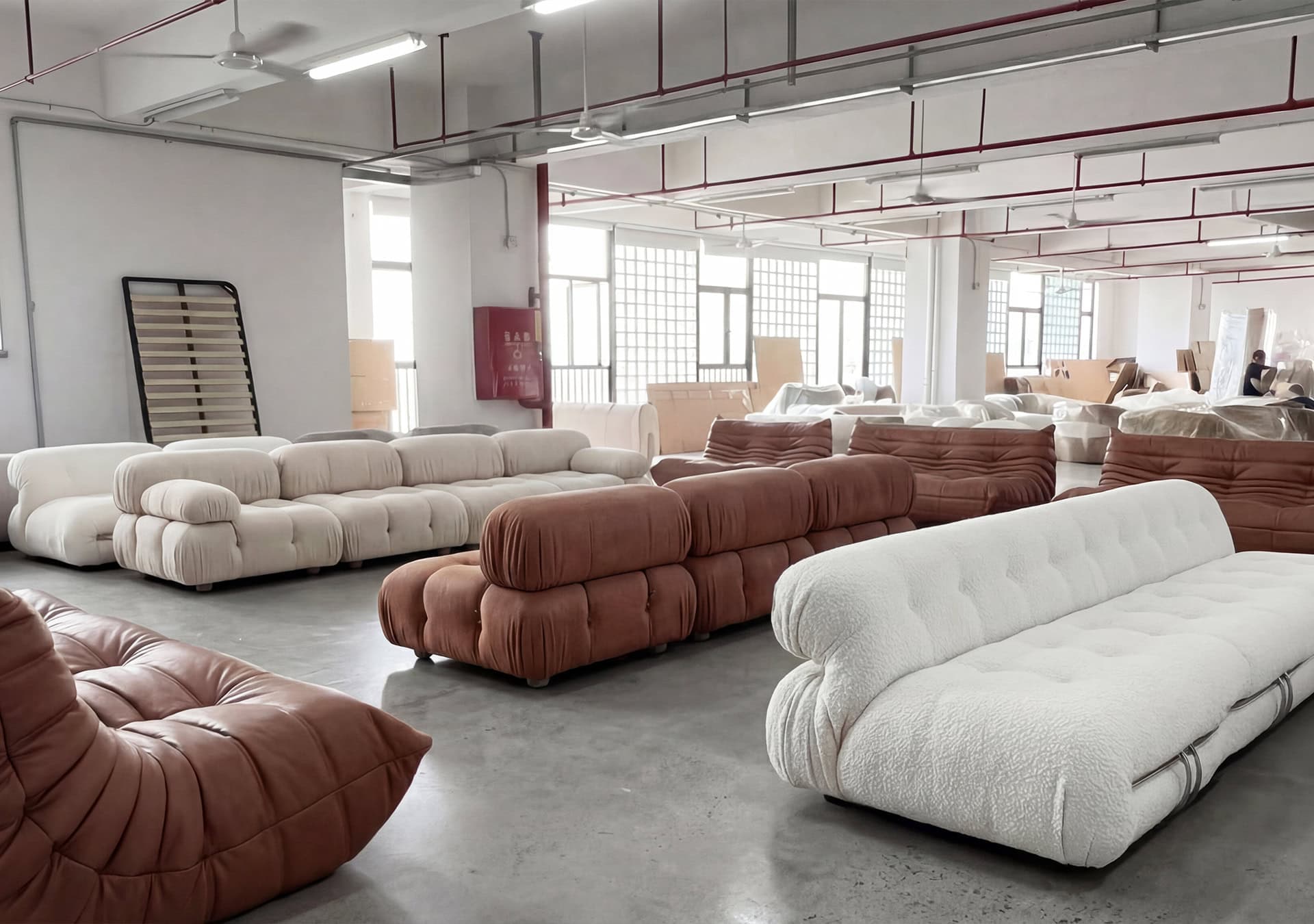
5. Finishing & Coating Systems
Finishing affects how a piece ages. Better finishing often includes:
- More consistent sanding and preparation
- Even stain or coating application
- Durable clear coats that resist cloudiness and micro-scratches
- Better metal coating systems (when applicable)

6. Packaging, Shipping & Damage Prevention
Safe delivery is part of quality. Strong packaging adds cost, but it prevents:
- Corner dents and edge chips
- Upholstery scuffs and pressure marks
- Hardware impacts and alignment issues
When brands cut packaging, they often shift the cost to the customer through stressful claims processes.

7. Customer support, returns, and warranty
Policies are not “extras.” They are signals:
- A clear warranty often indicates the seller expects normal use without failure
- A reasonable return policy suggests confidence in what arrives
- Responsive support reduces the risk of buying sight unseen
Where Your Money Goes (and Why Cheap Replicas Fail)
The Quality Framework
What Actually Determines Replica Furniture Quality
Once you understand where the money goes, the next step is learning how to evaluate quality. Two chairs may look identical in photos, yet one may last twenty years while the other begins to sag or peel within two.
“The difference usually comes down to materials, construction techniques, and manufacturing standards. High-quality reproductions preserve the proportions, structural engineering, and comfort of the original design.”
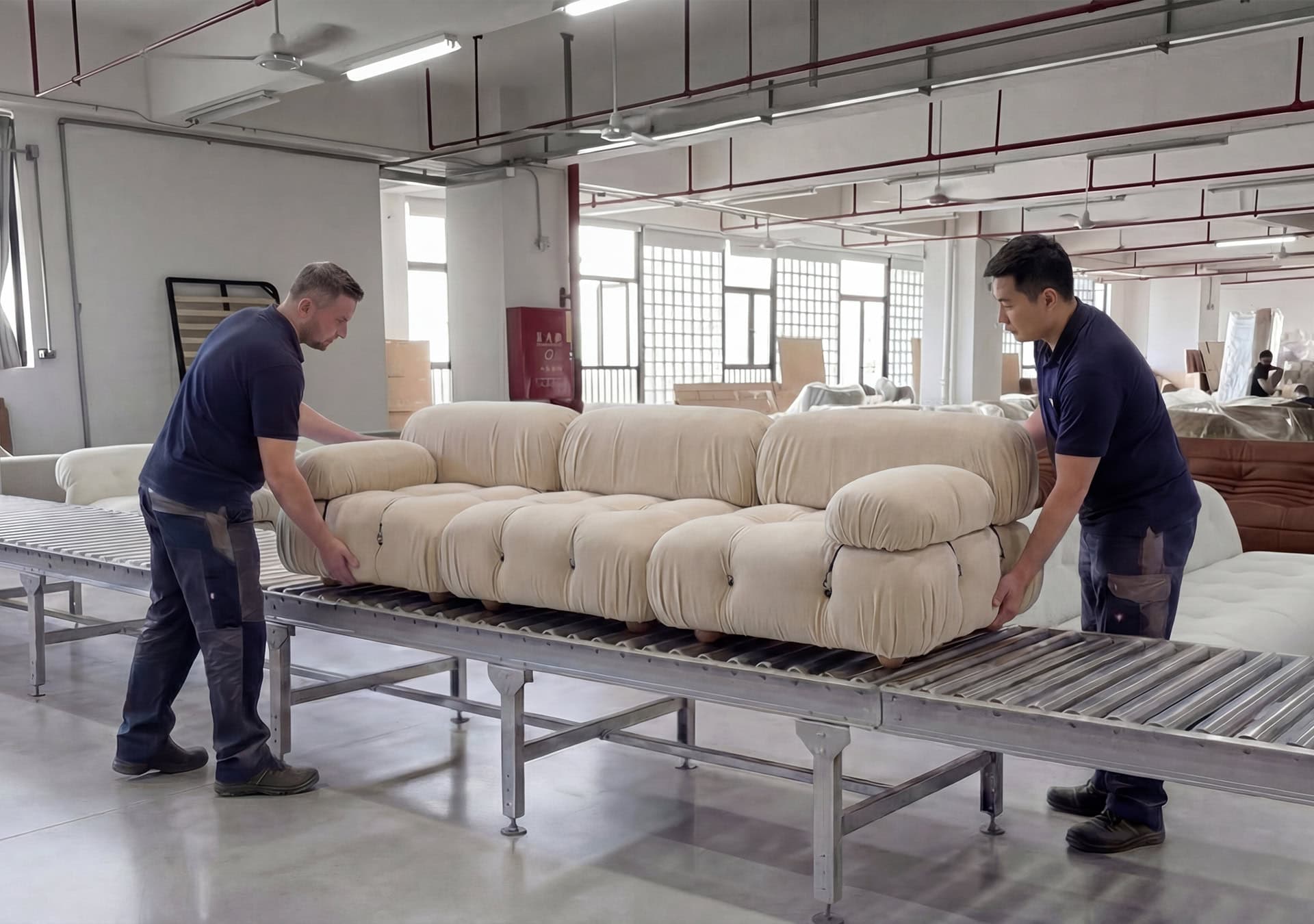
Six Core Principles
01
Materials: The Foundation of Longevity
Materials are the most immediate indicator of furniture quality. They determine durability, comfort, and how well a piece ages over time. Many lower-cost replicas rely on materials such as bonded leather, thin plywood, or low-density foam. These materials may look acceptable initially but tend to crack, sag, or lose shape after relatively short use. Higher-quality furniture uses materials designed for long-term performance — solid wood, full-grain leather, and high-density foam that maintains shape and comfort even after years of daily use.
02
Construction: The Invisible Details That Matter
While materials form the foundation, construction determines how well those materials perform together. Well-crafted furniture uses engineered joinery, reinforced frames, and carefully balanced weight distribution. These structural details prevent loosening, wobbling, or structural fatigue over time. Lower-quality furniture often relies heavily on staples, thin hardware, or simplified assembly methods. These shortcuts may reduce cost but frequently lead to premature wear or instability.
03
Accuracy of Proportions & Dimensions
One of the most overlooked factors in reproduction furniture is dimensional accuracy. Iconic designs are carefully engineered to achieve a specific balance between ergonomics, aesthetics, and comfort. Even small deviations in seat height, angle, or proportions can change the experience of using the piece. Many budget reproductions alter dimensions slightly to reduce manufacturing costs or simplify production. Unfortunately, these changes often affect comfort and visual balance.
04
Finishing & Detailing
The finishing stage is where craftsmanship becomes visible. Details such as edge finishing, stitching consistency, and surface treatments determine whether furniture feels refined or mass-produced. Precision finishing ensures that surfaces are smooth, edges are properly shaped, and materials meet cleanly without gaps or rough transitions. These details not only improve appearance but also prevent long-term wear.
05
Why Thoughtful Reproductions Exist
Original designer furniture can be extraordinarily expensive due to licensing, branding, retail markups, and collector demand. High-quality reproductions exist to make timeless design accessible without sacrificing the experience that made those pieces famous. Instead of paying primarily for brand licensing or gallery markups, buyers can invest in materials, craftsmanship, and structural quality. The goal is not to replace original collectibles, but to bring enduring design into everyday living spaces.
06
Final Thoughts
Buying furniture is ultimately about balancing design, comfort, durability, and value. By understanding how materials, construction, and manufacturing influence quality, buyers can make more informed decisions and avoid the common pitfalls of the replica furniture market. Well-made reproductions can provide decades of enjoyment while preserving the timeless aesthetic that made these designs iconic in the first place.
Chosen by Businesses That Value Quality
Explore the spaces that trust Sohnne. Hover any brand logo to see the exact pieces they purchased.
Buying confidently — verify before you commit
Sohnne is a US-registered company since 2018, BBB Accredited with an A+ rating, verified as legitimate by ScamAdviser, with 200,000+ customers across Trustpilot, Trustindex, and direct reviews. Read the full breakdown — independent third-party citations, factory transparency, return + warranty policies, and customer photo proof.
Read Legitimacy BreakdownReady to Begin Your Collection?
Browse the collection and select the pieces you love.
Frequently Asked Questions
Our team is here to help everyday, 24/7
Have a question? We’re just a message away, call us at +1 (833) 900-0017, email us, or start a live chat with our support team.
See All FAQ’s