Lounge Chair Upholstery for Allergy Sufferers: 2026 Guide

Sohnne Design Studio
August 13, 2026
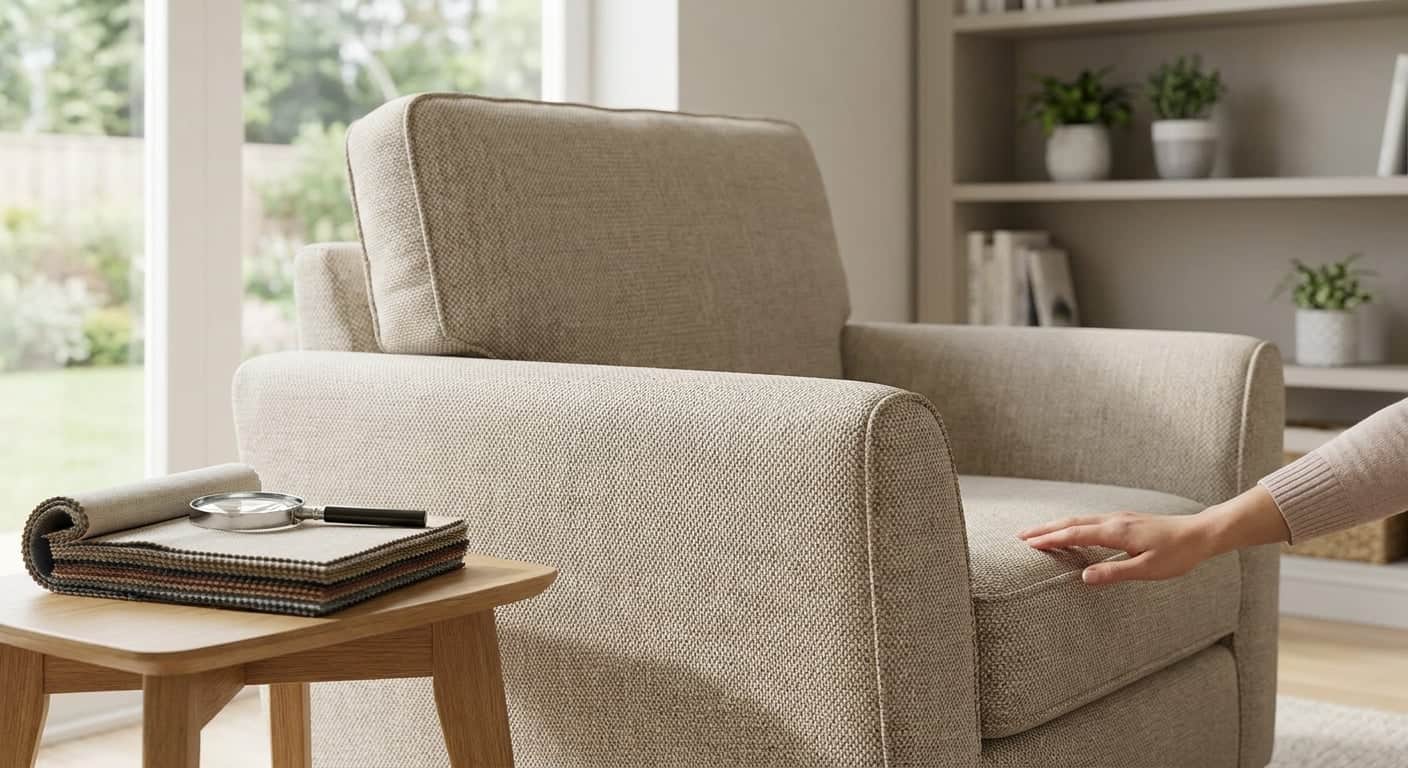
A lounge chair upholstery for allergy sufferers comes down to three variables: surface texture, fill material, and how easily the cover comes off for washing — get those three right and dust mites, dander, and pollen have nowhere to hide.
TL;DR- Tightly woven leather or vegan leather is the safest lounge chair for allergy sufferers in 2026 — buy it, skip boucle and wool blends.
- Removable, machine-washable cushion covers cut dust mite buildup fast; sealed foam-only cushions without covers are a hold.
- Down-filled cushions trap dander and dust — foam-fill lounge chairs win for allergy-prone households.
- HEPA-filter vacuuming weekly keeps allergen counts down; high-pile bouclé needs it twice as often.
Why this matters
Dust mites and pet dander don't just sit on a fabric surface — they burrow into loose weaves and stay there through normal vacuuming. A lounge chair with the wrong upholstery becomes a reservoir that re-triggers symptoms every time someone sits down, no matter how clean the rest of the room is.
Most buyers pick upholstery on color and texture alone, then wonder why sneezing spikes near the reading corner in 2026. The fix isn't a special "hypoallergenic" tag — it's picking a surface that doesn't hold particles in the first place and can be cleaned without a professional.
What you'll need
- A HEPA-filter vacuum with an upholstery attachment
- Fabric swatches or samples before committing to a full chair
- A mild, fragrance-free upholstery cleaner suited to the material (leather cleaner for leather, water-based extractor solution for fabric)
- A lint roller for quick dander pickup between deep cleans
- 15-30 minutes for the initial fabric-vs-leather decision, plus an ongoing weekly maintenance routine
The steps
1. Rule out high-pile and novelty textures first
High-pile fabrics like bouclé, chenille, and shag-style weaves trap dander and dust down at the base of the fibers where a standard vacuum head can't reach. This matters because the texture that photographs well in 2026 is often the texture that holds the most allergen load.
Run a hand across any sample: if fibers grab at your fingers or show visible loops, treat it as a high-risk pick for allergy-prone rooms. Skip anything with pile depth you can visibly compress with a finger.
Common mistake: choosing a textured fabric because it hides stains, without checking whether it also hides allergens.
2. Choose leather or performance vegan leather when possible
Leather and top-grain vegan leather don't have fibers for dust mites to colonize — a damp cloth wipe removes dander in seconds instead of requiring an extraction machine. For anyone weighing leather against fabric upholstery for allergies specifically, leather wins on cleanability every time.
The tradeoff is feel and temperature — leather runs cooler in winter and can feel less "soft" than fabric. For allergy sufferers, that tradeoff is worth it: Buy leather or vegan leather when symptoms are moderate to severe.
Common mistake: assuming all "leather-look" vinyl is equal — cheaper vinyls off-gas more and can irritate sensitive airways in the first weeks after delivery.
3. If fabric is non-negotiable, pick tight weaves over open ones
A tightly woven cotton, linen blend, or performance polyester holds far fewer particles than an open-weave or nubby fabric because there's less surface area for dust to settle into. Hold a swatch up to a light source — if you can see light passing through gaps, the weave is too open for allergy-sensitive households.
Denser microfiber and performance fabrics rated for stain resistance also tend to resist allergen penetration, since the same tight fiber structure that blocks liquid also blocks dust settling in. Consider tightly woven performance fabric as the fallback when leather isn't the aesthetic you want.
4. Confirm the cushion covers are removable and washable
A fixed, non-removable cushion cover means every allergen that lands on it stays there until the whole chair goes in for professional cleaning. Removable covers that machine-wash on a warm cycle let you reset the surface every one to two weeks without touching the frame or foam.
Check the care label before buying, not after — some designer replica pieces use dry-clean-only covers, which most households simply won't do often enough to matter. Details on cleaning and maintaining leather furniture apply directly here if you land on a leather cover option.
Common mistake: buying a chair with a beautiful zip-off cover, then never actually washing it because the zipper is hidden under a welt seam.
5. Choose foam fill over down or feather fill
Down and feather-blend cushions are one of the most overlooked allergen sources in a living room — feathers carry dust and dander from the moment they're processed, and no amount of surface cleaning reaches inside a sealed cushion. High-density foam fill, by contrast, doesn't harbor the same organic material and holds its shape longer besides.
Ask directly about fill material before ordering; "plush" or "pillow-top" marketing language often signals down or a down-blend. Buy foam-fill cushions; skip down-fill entirely for allergy-sensitive rooms.
6. Check for low-VOC foam and finishes
New upholstery foam and adhesives off-gas volatile organic compounds for the first several weeks after unboxing, and that off-gassing can aggravate respiratory sensitivity even when dust and dander aren't the trigger. Ask whether the foam is CertiPUR-US certified or equivalent, and air the chair in a ventilated room for 48-72 hours before regular use.
This step gets skipped constantly because it's invisible — there's no texture or color to judge it by, only documentation.
7. Build a weekly maintenance routine before the chair even arrives
Upholstery upkeep is what actually keeps allergen counts down over time, not the fabric choice alone. Vacuum crevices and seams weekly with a HEPA attachment, wipe leather down every 7-10 days with a dry microfiber cloth, and wash removable covers on a warm cycle every 10-14 days during high-pollen months.
Buy the maintenance habit along with the chair — a perfect fabric choice with zero upkeep still accumulates allergens within a season.
“A perfect fabric choice with zero upkeep still accumulates allergens within a season.”
Troubleshooting
- Sneezing spikes right after delivery, not months later — this is usually off-gassing, not dust. Air the chair in a ventilated room for 48-72 hours before regular use.
- Dander builds up fast even with weekly vacuuming — the pile is likely too deep for your vacuum's suction to reach the base. Switch to a leather or tight-weave option per step 2 or 3.
- Cushion covers won't come off cleanly — check for a hidden zipper under a welt seam or piping strip before assuming the cover is fixed.
- Leather feels sticky or tacky after cleaning — you're likely using a fabric cleaner on leather. Switch to a pH-balanced leather cleaner and re-condition afterward.
- Static cling attracts more dust between cleanings — common with synthetic microfiber in dry climates. A fabric-safe anti-static spray between washes reduces this.
- Allergy symptoms persist despite doing everything right — check the room's humidity level; dust mites thrive above 50% relative humidity regardless of upholstery choice, so a dehumidifier may matter more than the chair itself.
Shop wipeable lounge chair upholstery
Browse leather and performance fabric lounge chairs built for easy cleaning.
Shop lounge chairsTools and resources
- HEPA-filter vacuum with upholstery attachment
- pH-balanced leather cleaner or water-based fabric extractor
- Guide: cleaning and maintaining leather replica furniture
- Guide: leather vs. fabric replica sofas
- Fragrance-free upholstery spot cleaner for weekly touch-ups
What to do next
Once the upholstery decision is settled, verify the build quality behind the fabric — foam density and frame construction affect how long a low-allergen finish actually performs. The guide to verifying quality before buying replica furniture covers what to check before checkout in 2026.
FAQ
What’s the best lounge chair upholstery for allergy sufferers?
Leather or performance vegan leather is the best lounge chair upholstery for allergy sufferers because it doesn’t have fibers for dust mites to colonize. Tightly woven fabric with a removable, washable cover is the best fallback if leather isn’t the look you want.
Is fabric or leather better for allergies?
Leather is better for allergies because dust and dander wipe off the surface instead of settling into fibers. Fabric can still work if it’s tightly woven with a machine-washable cover you actually wash every 10-14 days.
Does bouclé trigger allergies?
Bouclé’s looped, high-pile texture traps dust and dander deeper than a standard vacuum head can reach, making it one of the higher-risk fabrics for allergy-sensitive households. A tighter weave or leather surface is the safer swap.
Are down-filled cushions bad for allergies?
Yes, down and feather-blend cushions are a common allergen source because feathers carry dust and dander from processing and stay sealed inside the cushion where cleaning can’t reach. Foam-fill cushions are the better choice for allergy-prone rooms.
How often should you clean a lounge chair for allergies?
Vacuum crevices and seams weekly with a HEPA attachment, and wash removable cushion covers every 10-14 days during high-pollen months. Leather surfaces only need a dry microfiber wipe every 7-10 days.
Does new furniture off-gassing affect allergies?
New upholstery foam and adhesives release volatile organic compounds for several weeks after unboxing, which can aggravate respiratory sensitivity separate from dust or dander. Airing the chair in a ventilated room for 48-72 hours before regular use reduces this.
Is microfiber good for allergies?
Tightly woven microfiber performs reasonably well because its dense fiber structure limits how much dust settles into the surface, similar to why it resists liquid stains. It’s not as easy to clean as leather but ranks above open-weave fabrics.
Does humidity affect allergy symptoms from furniture?
Yes, dust mites thrive in relative humidity above 50% regardless of upholstery choice, so a dehumidifier in the room can matter as much as the fabric itself. Pair humidity control with the right upholstery for the best results.
One last thing
The upholstery choice gets all the attention, but the fill material inside the cushion is the part most buyers never ask about in 2026 — and it's often the bigger allergen source of the two.
Related guides
Stay connected with us!
Keep in touch with what’s new and next. Subscribe for weekly insights, product launches, and community news!