How to Clean Replica Leather Furniture (2026 Guide)

Sohnne Design Studio
July 22, 2026
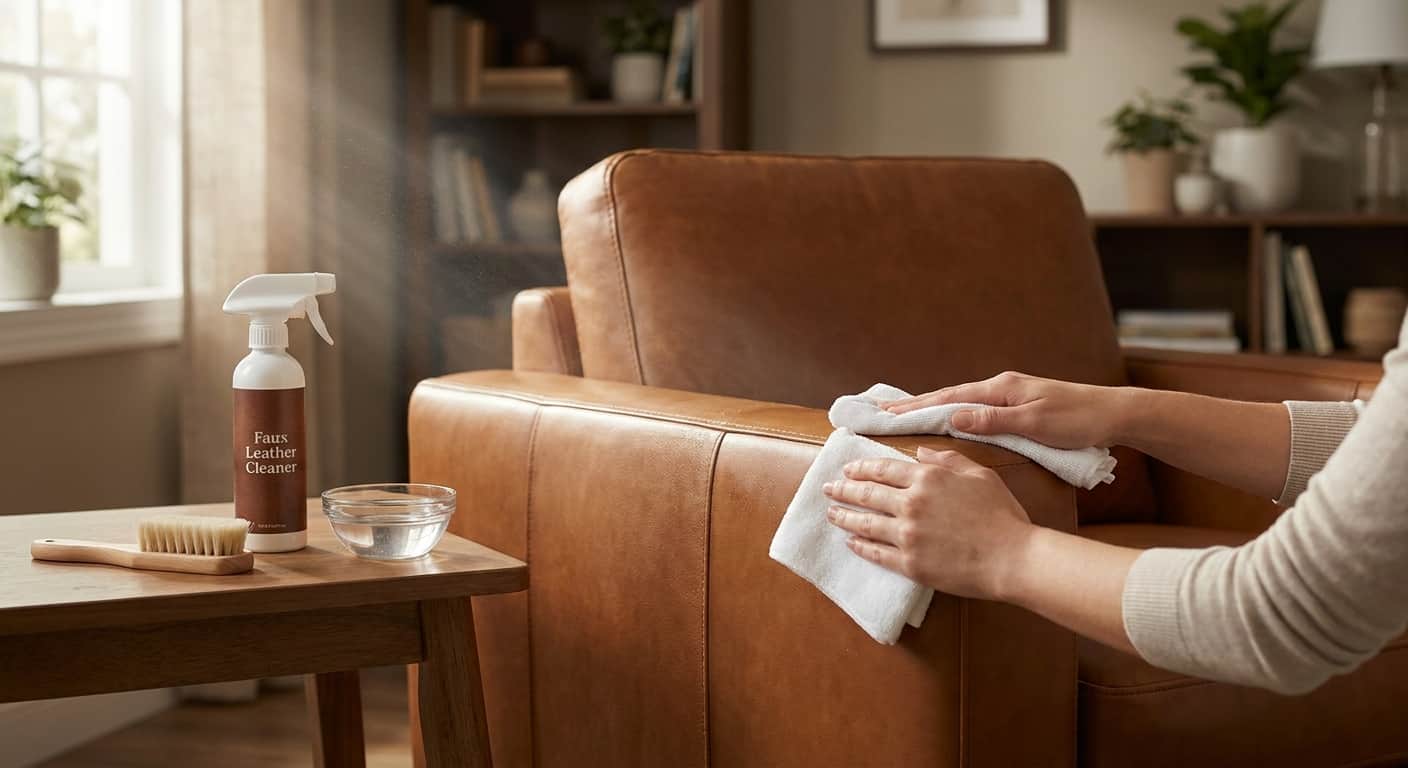
Replica leather furniture holds up for decades when you clean it right and falls apart in five years when you don't — the difference is a 10-minute routine, not a mystery.
TL;DR- Wipe replica leather furniture weekly with a dry microfiber cloth and condition it every 3-6 months to prevent cracking.
- Never use baby wipes, dish soap, or alcohol-based cleaners on leather or PU replica upholstery — they strip the finish.
- A quality leather conditioner runs $15-30 and extends the life of a replica sofa by years, not months.
- Sohnne recommends spot-testing any product on a hidden panel before treating the full piece in 2026.
Why this matters
Replica leather furniture — whether it's full-grain, top-grain, or a PU alternative — dries out faster than most owners expect. Direct sun, forced-air heating, and body oils all pull moisture from the surface, and once the finish starts to crack, there's no undoing it.
The good news: cleaning replica leather is simple once you know what to avoid. Most damage comes from over-cleaning with the wrong products, not from normal use. If you're still deciding between materials, leather vs fabric replica sofas breaks down which one fits your household before you commit.
What you'll need
- A dry microfiber cloth (not paper towels — they leave lint and micro-scratches)
- A pH-neutral leather cleaner, or a mix of distilled water and a few drops of mild soap
- A leather conditioner formulated for the finish you own (full-grain, top-grain, or PU/faux)
- A soft-bristle brush for seams and stitching
- A vacuum with an upholstery attachment
- 15-30 minutes, done monthly for cleaning and every 3-6 months for conditioning
If you're shopping for a piece and want to confirm the leather grade before you buy, verifying quality before buying replica furniture covers what separates a durable hide from one that'll peel within a year.
The steps
1. Vacuum first, every time
Dust and grit act like sandpaper against leather fibers every time someone sits down. Run the upholstery attachment along seams, tufts, and crevices before any liquid touches the surface — this takes under 5 minutes and prevents the single most common cause of surface scuffing.
Common mistake: skipping this step and going straight to cleaner, which just grinds trapped grit deeper into the grain.
2. Wipe down with a dry microfiber cloth weekly
A quick weekly wipe removes body oils and dust before they build up in the finish. Use light, circular motions and cover the full piece, not just the seat cushions.
This single habit does more to extend the life of replica leather furniture than any conditioner — it's prevention, not repair.
3. Spot-clean spills within the hour
Blot — never rub — any spill with a dry cloth immediately. For anything beyond water (coffee, wine, oil), follow with a barely-damp cloth and a pH-neutral cleaner, working from the outside of the stain inward so it doesn't spread.
Expected outcome: a spill treated within an hour on 2026-grade replica leather typically lifts completely with no ring or discoloration. Left overnight, most stains set permanently.
Common mistake: using dish soap or an all-purpose household cleaner. Both strip the protective topcoat and leave the surface dull or tacky within weeks.
4. Deep clean once a month
Mix a few drops of mild, pH-neutral soap into distilled water. Dampen (don't soak) a microfiber cloth and wipe the full surface in sections, drying each section immediately with a second dry cloth before moving on.
Avoid saturating seams and stitching — trapped moisture there is what causes mildew and thread rot over time.
5. Condition every 3-6 months
Conditioning replaces the natural oils that daily use, sun exposure, and heating pull out of leather. Apply a thin, even coat with a soft cloth, let it absorb for 10-15 minutes, then buff off any excess with a dry cloth.
Skip this step and full-grain leather will start showing hairline cracks within 18-24 months — conditioning is the one maintenance task that actually prevents structural damage, not just cosmetic wear.
Common mistake: over-conditioning. More than every 3 months on average use leaves a greasy residue that attracts dust faster.
6. Rotate cushions and keep it out of direct sun
UV exposure fades and dries leather faster than almost anything else. Rotating seat cushions every few weeks evens out wear, and keeping the piece even 3 feet from a south-facing window cuts UV exposure significantly.
If you're arranging a room around a leather Eames Lounge Chair replica, placement matters as much as cleaning — check the Eames Lounge Chair replica wood base vs aluminum base guide for finish-specific care notes before you settle on final placement.
7. Address pet scratches immediately
Light scratches on PU or top-grain replica leather often buff out with a leather-safe filler and a soft cloth, worked in small circular motions. Deeper claw marks usually need a professional repair kit matched to your finish color.
Households with cats should build scratch prevention into the routine from day one — see pet-friendly sofas for cat owners for material choices that resist this before it happens.
Troubleshooting
- Leather feels stiff or is starting to crack: You've gone too long between conditioning cycles. Apply conditioner immediately, then set a recurring reminder every 3 months going forward.
- Cleaner left a white haze: The product had too much alcohol or ammonia. Wipe with a barely-damp cloth to remove residue, then switch to a pH-neutral formula.
- Ink or dye transfer from dark denim: Blot with a dry cloth first — rubbing spreads it. A leather-specific stain remover applied in small dabs usually lifts it within one application.
- Musty smell after cleaning: Moisture got trapped in seams. Air out the room, run a fan nearby for a few hours, and go lighter on liquid next time.
- Color is fading unevenly: Sun exposure is uneven across the piece. Rotate cushions and consider a UV-filtering window film if the furniture sits near a window.
- Surface feels sticky months after conditioning: Too much product was applied and not buffed off. Wipe down with a dry cloth repeatedly until the tackiness is gone, then use less next application.
Tools and resources
- Distilled water (tap water minerals can leave spots on leather)
- pH-neutral leather cleaner
- Leather conditioner matched to your specific finish
- Microfiber cloths (at least two — one for cleaning, one for drying)
- Soft-bristle brush for stitched seams
- Sohnne's home page for current replica leather sofa and lounge chair options if your current piece is past saving
What to do next
Once the cleaning routine is set, the next question is longevity — what actually determines whether a replica leather sofa lasts 5 years or 15. How to choose a replica sofa that lasts covers frame construction, foam density, and leather grade side by side, so you know what you're maintaining before the next purchase.
FAQ
How often should you clean replica leather furniture?
Wipe replica leather furniture weekly with a dry microfiber cloth and do a full deep clean once a month. Condition it every 3-6 months to prevent cracking and keep the surface supple.
Can you use baby wipes on replica leather furniture?
No — most baby wipes contain alcohol and fragrance oils that strip leather’s protective finish. Use a pH-neutral cleaner and distilled water instead, especially on PU or top-grain replica leather.
What’s the best conditioner for replica leather sofas?
Match the conditioner to your leather type — full-grain, top-grain, and PU each need a different formula. A quality bottle costs $15-30 in 2026 and lasts through multiple applications across a full sofa.
How do you get pet scratches out of replica leather?
Light scratches on PU or top-grain replica leather often buff out with a leather-safe filler worked in small circles. Deeper claw marks typically need a color-matched professional repair kit.
Does direct sunlight damage replica leather furniture?
Yes — UV exposure dries and fades leather faster than almost any other factor. Keep replica leather pieces at least a few feet from south-facing windows and rotate cushions every few weeks.
Is replica leather furniture harder to maintain than fabric?
Not really — leather resists spills better than fabric but needs periodic conditioning that fabric doesn’t. Fabric needs more frequent vacuuming and occasional deep shampooing instead.
What cleaner should you never use on replica leather?
Skip dish soap, all-purpose household cleaners, and anything with alcohol or ammonia. These strip the protective topcoat and leave the surface dull, sticky, or prone to cracking within weeks.
How long does replica leather furniture last with proper care?
Well-maintained replica leather furniture routinely lasts 10-15 years. Skipping conditioning cuts that timeline significantly, with cracking often starting within 18-24 months of neglect.
One last thing
The piece most owners forget to condition is the back of the sofa — the side facing the wall. It gets zero airflow and traps more humidity than the seat, which makes it the first spot where mildew or stiffness actually starts. Flip your routine: condition the back panel first, then move to the seat.
Related guides
- Leather vs fabric replica sofas: how to choose
- Verify quality before buying replica furniture
- Eames Lounge Chair replica: wood base vs aluminum base
- Best pet-friendly sofas for cat owners
- How to choose a replica sofa that lasts