How long does a paper lantern lamp last?

Sohnne Design Studio
October 20, 2026
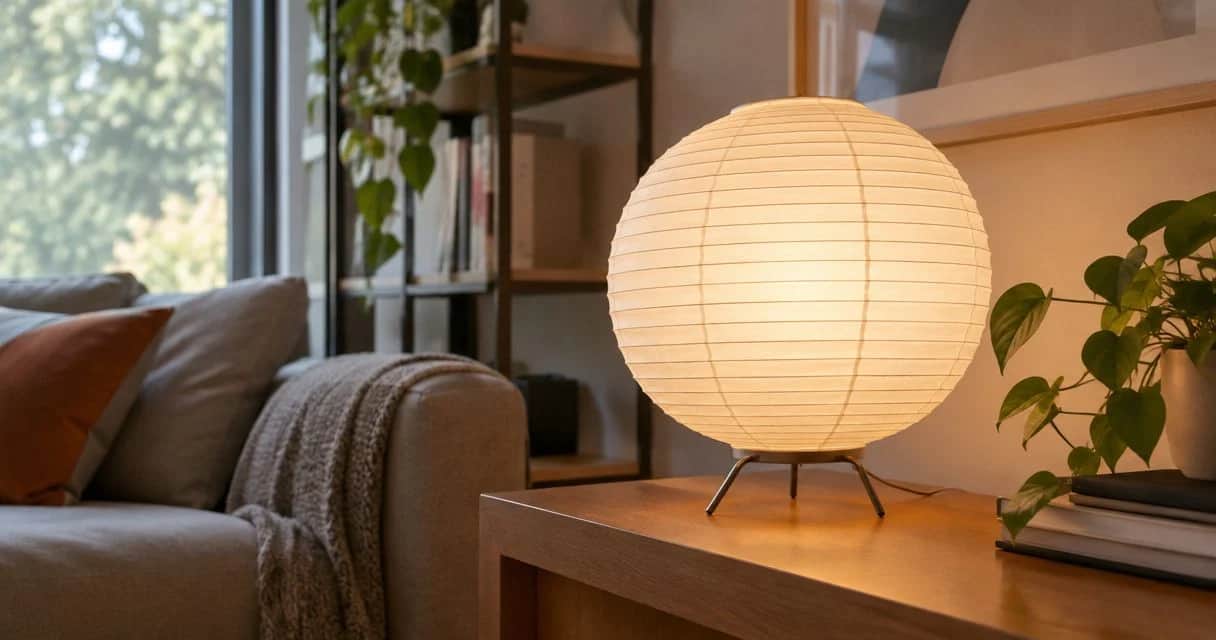
A paper lantern lamp has no single fixed lifespan: the paper shade, bulb, and electrical fitting wear differently, so condition matters more than age. In 2026, the practical rule is to keep an intact, correctly assembled lamp in service and replace damaged parts according to its manufacturer’s instructions. A bulb’s rated life does not tell you how long the paper shade will last.
TL;DR- How long does a paper lamp last? Judge the shade, bulb, and fitting separately—not by one replacement date.
- Replace torn, scorched, or misshapen paper shades; stop using lamps with damaged electrical parts.
- Use only a bulb type and wattage permitted by the fixture’s instructions.
- For Sohnne lighting shoppers, material care and replacement-part compatibility matter more than an unsupported lifespan claim.
Why this matters
A paper shade can look tired while its bulb still works. The reverse is equally possible: a failed bulb does not mean the whole lamp needs replacing. Separate appearance, structural condition, and electrical safety before deciding what to discard.
For a mid-century modern room, Sohnne serves shoppers furnishing with furniture and lighting. Paper lighting brings a particular trade-off to that setting: a softly diffused glow, but a shade that needs gentler handling than a hard surface.
If you are choosing a lamp in 2026, look beyond the silhouette. Read the care instructions, check whether the shade is replaceable, and confirm how to reach the bulb without pulling against the paper.
How long does a paper lantern lamp last?
A paper lantern lamp lasts until deterioration makes its shade unsuitable or its electrical components unsafe—not until a universal anniversary. There is no standard replacement interval that applies to every paper type, frame, bulb, and room.
Start with these 3 components: the paper shade, the light source, and the electrical fitting. Each has a different reason for needing attention.
| Component | What determines continued use | What to do when it deteriorates |
|---|---|---|
| Paper shade | Intact paper, secure attachment, and the intended shape and bulb clearance | Replace a damaged shade with a compatible part |
| Replaceable bulb | Normal operation and compatibility with the fixture | Replace a failed bulb with an approved type |
| Electrical fitting | Sound cord, socket, switch, and connections | Stop using damaged equipment and arrange qualified assessment |
The distinction matters when reading product specifications in 2026. A stated bulb life describes the light source under specified conditions; it is not a durability promise for the paper, frame, cord, or switch.
Do not use a working bulb as proof that the rest of the lamp is safe. Inspect the complete assembly, especially after a move, an impact, or a spill nearby.
Paper shade: judge its condition, not its birthday
A paper shade does not have to look newly unwrapped to remain useful. A slight change in tone is different from a tear, a collapsed section, or a loose attachment. Examine the shade with the light switched off, then check its appearance when illuminated from a normal viewing distance.
Look closely at folds, attachment points, and places where the paper meets its support. These areas deserve attention because handling and assembly put stress on them. If the paper pulls away from its frame or no longer holds its intended shape, replace the shade rather than forcing it back into position.
Paper’s advantage is visual lightness. Its limitation is physical fragility: pressure, sharp objects, and rough cleaning can damage it. Best for: a dry indoor position where the lamp can remain largely undisturbed, subject to its intended use.
Do not treat scorching as ordinary aging. Switch off and disconnect a lamp with burn marks, unusual heat, or a burning smell, and do not resume use until the cause has been addressed.
Bulb: follow the fixture, not a generic lifespan claim
A replaceable bulb can fail while the paper shade remains intact. Before buying another, check the fixture’s instructions for the permitted bulb type, base, wattage, and any restrictions on enclosed use. A bulb that fits the socket is not automatically suitable.
LED bulbs generally release less heat than incandescent bulbs for comparable light output, but they still produce heat. An LED bulb does not remove the need for the fixture’s specified clearance and ventilation. Follow the lamp’s requirements rather than assuming that lower energy use makes every combination acceptable.
Best for: a compatible LED bulb when the lamp’s instructions permit one. The advantage is energy efficiency; the limitation is that bulb shape, dimensions, and operating requirements still need to match the fitting.
If a lamp flickers, do not immediately blame the paper shade or repeatedly swap bulbs. Disconnect it and check the permitted troubleshooting steps. Persistent flickering, a damaged socket, or an unreliable switch calls for qualified assessment.
Electrical fitting: safety decides when to stop
The cord, socket, switch, and support structure have their own condition checks. Paper can remain visually attractive even when an electrical fitting needs attention. Check accessible parts without opening electrical housings or dismantling wiring.
Stop using the lamp if you find exposed conductors, damaged insulation, signs of overheating, or a loose electrical connection. A tape wrap is not a substitute for a proper repair. For hardwired pendants, have a qualified electrician assess electrical faults.
A replaceable shade is useful only when the underlying lamp remains suitable for service. Likewise, replacing a cord does not resolve scorched paper or a distorted frame. Assess the whole lamp before choosing an individual replacement part.
Why paper lamp lifespan varies
The same-looking paper lantern can age differently in different settings. These factors explain why a single lifespan claim is a poor buying guide:
- Moisture exposure: Paper absorbs moisture, which can change its shape and contribute to deterioration. Keep an indoor-only lamp away from splash zones and damp storage.
- Sunlight exposure: Light can discolor and weaken paper over time. Avoid prolonged direct sun when the placement and manufacturer’s guidance allow.
- Heat and bulb compatibility: An unsuitable light source or incorrect assembly can expose the shade to excessive heat. Observe the fixture’s ratings and required clearances.
- Handling: Moving, compressing, or repeatedly collapsing a shade stresses its folds and attachment points. Support the frame rather than gripping the paper.
- Cleaning methods: Water, sprays, and abrasive contact can mark or damage paper. Use only the care method approved for the shade.
- Room activity: A lamp beside a busy doorway, a pet’s route, or frequently moved furniture faces more opportunities for accidental contact.
Choose the position before committing to the form. A generous sculptural shade loses its appeal if you must brush against it every time you open a cupboard or pass the sofa.
How do you help a paper lamp last longer?
Use these 4 checks when installing or repositioning a paper lamp in 2026. They address avoidable damage without promising a particular service life.
- Check instructions. Confirm the lamp’s intended location, assembly method, bulb requirements, and cleaning guidance. Keep those instructions where you can find them when replacing parts.
- Choose placement. Keep the shade clear of routine contact, water, and heat sources. Make sure a floor lamp stands securely and its cord does not create a trip hazard.
- Handle the frame. Switch off, unplug where applicable, and let the bulb cool before working nearby. Lift and support the parts intended to carry the lamp’s weight.
- Inspect condition. Look for tears, loose supports, changed bulb clearance, and damaged electrical parts. Recheck after transport or an accidental knock.
These checks belong together. Careful cleaning cannot compensate for an unsuitable bulb, and a good bulb cannot protect paper from a doorway that repeatedly catches it.
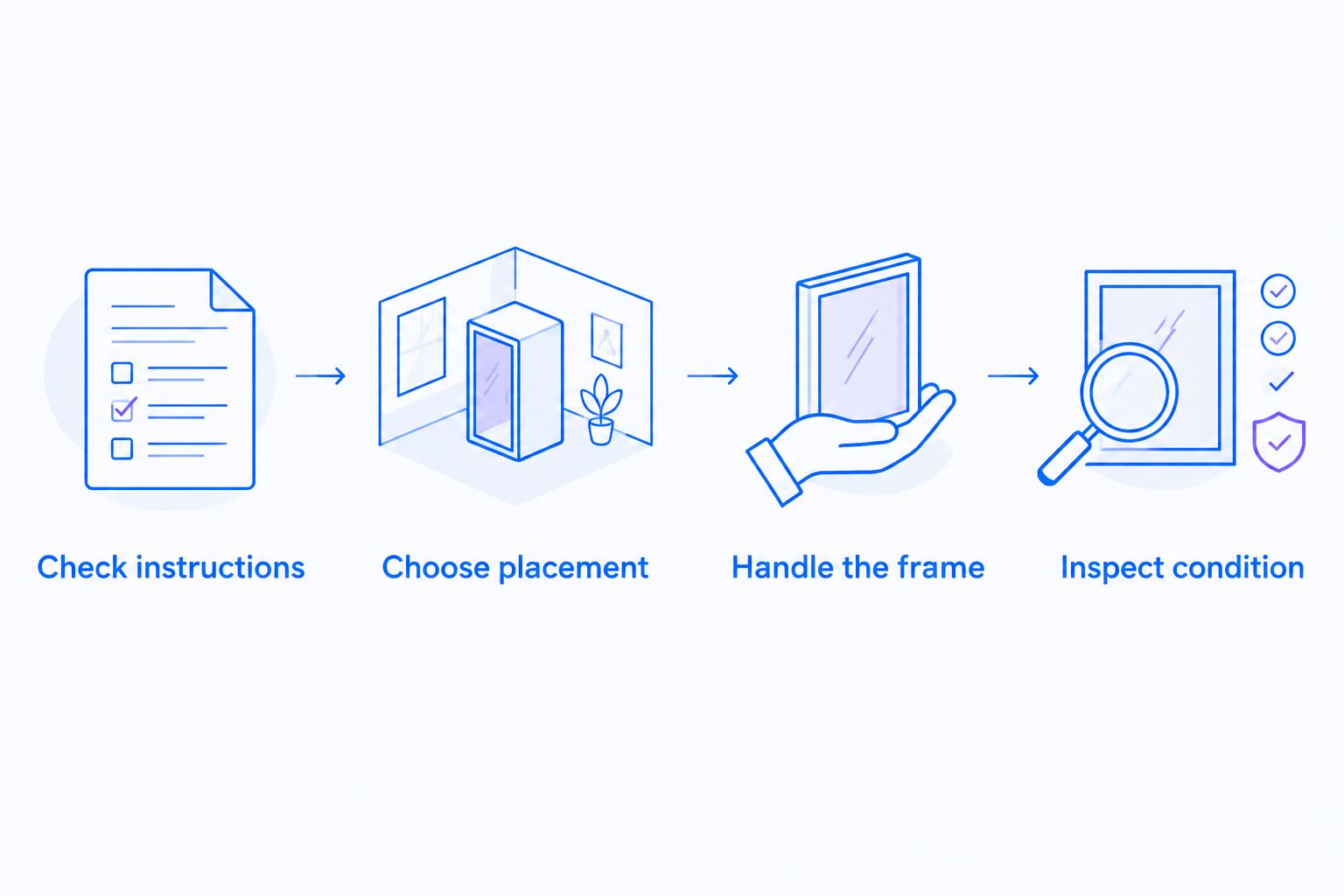 Placement, handling, and inspection matter alongside bulb compatibility.
Should you replace the shade or the whole lamp?
Replace only the shade when a compatible replacement exists and the rest of the lamp remains sound. This preserves useful components without treating cosmetic wear as an electrical failure. Confirm the attachment method, dimensions, and required bulb clearance before fitting anything new.
A similar diameter is not enough. The replacement must suit the support and light source, and it must attach as intended without improvised ties, adhesives, or pressure against the bulb.
| Option | Best for | Advantage | Limitation |
|---|---|---|---|
| Replace the shade | A sound fixture with a damaged, replaceable shade | Keeps serviceable components in use | Requires a genuinely compatible shade |
| Replace the bulb | A failed replaceable bulb with no other fault | Addresses the light-source failure directly | Does not correct wiring or shade damage |
| Arrange professional assessment | Suspected electrical damage | Identifies faults beyond cosmetic wear | Does not guarantee that repair is appropriate |
| Replace the complete lamp | An unsafe or unserviceable assembly | Avoids relying on incompatible repairs | Discards any components that remain usable |
For a purchase in 2026, ask about replacement-shade compatibility before you need it. A clear answer is more useful than a vague promise that a delicate material will last indefinitely.
Can you clean a paper lantern without damaging it?
Follow the shade’s care instructions; do not assume paper is washable. Different papers and surface treatments respond differently to cleaning. A method suitable for a coated material can damage an uncoated shade.
Disconnect the lamp and allow the bulb to cool before cleaning. If the manufacturer permits dry dusting, work gently without pressing the paper against its frame. Avoid turning a small mark into a larger damaged area through repeated rubbing.
Do not spray cleaner onto the shade, soak it, or use steam unless the manufacturer explicitly permits that treatment. When a stain cannot be removed safely, decide whether its appearance is acceptable or whether a compatible replacement shade is the better choice.
FAQ
How long does a paper lamp last with daily use?
A paper lamp has no universal lifespan under daily use. Inspect its shade, bulb, and electrical fitting separately, and follow the manufacturer’s care and replacement instructions.
Does an LED bulb make a paper lantern lamp last longer?
A compatible LED bulb reduces heat output compared with an incandescent bulb of comparable light output, but it does not guarantee a longer shade life. Moisture, sunlight, handling, and fixture compatibility still matter.
Can I leave a paper lamp on overnight?
Do not assume a paper lamp is suitable for unattended overnight use. Follow its operating instructions, use the permitted bulb, and never operate a damaged or incorrectly assembled lamp.
Should I replace a paper lampshade when it turns yellow?
Yellowing alone does not establish whether a shade needs replacement. Check for brittleness, tears, distortion, scorching, and changes to the intended bulb clearance.
Can I repair a torn paper lantern with tape?
Do not assume household tape is suitable for a paper lampshade. Follow the manufacturer’s repair guidance or fit a compatible replacement rather than adding an unapproved material near the light source.
Can a paper lantern lamp go in a bathroom or outside?
Use a paper lantern lamp in a bathroom or outdoors only when the complete fixture is explicitly suitable for that location. A sheltered position does not make an indoor-only lamp moisture-resistant.
What should I check before buying paper lighting from Sohnne?
Before choosing Sohnne lighting, check the individual lamp’s materials, bulb requirements, care instructions, and replacement-part compatibility. Do not treat a general warranty period as the expected life of a paper shade.
One last thing
Photograph the fixture’s rating label before the shade makes it difficult to reach. Keep that image with the assembly instructions so your next bulb purchase does not depend on memory. For any paper lamp you bring home in 2026, this small record makes future care more precise.
Related guides
- How to position a lounge chair for natural-light reading
- How to add texture to a neutral living room with furniture
- How to choose furniture scale for a room with high ceilings
Stay connected with us!
Keep in touch with what’s new and next. Subscribe for weekly insights, product launches, and community news!