Lounge Chair Placement for Natural Light Reading (2026)

Sohnne Design Studio
August 2, 2026
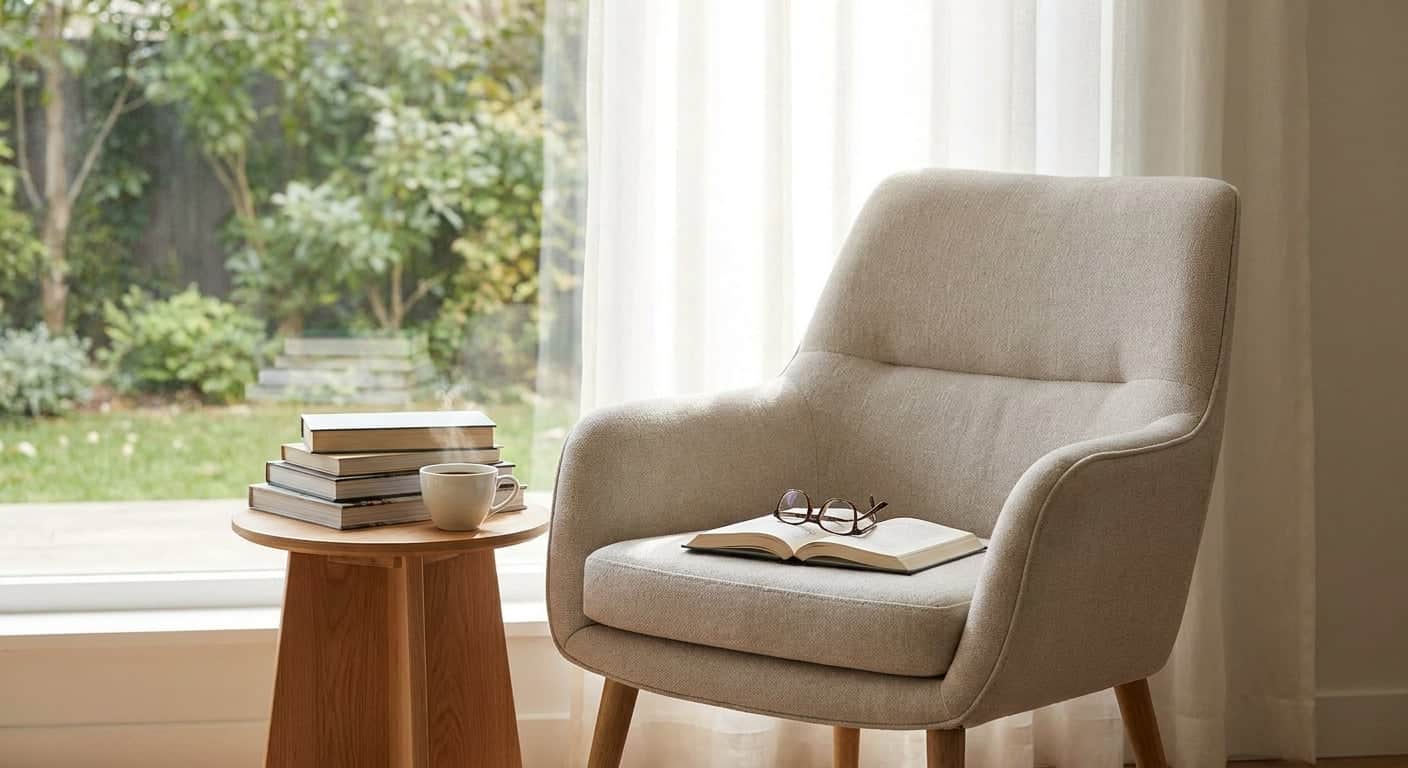
Position a lounge chair for natural light reading by placing it perpendicular to a window, roughly 3 to 5 feet back from the glass, so daylight falls over your shoulder onto the page instead of into your eyes.
TL;DR- Lounge chair placement for natural light reading works best at 90 degrees to the window, 3-5 feet back, light hitting the page from the side.
- Direct south-facing glare past 11am forces you to squint; a sheer panel cuts brightness by roughly 40% without killing the light.
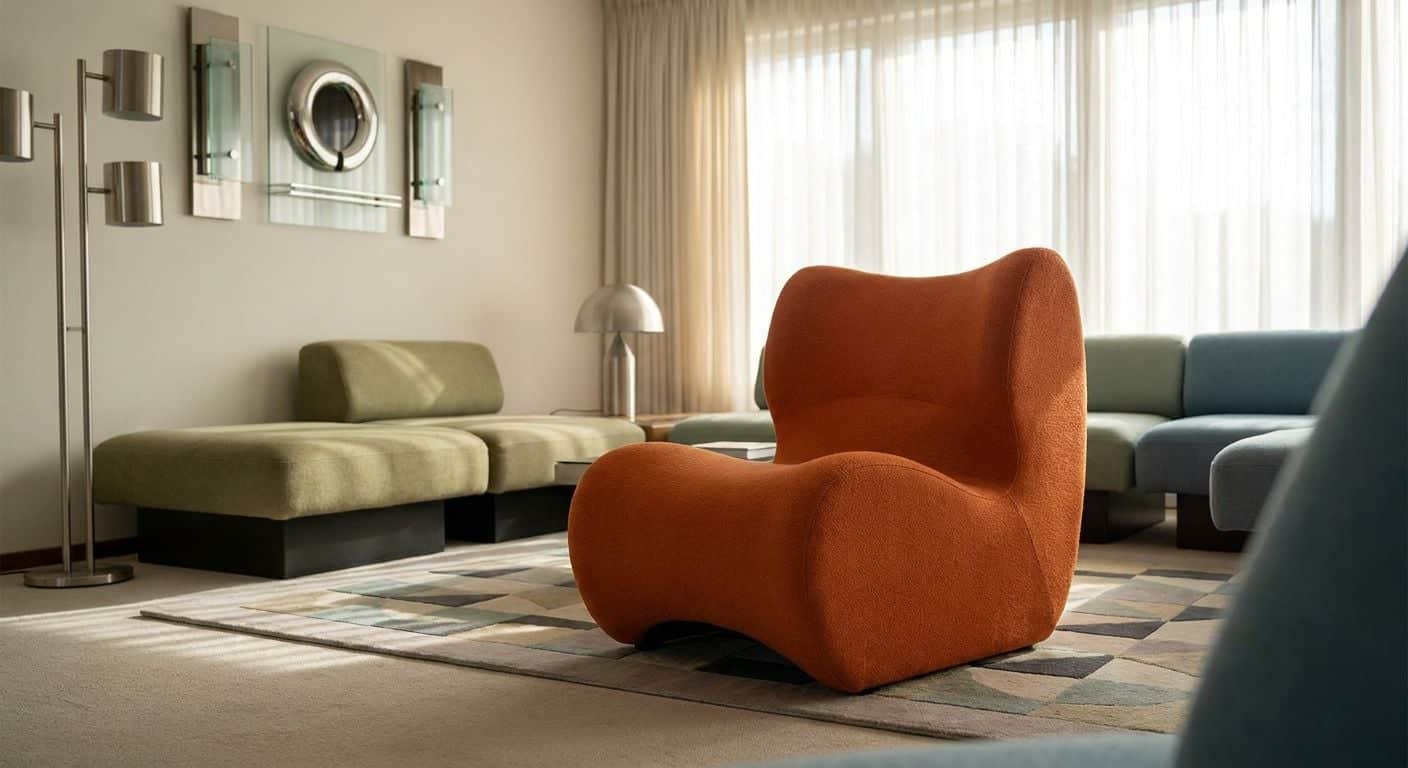
- The Pelican Chair Replica and PK22 Lounge Chair Replica both sit low enough to catch side light without shadowing the book at chair-arm height.
- North-facing windows give the steadiest light across the day in 2026 builds with large glazing; south-facing needs a diffuser by midday.
- Pair the chair with a floor lamp rated for 450+ lumens for overcast days and after 4pm reading sessions.
Why this matters
Most people push a reading chair straight against a wall under a window and wonder why the glare gives them a headache by page 20. The problem isn't the chair — it's the angle.
Direct light hitting the page head-on bounces glare straight into your eyes. Light coming from behind you casts your own shadow over the text. The only angle that works consistently is side light, which is why interior designers treat window orientation as step one, not an afterthought.
Get the angle right once and the chair stays put for years. Get it wrong and you'll spend 2026 dragging furniture around every season as the sun's arc shifts.
What you'll need
- A lounge chair with a reclining or fixed backrest under 40 inches tall, so it doesn't block the window sightline
- A tape measure (window height and floor clearance matter more than most buyers expect)
- A compass app or a morning to watch where the sun actually falls
- A side table or low surface within arm's reach, positioned so it doesn't block the light path
- Sheer curtains or a diffusion panel for any window with direct southern exposure
- A supplemental floor lamp for overcast days and evening reading
If you're still shopping, the styling notes for a lounge chair in a home library cover proportions worth checking before you commit to a specific model.
The steps
1. Identify your window's orientation first
Before moving any furniture, spend one morning noting which direction the light comes from. North-facing windows give even, low-glare light for most of the day — the best case for a reading chair. South-facing windows throw strong direct sun from roughly 11am to 3pm, which needs diffusion. East and west windows are fine except during their respective sunrise or sunset hour, when the angle drops low enough to hit eye level directly.
Common mistake: assuming all natural light behaves the same. A north window and a south window need completely different chair distances.
2. Set the chair at 90 degrees to the glass
Rotate the chair so its side, not its back or front, faces the window. This puts the light source over your shoulder rather than in your eyes or behind your head. It's the single highest-impact move in this entire guide.
Common mistake: facing the chair straight at the window for the "view." It looks good in photos and makes reading unbearable by early afternoon.
3. Measure back 3 to 5 feet from the window frame
Too close and you get hot spots and glare off glossy pages; too far and the light falls off before it reaches the book. For a room with a standard 8-foot ceiling and a window starting around 30 inches off the floor, 3 to 5 feet back keeps the chair inside the useful daylight zone without sitting in a direct sun patch.
Common mistake: placing the chair flush against the wall under the sill, which puts it in shadow for most of the day.
4. Check the arm height against your book angle
Sit in the chair and hold a book at your normal reading angle, roughly 30 to 40 degrees from vertical. If the armrest or the chair's own frame casts a shadow across the page at that angle, the chair sits too high relative to the sill. A low-profile piece like the Pacha Lounge Chair Replica style or a Pelican-shaped seat keeps the sightline open.
Common mistake: buying a tall wingback for a low window and wondering why the chair back blocks the light entirely.
5. Add a diffusion layer if the window faces south
A sheer panel or a single layer of linen curtain cuts peak brightness by roughly 40% without darkening the room, which stops the 11am-to-3pm glare spike without turning the reading nook into a cave. Skip this step on north-facing windows — it's unnecessary and just dims light you need.
Common mistake: hanging heavy blackout drapes to fix glare, which kills the natural-light benefit entirely for the other 20 hours of the day.
6. Place a side table on the shadow side, not the light side
Set your side table on the wall side of the chair, opposite the window. This keeps the tabletop from blocking incoming light and stops your coffee cup from casting a shadow across the page. Check the best lounge chairs for a home reading corner for pairings that already account for this clearance.
Common mistake: centering the table between chair and window because it looks symmetrical — it blocks exactly the light you positioned the chair to catch.
7. Add a floor lamp for the hours daylight can't cover
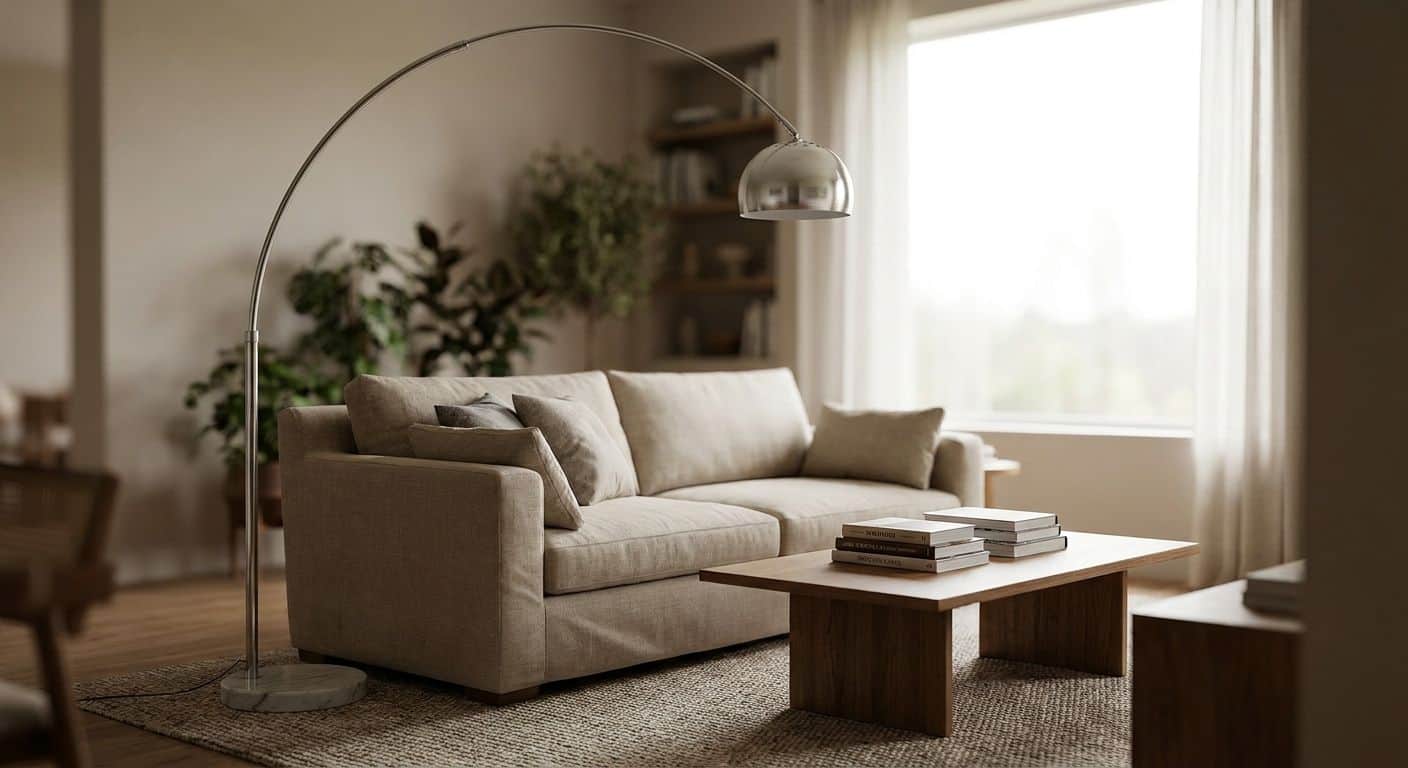
Even a well-placed chair goes dark after 5pm in winter or on overcast days. A floor lamp rated at 450 lumens or higher, positioned just behind the shoulder on the same side as the window, extends the same side-lighting angle into the evening. The PH Artichoke lamp placement guide has specific height and distance numbers if you're pairing a statement fixture with the chair.
Common mistake: relying on an overhead fixture, which lights the room but not the page — overhead light at a 90-degree downward angle creates flat, shadowless illumination that's actually harder to read under than a side lamp.
Troubleshooting
Glare on glossy pages or an e-reader screen. Rotate the chair another 15 to 20 degrees away from direct sun exposure, or add a sheer panel. Glossy paper reflects direct light almost like a mirror at certain angles.
The chair feels too bright by midday but too dim by 4pm. This is a south- or west-facing window problem. Add a diffusion layer for the peak hours and a floor lamp for the tail end of the day — the fix isn't one or the other, it's both.
Neck strain after reading sessions longer than 30 minutes. The chair height or seat depth is fighting your natural reading posture, not the light. Check picking a lounge chair for neck pain before assuming it's a placement issue.
Shadows falling across the page from your own hand. You're likely facing the light source instead of catching it from the side. Re-check step 2 — this almost always means the chair got nudged back to facing the window head-on.
Room feels unbalanced with the chair off-center. Perpendicular placement rarely lines up with a room's visual center, and that's fine. Function beats symmetry here; anchor the composition with a rug or a low table instead of forcing the chair back to center.
Light disappears seasonally. Sun angle drops as much as 40 degrees between summer and winter solstice depending on latitude. A chair perfectly placed in July may sit in shadow by December — plan for a seasonal 1-to-2-foot adjustment rather than a full redesign.
Find a lounge chair built for this
Browse low-profile replica lounge chairs sized for side-light reading nooks.
Shop lounge chairsTools and resources
- Tape measure and a compass app for orientation checks
- Sheer curtain panel or linen diffuser for south-facing glass
- A floor lamp rated 450+ lumens for evening reading
- A low-profile chair silhouette — the best replica lounge chairs for a sunroom round up options built for exactly this kind of daylight-heavy room
- A side table set on the wall side, never the window side
What to do next
Once the chair sits at the right angle and distance, the next variable is the chair itself — seat depth, recline angle, and arm height all change how comfortably you hold a book for an hour versus ten minutes. Revisit the neck-pain fit guide referenced above if you're still adjusting posture after the placement is otherwise correct, and treat 2026's shifting daylight hours as a seasonal check rather than a one-time setup.
FAQ
What is the best lounge chair placement for natural light reading?
The best lounge chair placement for natural light reading is perpendicular to the window, 3 to 5 feet back, so light falls over your shoulder onto the page. Facing the chair directly at or away from the window causes glare or shadow.
Should a reading chair face a north or south window?
A north-facing window gives steadier, lower-glare light across the day in 2026 builds with standard glazing, making it the easier placement. South-facing windows need a sheer diffuser for the 11am-to-3pm window.
How far should a lounge chair sit from a window?
3 to 5 feet back from the window frame keeps the chair inside usable daylight without sitting in a direct sun patch. Closer than that risks glare on glossy pages; farther and the light falls off too much for comfortable reading.
Does chair height affect natural light reading?
Yes — a chair or armrest that sits too high relative to the windowsill can cast a shadow across the page at normal reading angle. Low-profile silhouettes like the Pelican Chair Replica keep the sightline to the window open.
What lighting fixes glare on a lounge chair near a window?
A sheer curtain or single linen layer cuts peak brightness by roughly 40% without darkening the room, which handles direct sun spikes on south-facing glass. Blackout drapes overcorrect and remove the natural-light benefit entirely.
Where should a side table go relative to a reading chair by a window?
Set the side table on the wall side of the chair, opposite the window, so the tabletop doesn’t block incoming light. A table centered between chair and window blocks exactly the light the placement is built around.
Does lounge chair placement need to change by season?
Yes — sun angle can shift by as much as 40 degrees between summer and winter depending on latitude, so a chair placed perfectly in July may sit in shadow by December. A 1-to-2-foot seasonal adjustment usually fixes it.
Can a floor lamp replace natural light for reading?
A floor lamp rated at 450 lumens or higher extends the same side-lighting angle into evening hours but doesn’t replace daylight during the day. Position it just behind the shoulder on the same side as the window for consistency.
One last thing
The angle matters more than the chair. A mid-tier chair placed at 90 degrees to a north window will out-perform a design-icon replica facing the glass head-on — light direction beats upholstery every time, and it costs nothing to test before you buy anything.
Related guides