Best Replica Sideboard Credenza Picks for 2026

Sohnne Design Studio
August 8, 2026
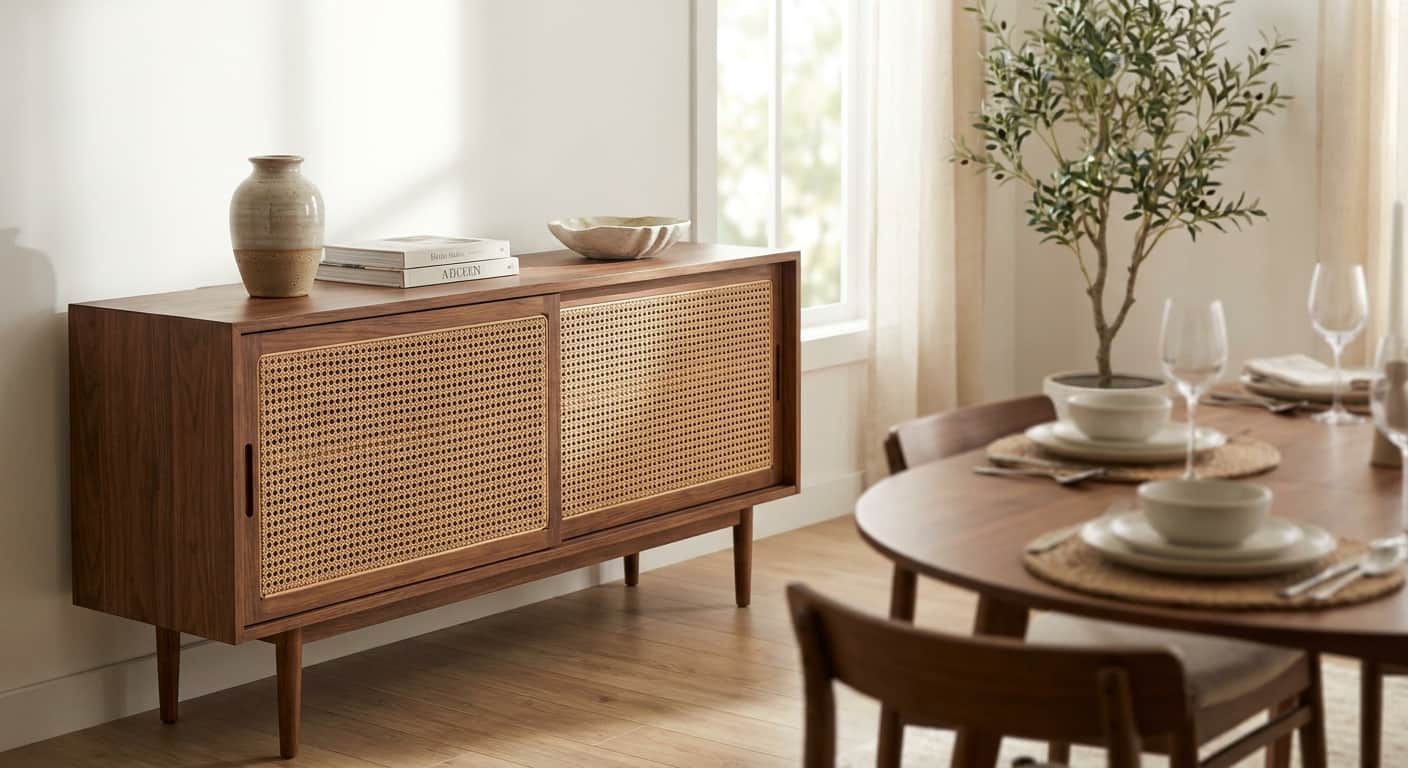
A replica sideboard or credenza is the piece that decides whether a dining room looks finished or half-furnished, and the market is flooded with options that photograph well but warp, gap, or discolor within a year. This guide ranks the pieces and categories worth your money against the ones that only look right in a listing photo.
TL;DR- The Fritz Sideboard is the strongest all-around replica sideboard credenza pick for a mid-century dining room in 2026 — Buy.
- The Haller Shelving System wins for open, modular storage but needs a confident, uncluttered room — Consider.
- High-gloss lacquer credenzas look sharp online but show fingerprints and hairline cracks fastest — Skip unless you’re prepared to maintain them.
- Cane-front sideboards add texture that solid-wood fronts can’t match, but panel quality varies wildly between sellers — Consider only after checking joinery.
- A 5-year warranty and 60-day return window are the two guardrails that separate a real replica sideboard credenza from a disposable one.
Why this matters
A dining room sideboard gets touched, leaned on, and loaded with serveware more than almost any other piece in the house. Cheap veneer and undersized hardware fail exactly where you need durability — hinges, drawer runners, and the top surface.
Buying a replica sideboard credenza is also a design decision, not just a storage one. The right piece anchors the room the way a dining table anchors the seating, and in 2026 that means solid joinery, a finish that ages instead of scuffs, and proportions that match the room instead of overwhelming it.
How this list was built
The ranking below weighs four things: material honesty (solid wood versus wrapped veneer), hardware quality, how the piece performs in a real dining room versus a styled photo, and whether the design translates the original reference correctly at true scale. Categories that show up repeatedly in dining room sourcing — high-gloss lacquer, cane fronts, modular shelving — get evaluated the same way individual pieces do, because shoppers compare them side by side regardless of brand.
Each entry below gets a plain verdict: Buy, Consider, or Skip. None of them are hedged, because a sideboard purchase is a five-to-ten-year commitment and vague advice doesn't help you make it.
The ranked list
1. The Fritz Sideboard — the anchor piece
This is the safe, correct choice for most mid-century dining rooms. The low, horizontal silhouette that defines the Fritz Sideboard reads as a credenza rather than a cabinet, which keeps sightlines open in rooms with a dining table and chairs already competing for visual weight.
It does the job a dining sideboard is actually for: linens, serveware, and everyday china stay accessible without a hutch's bulk. Verdict: Buy for anyone furnishing a mid-century or transitional dining room where the sideboard needs to support the room, not dominate it.
2. The Fritz Media Console — the dual-duty pick
Built on the same design language as the sideboard above, the Fritz Media Console works in dining rooms that double as media or lounge space — a common layout in open-plan homes built or renovated through 2026.
The tradeoff is depth: media consoles run shallower than dedicated sideboards, so they hold less serveware per linear foot. Verdict: Consider if your dining area shares a wall with a TV or sound system; Skip if you need maximum storage volume from a single piece.
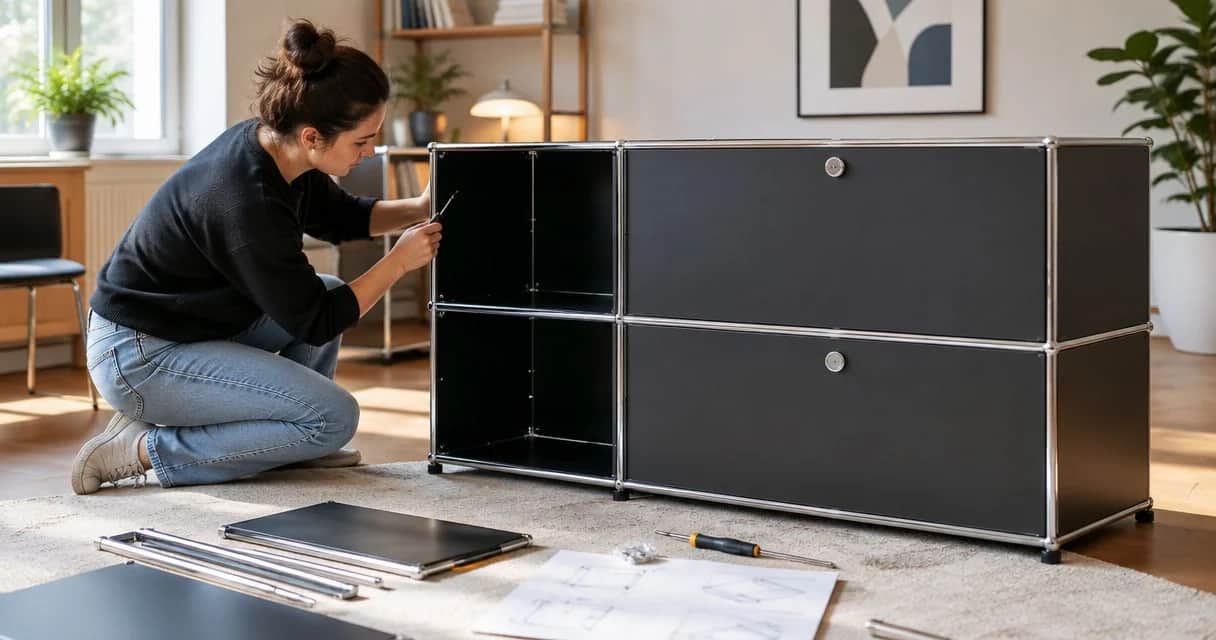
3. The Haller Shelving System — the modular wildcard
Open shelving is the opposite bet from a closed sideboard, and the Haller Shelving System is the strongest replica option in that category. Modular frames let you configure width and height to the actual wall instead of settling for a fixed 60-inch or 72-inch box.
The catch is discipline: open shelving displays everything, including the mismatched storage containers most households actually own. Verdict: Consider for dining rooms styled around glassware and ceramics you're proud to show; Skip if your storage needs lean toward hiding things, not displaying them.
4. High-gloss lacquer credenzas — the showroom trap
This is a category, not a single product, and it's worth naming because it shows up constantly in sideboard searches. High-gloss lacquer finishes photograph beautifully under studio lighting but show fingerprints, dust, and hairline stress cracks around drawer edges faster than a satin or matte lacquer finish does.
In a dining room specifically — where hands, serving trays, and hot dishes make constant contact — gloss finishes need more upkeep than most buyers expect going into 2026. Verdict: Skip unless you're prepared to wipe the surface daily and accept visible wear within 12 to 18 months.
5. Cane-front sideboards — the textured favorite
Cane paneling adds warmth and visual lightness that solid wood fronts can't replicate, which is why cane-front credenzas keep trending across mid-century and transitional dining rooms alike. The tradeoff sits in the panel quality: loosely woven or poorly framed cane sags and separates from its frame within a couple of years under normal humidity swings.
Check the weave density and the frame seam before buying — a tight, evenly spaced weave with a routed (not glued) frame edge is the giveaway of a durable piece. Verdict: Consider, but only after a close look at construction; a beautiful photo hides a weak frame just as easily as it hides a strong one.
Comparison at a glance
| Pick | Best for | Storage style | Verdict |
|---|---|---|---|
| Fritz Sideboard | Mid-century and transitional dining rooms | Enclosed, drawer + cabinet | Buy |
| Fritz Media Console | Combined dining and lounge spaces | Enclosed, shallower depth | Consider |
| Haller Shelving System | Rooms built around display pieces | Open, modular | Consider |
| High-gloss lacquer credenza | Buyers who don't mind daily upkeep | Enclosed | Skip |
| Cane-front sideboard | Warmth and texture over hard edges | Enclosed, woven panels | Consider |
Where to buy a replica sideboard credenza
- Check the warranty length before the price. A 5-year warranty signals a maker willing to stand behind joinery and hardware; anything shorter is a red flag on a piece meant to carry weight daily.
- Confirm the return window covers real-world testing. A 60-day return period gives you enough time to load drawers, open cabinets repeatedly, and check for warping under actual room conditions — a week isn't enough.
- Read the construction details, not just the finish description, and cross-check them against a guide like how to verify quality before buying replica furniture before adding anything to a cart in 2026.
Browse dining storage pieces
See the full collection of mid-century sideboards and consoles.
Shop SohnneFAQ
What’s the best replica sideboard credenza for a small dining room?
The Fritz Sideboard’s low, horizontal profile works best in tight dining rooms because it keeps sightlines open instead of stacking storage vertically. Avoid tall hutch-style credenzas in rooms under roughly 120 square feet.
Is a sideboard or a credenza better for a dining room?
They’re functionally similar; a credenza traditionally sits lower and longer while a sideboard can run taller with more cabinet height. For dining rooms, the lower credenza profile usually pairs better with a standard 30-inch dining table.
How much storage does a dining room sideboard actually need?
Most households need enough depth for a standard 18 to 20 inch dinner plate stack plus linens, which a mid-size sideboard or credenza covers without a hutch on top. Larger households hosting frequently should size up rather than add a second piece.
Are cane-front sideboards durable enough for daily use?
A tightly woven cane panel with a routed frame edge holds up well under normal dining room use, but loosely woven or glued panels sag within a couple of years. Check the weave density in person or in detailed photos before buying.
Do high-gloss lacquer credenzas scratch easily?
High-gloss lacquer shows fingerprints, dust, and fine scratches faster than a satin or matte finish, especially around drawer pulls and edges that get touched daily. A matte or open-pore finish holds up better in a dining room specifically.
What should I check before buying a replica sideboard online?
Check the warranty length, the return window, and the joinery description before price. A 5-year warranty and a 60-day return window are reasonable minimums for a piece meant to carry daily weight.
Is modular shelving a good replacement for a closed sideboard?
Modular shelving like the Haller Shelving System works well if your dining room storage is meant to be displayed rather than hidden. It’s a poor substitute if you need to hide mismatched serveware or bulky linens.
How wide should a dining room sideboard be?
Sideboard width should generally match or slightly exceed the length of the dining table it sits near, commonly in the 60 to 72 inch range for a standard six-seat table. Measure the wall space first, since clearance for chair pull-back matters as much as the piece’s own footprint.
One last thing
The detail buyers skip most often is drawer runner type — soft-close metal runners outlast plastic glides by years, and you can usually tell the difference just by opening a drawer and letting go halfway. If a drawer slams instead of settling, walk away from that listing regardless of how the finish photographs.
Related guides
- How to style the Fritz Sideboard in a dining room
- Best replica furniture for a mid-century modern dining room
Stay connected with us!
Keep in touch with what’s new and next. Subscribe for weekly insights, product launches, and community news!