Best mid-century modern bar carts in 2026
Sohnne Design Studio
November 27, 2026

Best overall: a wood-and-metal two-tier cart. Best for tight spaces: a narrow rectangular cart. Best for display: a brass-tone and glass cart. This Sohnne guide compares five mid century modern bar cart configurations for 2026, with the practical trade-offs that matter before you choose.
TL;DR- Sohnne’s mid century modern bar cart verdict: choose wood and metal for an everyday home bar.
- A narrow rectangular drinks trolley suits a shallow wall position, provided its handle and wheels fit too.
- Brass-tone and glass carts favor display; removable-tray carts favor serving away from the cart.
- Check usable shelf clearance, wheel condition, finish care, and the complete footprint before choosing.
Why this matters
A bar cart holds more than bottles. It occupies a wall, sits beside other furniture, and sometimes travels between rooms. The right configuration makes those jobs compatible; the wrong one becomes an attractive obstacle.
For a 2026 purchase, start with how you serve rather than how a styled photograph looks. A cart parked beside a dining table needs accessible shelves. A trolley that moves through doorways needs a manageable footprint, secure contents, and wheels suited to that route.
Choose the cart around your room and serving habits, then choose the finish. A warm wood shelf cannot compensate for a handle that catches the doorway.
What makes the best mid-century modern bar cart?
These criteria separate a useful drinks trolley from a display stand:
- Complete footprint: Include handles, projecting wheels, and anything that extends beyond the shelves.
- Usable storage: Check the space beneath shelf edges and rails, not just the overall height.
- Controlled movement: Look for secure wheel fittings, an accessible handle, and clear guidance on moving the cart.
- Surface care: Match wood, metal, glass, and tray finishes to the spills and cleaning your routine involves.
- Serving access: Make sure you can retrieve bottles and lift glasses without shifting everything else.
- Visual balance: Choose a frame and material combination that relates to the room without matching every nearby piece.
A cart does not need every accessory. Bottle dividers, stemware racks, and raised rails each occupy space as well as serving a purpose. Choose them because they suit what you own, not because the feature list is longer.
Mid-century modern bar carts at a glance
The ranking below compares configurations rather than individual retail models. Each earns a different role; construction quality still needs checking on the particular cart you select.
| Rank and configuration | Best for | Standout feature | Key limitation |
|---|---|---|---|
| 1. Wood-and-metal two-tier cart | Everyday home bars | Separate serving and storage shelves | Wood finish needs appropriate spill care |
| 2. Narrow rectangular cart | Shallow wall positions | A footprint that follows the wall | Limited depth restricts tray placement |
| 3. Brass-tone and glass cart | Decorative display | Transparent shelves and reflective framing | Glass shows fingerprints and drips |
| 4. Removable-tray cart | Serving away from the cart | A tray that carries drinks to seating | Tray fit and carrying comfort need checking |
| 5. Vintage wood trolley | A collected interior | An existing piece with individual character | Condition varies across joints, wheels, and finishes |
1. Wood-and-metal two-tier cart: best for everyday home bars
A wood-and-metal two-tier cart is the most balanced starting point when you want storage and serving space together. Use the upper shelf for preparation and the lower shelf for bottles or glassware, subject to the manufacturer’s load guidance.
The material contrast gives the cart a clear outline without requiring decorative detail. Choose the wood tone alongside your existing furniture rather than trying to match it from memory.
Wood-and-metal cart pros:
- Two shelves separate preparation from storage.
- Wood introduces warmth beside glassware and metal accessories.
- An open frame keeps stored items visible and accessible.
Wood-and-metal cart cons:
- Spills require care appropriate to the specific wood finish.
- Tall rails or shelf supports can restrict bottle access.
Best for: A regularly used home bar that stays mostly in one position.
Before choosing, check whether the lower shelf accommodates your tallest bottle beneath the upper shelf’s frame. A generous overall height does not establish usable storage clearance.
For 2026, this is the default configuration to shortlist—not a reason to overlook loose joints, unclear materials, or inconvenient shelf spacing. Verdict: Buy for balanced everyday use after checking construction and clearance.
2. Narrow rectangular cart: best for shallow wall positions
A narrow rectangular cart works along a short dining-room wall or beside a console where depth matters more than display area. Its main advantage is orientation: the long edge follows the wall while the short edge projects into the room.
Measure the complete cart, not just its top shelf. A curved handle or outward-facing caster can determine whether the piece fits.
Narrow rectangular cart pros:
- A shallow format preserves more space in front of the wall.
- A straight edge makes placement easy to plan.
- A compact surface encourages a restrained serving setup.
Narrow rectangular cart cons:
- Deep trays can overhang or fail to fit between rails.
- A narrow shelf leaves less room to work around bottles.
Best for: A defined wall position in a compact dining or living room.
Mark the proposed footprint on the floor and walk past it while carrying a tray. Include the space occupied when nearby dining chairs are pulled out. For the surrounding arrangement, use the same principles as choosing furniture scale for your room: judge the piece against both the architecture and its neighbors.
Do not choose the narrow format simply because the room is small. Choose it because the intended position is shallow. Verdict: Buy when depth is the constraint; skip when you need a broad preparation surface.
3. Brass-tone and glass cart: best for decorative display
A brass-tone and glass cart places the emphasis on its contents. Transparent shelves leave bottles, ceramics, and glassware visible through the frame, while the metal finish adds a warmer accent than a cool silver tone.
Treat brass-tone as a finish description, not proof of solid brass construction. Check the stated frame material and cleaning instructions before selecting a piece.
Brass-tone and glass cart pros:
- Transparent shelves keep the frame visually open.
- Visible contents become part of the room’s composition.
- The warm metal tone contrasts with dark wood furniture.
Brass-tone and glass cart cons:
- Fingerprints, water spots, and drips remain visible on glass.
- Glass edges and supports need careful inspection.
Best for: A mostly stationary display with occasional drink service.
Keep part of the top shelf clear so the arrangement remains usable. A cart covered edge to edge with bottles loses the transparent effect that made glass appealing.
For a 2026 room refresh, choose this configuration because you want a visible display—not because glass establishes better construction. Verdict: Buy for display; skip if visible marks will make routine use frustrating.
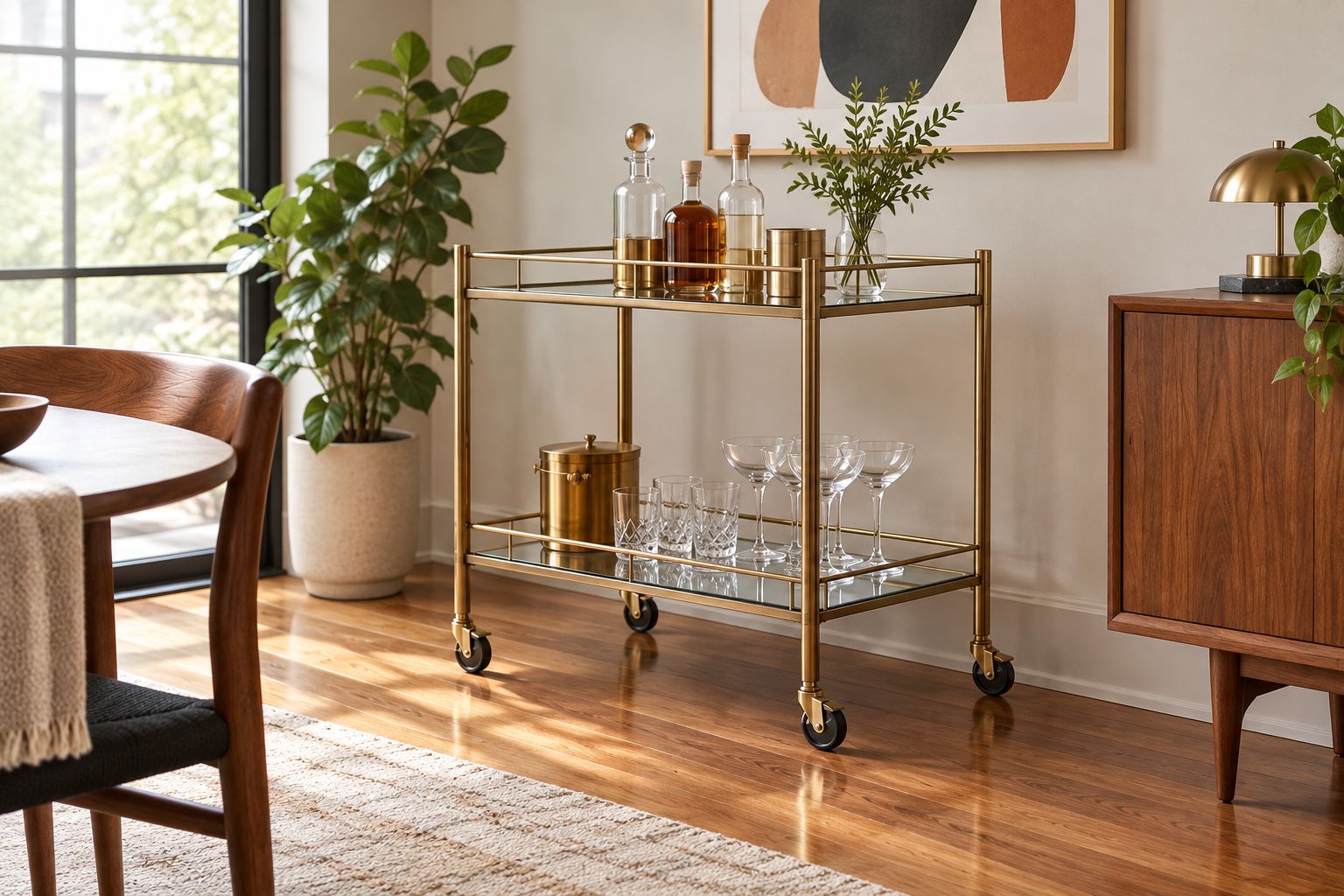 Leaving part of the top shelf empty keeps a display cart useful for serving.
4. Removable-tray cart: best for serving away from the cart
A removable-tray cart lets you leave the wheeled base in place while carrying drinks to a table. It suits a room where rolling the entire cart around seating would be awkward.
The tray is the deciding component. Check that it is intended to lift out, sits securely on the frame, and has handles you can grip comfortably.
Removable-tray cart pros:
- Drinks can travel without moving the cart’s full contents.
- A defined tray groups serving pieces together.
- The base can remain in its planned position.
Removable-tray cart cons:
- A loaded tray demands comfortable lifting and carrying.
- Removing the tray takes away that serving surface until it returns.
Best for: Serving guests seated away from the bar-cart position.
Check the tray’s underside as well as its top. If you intend to set it on a table, confirm that its feet or fittings are suitable for that surface. Do not assume every raised-edge shelf is removable.
A tray cart is less useful when you prefer preparing and serving drinks in the same spot. Verdict: Buy for table-side service; skip if lifting a tray does not suit your routine.
5. Vintage wood trolley: best for a collected interior
A vintage wood trolley suits a room assembled from pieces with different ages, finishes, and proportions. Assess the actual object rather than relying on its age or the seller’s period description.
Condition matters at every connection. Inspect joints, shelf supports, handles, wheel mounts, and any previous repairs before treating the trolley as movable storage.
Vintage wood trolley pros:
- Existing wear gives each piece an individual appearance.
- An aged wood finish adds contrast beside newer furniture.
- You can assess the particular object when inspecting in person.
Vintage wood trolley cons:
- Worn wheels or loose joints require attention before use.
- Earlier repairs and finish changes complicate condition assessment.
Best for: A collected room where you are comfortable evaluating condition.
Ask for clear underside photographs when inspecting remotely. Decorative appeal is not evidence that a trolley should carry bottles across a room.
For a vintage purchase in 2026, prioritize documented condition over an appealing period label. Verdict: Hold until joints, wheels, and shelf supports have been checked.
Check the fit before choosing
A useful bar-cart plan starts with the objects you own. Avoid choosing an entire room arrangement around a trolley that has not been measured.
Measure the footprint
Record overall width, depth, and height in inches, including handles and wheels. Mark the outline at the intended position and check doors, curtains, nearby drawers, and pulled-out chairs.
Check shelf clearance
Measure your tallest bottle and widest serving tray in inches. Compare them with usable shelf dimensions beneath rails and supports, not with the cart’s external measurements.
Trace the route
If you plan to move the cart, follow its intended route through the room. Note thresholds, rugs, tight turns, and changes in floor surface, then check the manufacturer’s movement guidance.
Plan the load
Read the stated load limit in pounds and any separate shelf limits. Keep the arrangement within those instructions, and remove loose serving pieces before moving when the guidance requires it.
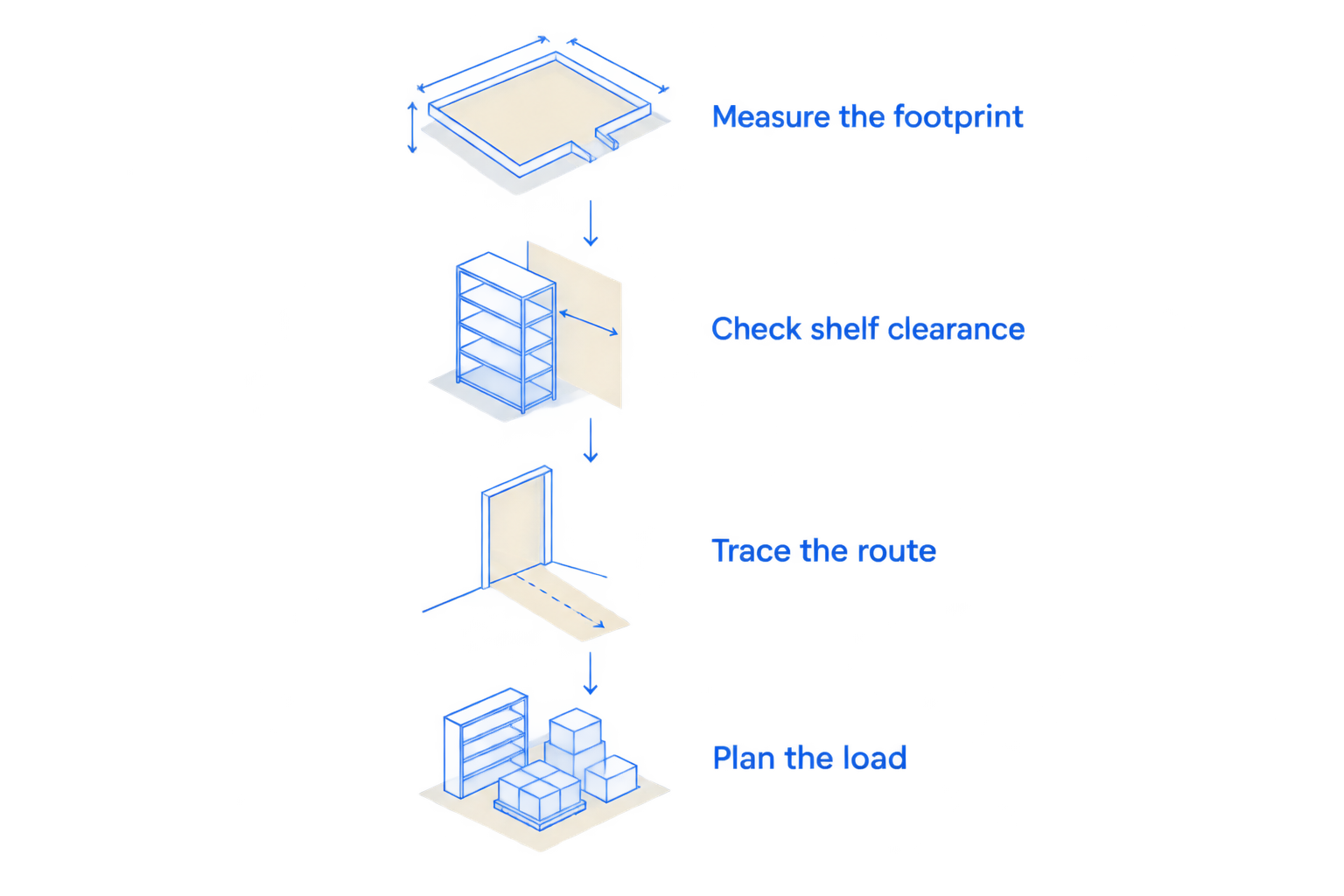 External dimensions alone do not establish whether a cart will work in your room.
A few recorded measurements give you a consistent way to compare listings. Keep the notes beside your shortlist so a promising finish does not distract from an unsuitable shape.
How these configurations were ranked
Sohnne’s mid-century modern bar cart ranking puts everyday access first, followed by fit, serving flexibility, surface care, and visual balance. The wood-and-metal configuration leads because its separate shelves accommodate both preparation and storage; the other configurations answer more specific room or serving needs.
This is a configuration guide, not a claim of hands-on testing or a rating of individual manufacturers. Apply the criteria to the exact materials, dimensions, and construction details of each cart you consider.
Which mid-century modern bar cart should you choose?
Choose a wood-and-metal two-tier cart unless your room or serving routine gives you a clear reason not to. It is the most straightforward starting point for an everyday setup.
Choose narrow rectangular for a shallow wall position, brass-tone and glass for display, or a removable tray for serving away from the base. Choose vintage only after assessing condition. Sohnne’s recommendation for 2026 is simple: let the practical constraint decide the configuration, then refine the finish.
FAQ
What’s the best mid century modern bar cart for everyday use?
A wood-and-metal two-tier cart is the best starting configuration for everyday use. Separate shelves give you distinct serving and storage areas, provided the actual shelf clearance fits your bottles and glassware.
Which bar cart works best in a small apartment?
A narrow rectangular cart works best when the available position is shallow. Measure handles and wheels as part of the footprint, and check the space with nearby chairs pulled out.
Is a glass bar cart better than a wood bar cart?
Glass is better for an open display, while wood gives the arrangement a warmer surface. Glass shows fingerprints and drips; wood needs spill care appropriate to its finish.
Should I choose a bar cart with a removable tray?
Choose a removable tray if you regularly carry drinks from the cart to seating elsewhere. Confirm that the tray lifts out securely and feels comfortable to carry before making that feature a priority.
What should I check before choosing a vintage drinks trolley?
Check joints, shelf supports, handles, wheel mounts, and previous repairs. An attractive finish does not establish that a vintage trolley is suitable for moving a loaded arrangement.
Can I use a bar cart without storing alcohol?
Yes, a bar cart can hold drinking glasses, water, serving accessories, or a tea setup. Follow the surface-care instructions and use suitable protection beneath hot items.
How do I keep a bar cart from looking cluttered?
Leave a usable area on the top shelf and keep only frequently used serving pieces within reach. Group smaller accessories on a tray, and move unrelated storage elsewhere.
One last thing
Style the empty space as deliberately as the objects. Before adding another decanter or bowl, place your usual tray on the top shelf and reach for a glass. If that simple action requires rearranging the display, remove something rather than choosing a larger cart automatically.
Related guides
- Best mid-century modern dining tables
- Best mid-century modern lighting fixtures
- Lounge seating for a home wine-tasting room
Stay connected with us!
Keep in touch with what’s new and next. Subscribe for weekly insights, product launches, and community news!