Furniture for Pediatric Waiting Room: 2026 Buying Guide

Sohnne Design Studio
August 3, 2026
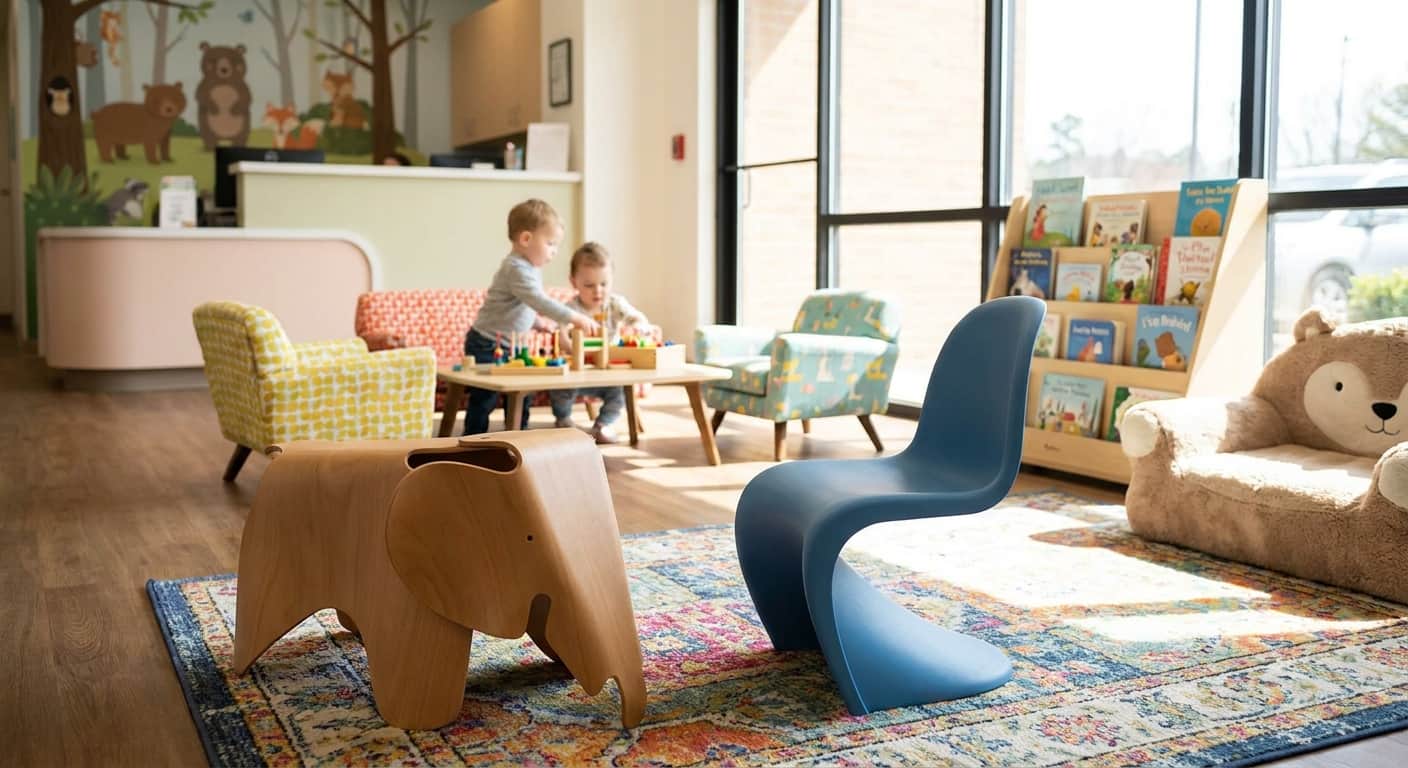
A pediatric waiting room takes more abuse per square foot than almost any other commercial interior — sticky hands, spilled juice boxes, anxious toddlers climbing on arms — and the furniture has to look calm while surviving it. This guide picks the pieces that hold up in 2026 without turning the room into a plastic-and-vinyl clinic.
TL;DR- Modular bench-style sofas with performance fabric are the safe pick for furniture for a pediatric waiting room in 2026.
- Seat height of 17-18 inches works for both parents and school-age kids without a step stool.
- Boucle and loose-weave fabrics fail fast under juice and marker stains — skip them here.
- A 5-year warranty on frames matters more in a clinic than in a living room.
- Budget picks under $2,000 per sofa still hold up if the fabric is performance-rated.
Why this matters
Waiting room seating gets replaced on a different clock than living room furniture. A frame rated for home use might survive five years in a den and eighteen months in a pediatric clinic seeing 40-plus families a day. The wellness clinic waiting room guide covers the adjacent case — adult-facing medical seating — but pediatric rooms add a layer: kids climb, kick, and test every armrest.
Getting this wrong costs twice. First in reupholstery or replacement, second in the parent's first impression of the practice. A stained sofa or a wobbly chair reads as neglect even when the clinical care is excellent.
Who this is for
This is written for pediatric practice managers, clinic owners, and interior consultants furnishing a waiting room that serves infants through pre-teens plus their parents or caregivers. If you're outfitting a general medical office with mostly adult traffic, the calculus on seat height and stain load shifts — this guide assumes kids under 12 are in the room daily.
What to look for in furniture for a pediatric waiting room
Cleanability and stain resistance
Fabric matters more here than in any residential room. Performance-rated weaves and treated leather wipe clean in seconds; loose boucle traps marker ink and juice permanently. A clinic seeing 30-50 patients daily needs fabric that survives that volume without visible wear inside a year.
Rounded edges and low seat height
Sharp coffee table corners and high-legged chairs are a liability with toddlers moving unpredictably. Seat height around 17-18 inches lets a parent sit comfortably while a five-year-old climbs on and off without help. Rounded, low-profile silhouettes reduce injury risk and look calmer than anything with visible hardware.
Modularity for mixed family sizes
A single mother with one infant and a family of five need different seating configurations in the same room. Modular sofa sections solve this better than fixed loveseats — you can reconfigure for a busy Monday morning versus a slow Friday afternoon without buying separate pieces.
Weight capacity and frame durability
A waiting room chair gets sat on, stood on, and occasionally jumped on. Solid hardwood or steel-reinforced frames outlast particleboard by years under that kind of daily load, and a 5-year warranty is a reasonable minimum ask from any vendor selling into a clinical setting.
Calming, non-clinical aesthetic
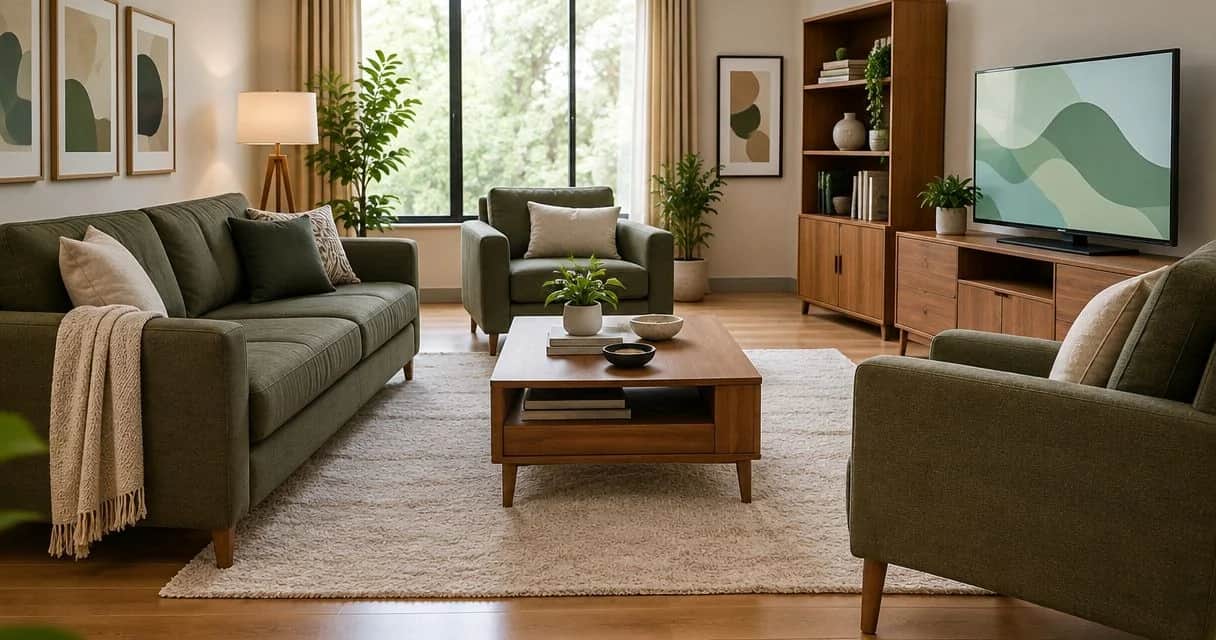
Parents already associate the room with an anxious visit. Mid-century modern lines — warm wood tones, soft curves, muted upholstery — read less institutional than chrome-and-vinyl waiting furniture, without sacrificing the durability a clinic needs.
Warranty and replacement turnaround
High-traffic commercial use shortens the practical life of any sofa. A 5-year warranty and a straightforward returns window (60 days is standard on well-made replica pieces) protect the budget when a piece needs to come back for repair or swap.
Top picks for a pediatric waiting room
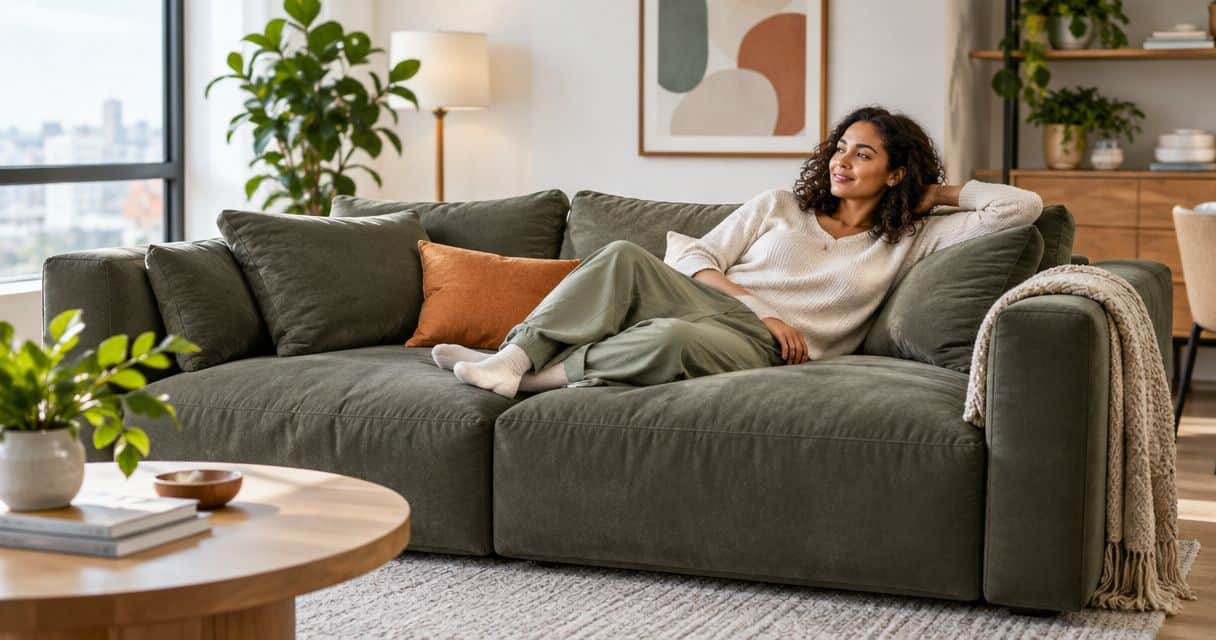
The safe pick: modular bench sofa. Reconfigurable sections in a performance-rated fabric handle fluctuating family sizes and heavy daily traffic without looking like a hospital bench. Seat height sits around 18 inches, comfortable for parents and manageable for kids climbing on independently. The best modular sofas for families with young children guide breaks down configuration options for exactly this kind of mixed-age seating. Buy.
The workhorse: performance-fabric loveseat. This is the pick for clinics doing 40+ patient visits a day where stain load is constant. Treated weaves resist juice, marker, and antibacterial wipe-downs far longer than untreated cotton blends — the difference shows up as visible wear inside 12 months versus holding clean for 3+ years. The cat-scratch-resistant fabric guide covers the same durability logic that applies to claws, crayons, and everything in between. Buy.
The budget pick: sofa under $2,000. Smaller practices furnishing a single waiting room don't need six-figure commercial contracts. A well-built replica sofa under $2,000 with a solid frame and performance fabric covers the basics without the markup of true commercial-grade medical furniture. Check the best designer sofa replicas under $2,000 roundup before committing. Consider.
The wildcard: a single low lounge chair. One accent chair near the check-in desk gives a caregiver holding an infant a spot that isn't a shared bench. It only works as a supplement, not the primary seating plan, since a single chair doesn't scale to a full waiting room. Consider as an add-on, Skip as a standalone solution.
Furnish your pediatric waiting room
Browse mid-century pieces built for high-traffic clinical spaces.
Shop SohnneWhat to avoid
- Boucle and loose-weave upholstery. It photographs beautifully and stains permanently within weeks in a pediatric setting.
- Glass or sharp-edged coffee tables. They look intentional in a living room and become a hazard the moment a toddler trips near one.
- Tall, spindle-leg lounge chairs. Elegant in a reading nook, unstable when a child uses the arm as a step.
Verdict comparison
| Pick | Seat height | Fabric type | Price ceiling | Verdict |
|---|---|---|---|---|
| Modular bench sofa | ~18 in | Performance weave | Varies by config | Buy |
| Performance loveseat | ~17-18 in | Treated/stain-resistant | Mid-range | Buy |
| Sofa under $2,000 | ~17 in | Performance blend | Under $2,000 | Consider |
| Single lounge chair (add-on) | ~17 in | Any durable weave | Low, per-unit | Consider as add-on |
FAQ
What furniture works best for a pediatric waiting room in 2026?
Modular bench-style sofas in performance-rated fabric are the top pick for a pediatric waiting room in 2026, because they reconfigure for mixed family sizes and resist daily stains. Pair one modular sofa with a single low lounge chair near check-in for caregivers holding infants.
Is leather or fabric better for a pediatric waiting room?
Treated leather and performance-rated fabric both wipe clean, but performance fabric is usually the more forgiving choice against crayon and marker. Leather shows scratches from zippers and toys more visibly over a few years of daily traffic.
How high should seating be in a pediatric waiting room?
Seat height around 17-18 inches works for both adults and school-age children without a step stool. Anything above 19 inches makes independent climbing harder for kids under six.
Do pediatric offices need ADA-compliant seating?
Clinics open to the public generally need at least some seating that accommodates mobility devices and varying heights, which usually means a mix of bench seating and at least one firmer, higher-seat option. Check current ADA guidance for exact clearance requirements before finalizing a floor plan.
How much does furniture for a pediatric waiting room cost in 2026?
A single well-built modular sofa section runs under $2,000 in performance fabric, with a full waiting room typically needing two to four sections plus one or two accent chairs. Costs scale with fabric grade and how many reconfigurable sections you need.
Can modular sofas handle a high-traffic pediatric clinic?
Yes, modular sofas with solid frames and performance fabric are built for daily reconfiguration and heavy use, which is exactly the load a busy pediatric clinic puts on seating. Frame quality matters more than the modular design itself for long-term durability.
What fabric resists stains best in a doctor’s waiting room?
Tightly woven performance fabrics treated for stain resistance outperform boucle, linen, and untreated cotton blends against juice, marker, and antibacterial wipes. Treated leather is the next best option if fabric isn’t preferred.
How long should waiting room furniture last before replacement?
Well-built commercial-grade or performance-rated replica furniture should hold up for 3-5 years of daily pediatric clinic traffic before reupholstery or replacement is needed. A 5-year warranty on the frame is a reasonable minimum to look for when buying.
One last thing
The detail most waiting rooms miss isn't the sofa — it's the coffee table. A low, rounded side table at 16-17 inches high keeps magazines and tissue boxes within reach of a seated parent without adding a sharp-cornered obstacle for a toddler cruising the room. Skip the glass top entirely; it's the single most common thing that looks right in a showroom and wrong six months into daily pediatric traffic.
Related guides
Stay connected with us!
Keep in touch with what’s new and next. Subscribe for weekly insights, product launches, and community news!