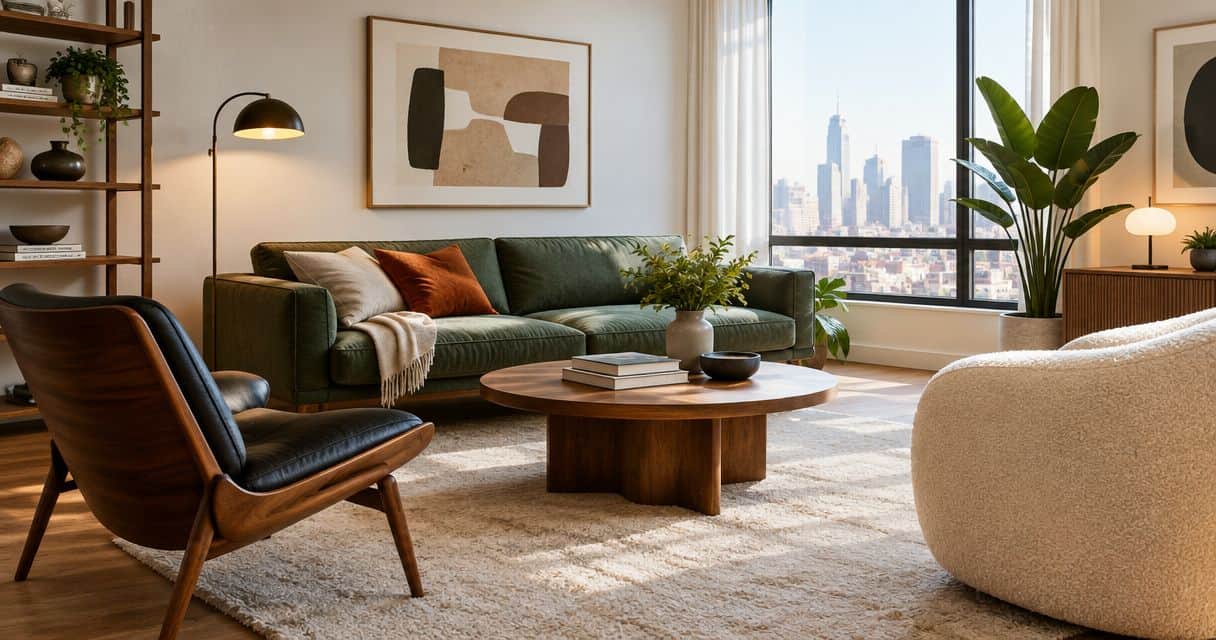
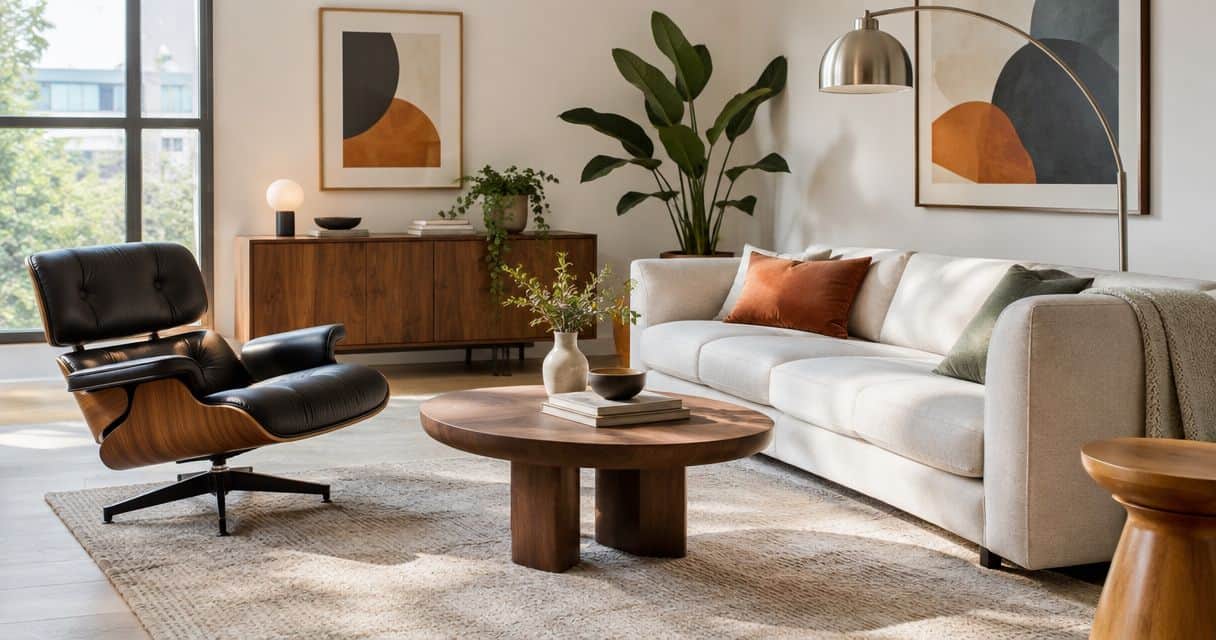
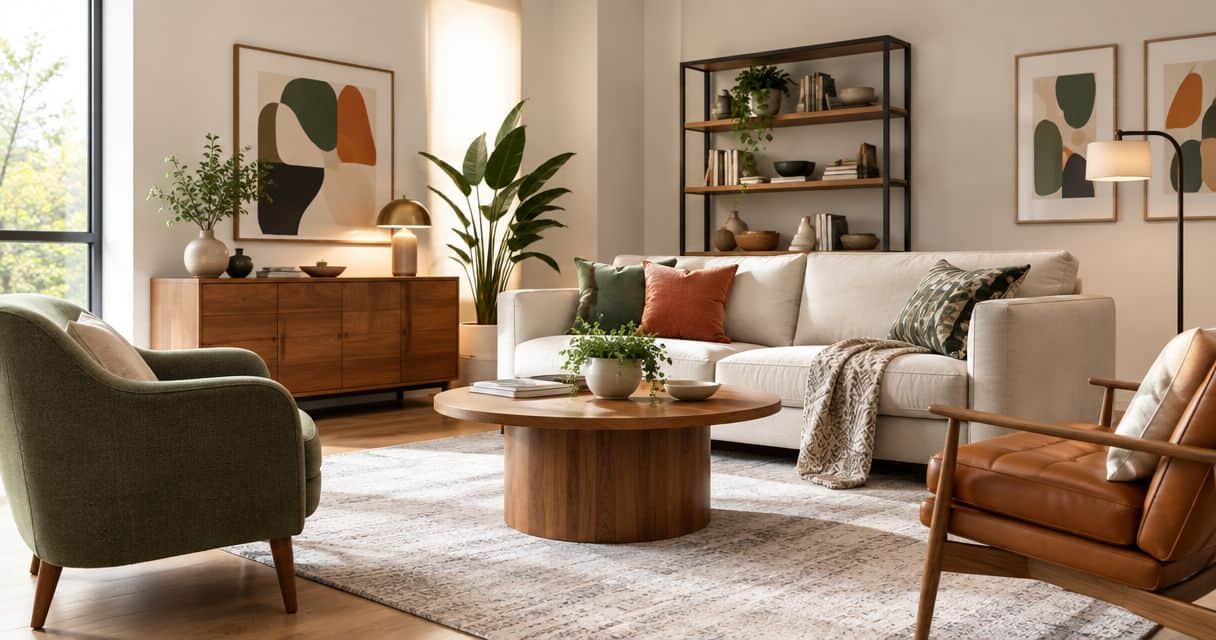
Designer Living Room Under $3,000: 2026 Step Guide

Sohnne Design Studio
July 24, 2026
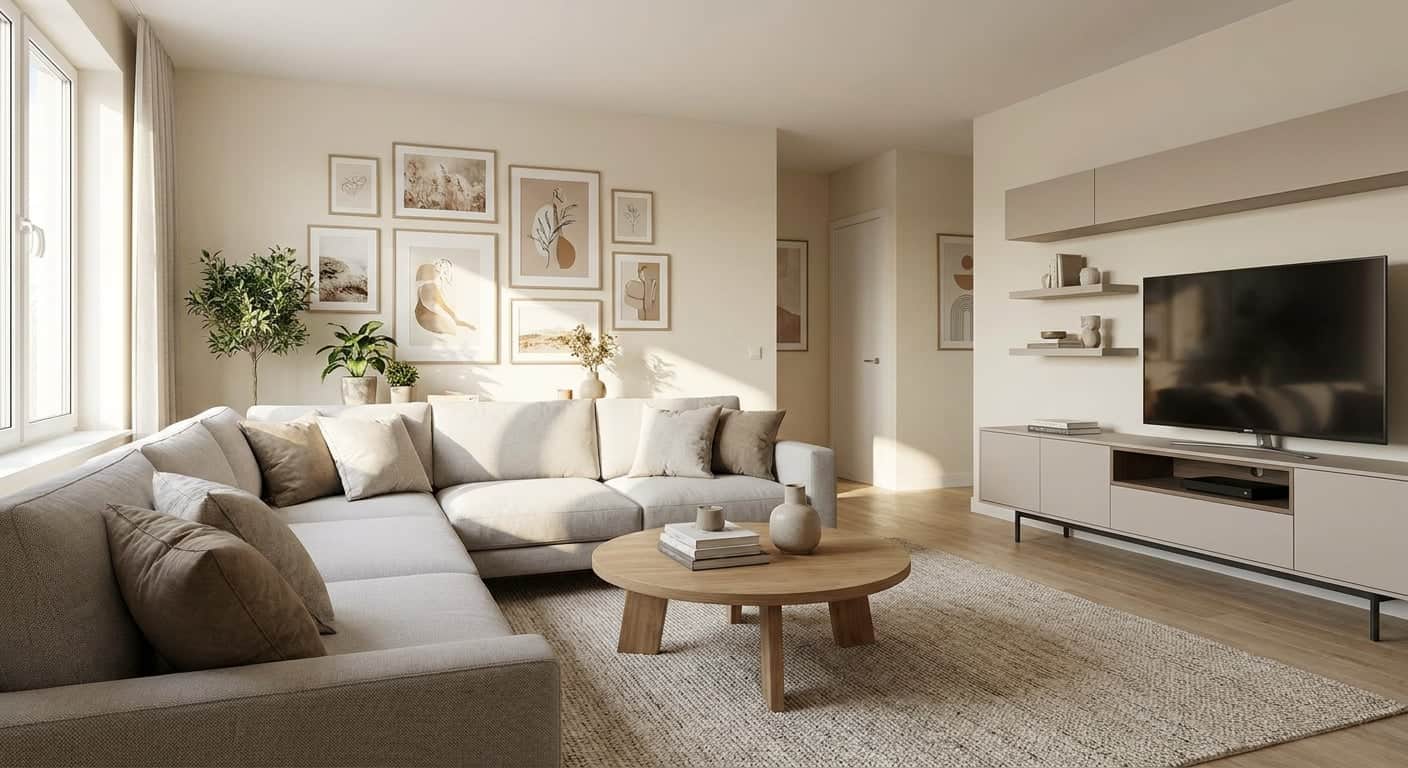
Furnishing a full living room with designer-grade pieces sounds like a $10,000 problem until you split the room into six purchases instead of one big splurge. This guide walks through the exact sequence — anchor piece first, layering pieces last — to land a designer living room under $3,000 in 2026 without the room looking assembled from a clearance rack.
TL;DR- A designer living room under $3,000 in 2026 works when the sofa gets 40-45% of budget and everything else fills in around it.
- Sohnne’s replica sofas and lounge chairs hit 1:1 original dimensions, so scale problems in small rooms come from layout, not the furniture.
- Skip full-price coffee tables from big-box retailers — a well-chosen replica accent piece covers the same footprint for less.
- Sequence matters: sofa, then rug, then lounge chair, then coffee table, then lighting, then accents — in that order, not all at once.
Why this matters
Most living rooms fail on sequencing, not budget. People buy a coffee table they love, then a sofa that doesn't match its scale, then a rug that's too small for either — and $3,000 disappears on furniture that never reads as a set.
A designer living room under $3,000 is achievable in 2026 because mid-century modern replica furniture closes the gap between museum-piece design and retail pricing without cutting corners on dimensions or materials. The trick is treating the room as a system: one anchor, one contrast, one grounding layer, then finishing touches. Skip the sequence and even a generous budget produces a room that looks like six separate purchases.
What you'll need
- A tape measure and painter's tape to mock up furniture footprints on the floor before buying anything
- A fixed budget split across categories — sofa, rug, lounge chair, coffee table, lighting, accents
- A photo of your room in natural daylight, taken at eye level from the doorway
- One sofa replica under $2,000 shortlisted as your anchor piece
- A neutral or textured rug at least 8×10 for a standard living room
- One accent lounge chair budgeted separately from the sofa
The steps
1. Set your category budget before you shop
Splitting a flat number into categories stops overspending on the first thing you fall in love with. For a $3,000 total, a workable split looks like: sofa $1,200-$1,400, rug $200-$300, lounge chair $500-$700, coffee table $250-$400, lighting $150-$250, and $200-$300 left for accents like throws, pillows, and a side table.
Write the split down before you open a single browser tab. Common mistake: shopping the sofa and coffee table together — you'll anchor to the coffee table's price and undershoot the sofa, which does 60% of the visual work in the room.
2. Choose the anchor sofa first
Everything else in the room gets scaled against the sofa, so it has to be locked in before any other purchase. Look at designer sofa replicas built to 1:1 original dimensions — a mid-century silhouette in a 78-84 inch length works for most living rooms without swallowing the space.
Measure your room's longest open wall and subtract 24 inches on each side for walking clearance. That's your real sofa-length ceiling, not the number that looks good in a showroom photo. Common mistake: buying a sofa that's technically the right length but too deep for the room, which crowds the coffee table zone.
3. Pick a rug that grounds the whole layout
A rug under $300 does more to make a room look designed than a $600 coffee table, because it's the largest single surface tying furniture together. Size the rug so the front legs of the sofa and any chairs sit on it — a rug that only the coffee table touches reads as an afterthought, not a floor plan.
For a standard 12×14 living room, an 8×10 rug is the floor. Anything smaller floats the furniture and makes the whole layout look temporary. Common mistake: choosing a busy pattern rug when the sofa fabric already has texture — pick one dominant texture per room, not two.
4. Add one accent lounge chair for contrast
One chair in a different silhouette than the sofa creates the layered look designers charge for, and it costs less than a second sofa. Budget $500-$700 here and look for replica accent chairs under $500 if the sofa ate into the higher end of its range.
Place the chair at an angle to the sofa, not facing it head-on across the coffee table — that 15-20 degree offset is what separates a showroom arrangement from a lived-in room. Common mistake: buying a second chair to match the first. One accent chair reads as curated; two identical chairs read as a matched living room set from 1998.
5. Choose a coffee table that respects sofa height
Coffee table height should sit within 1-2 inches of the sofa seat cushion height, which for most mid-century sofas lands the table around 16-18 inches. Go lower and drinks become a reach; go higher and the table competes with the sofa arm.
Budget $250-$400 here — this is the category where a replica table with real materials (marble, solid wood, blackened steel) outperforms a big-box laminate table at a similar price point. Common mistake: an oversized coffee table chosen for storage instead of proportion. In a small-to-mid living room, the table should take up no more than a third of the open floor space between seating.
6. Finish with lighting and accents
One floor lamp beside the accent chair and a table lamp on a side table do more for evening ambiance than overhead lighting ever will, and this category is where the last $150-$250 of a designer living room under $3,000 goes furthest. Layer two light sources at different heights instead of one bright overhead fixture.
Throw pillows and a throw blanket in a texture that isn't already in the sofa or rug close the loop. Common mistake: matching pillow fabric to the sofa exactly — pick a complementary texture instead, like bouclé against a leather sofa, to avoid a flat, single-material room.
Troubleshooting
- The sofa looks too big once it's in the room. Measure again with the sofa's actual depth, not just length — depth is what makes a sofa feel oversized in photos that looked fine online.
- The room still looks unfinished after all six purchases. Check for a missing grounding element — usually the rug is too small or the lighting is all overhead with no lamps at seating height.
- Colors clash once everything's in place. Anchor the palette to the rug, not the sofa — rugs are harder to return and easier to build a palette around.
- Budget ran out before lighting and accents. Cut the coffee table budget first, not the lounge chair — a smaller or simpler table is less noticeable than skipping the contrast chair entirely.
- The accent chair fights with the sofa instead of complementing it. Pull the chair's fabric or leather tone from the same warm or cool family as the sofa, even if the silhouette differs.
- The room photographs well but feels off in person. Check floor clearance — 30 inches of walking space between furniture pieces is the minimum for a room to feel comfortable rather than staged.
Tools and resources
- Tape measure, painter's tape, and a floor plan sketch (even a rough one) before ordering anything
- Sofa replicas under $2,000 for the anchor piece
- Accent chairs under $500 for the contrast seat
- A guide on mixing replica furniture with vintage pieces if you already own one or two heirloom items you want to keep in the room
- Affirm financing, where available, to spread the $3,000 across a payment schedule instead of one lump purchase
What to do next
Once the six categories are filled, live with the room for two weeks before adding anything else. A designer living room under $3,000 in 2026 succeeds because every piece was chosen against a fixed budget and a fixed sequence — resist the urge to add a seventh purchase before the room has settled.
FAQ
Can you really build a designer living room under $3,000 in 2026?
Yes, by splitting the budget across sofa, rug, lounge chair, coffee table, lighting, and accents instead of spending it all on one statement piece. The sofa should take 40-45% of the total, leaving room for the pieces that make the space read as designed.
How much should the sofa cost in a $3,000 living room budget?
Budget $1,200-$1,400 for the anchor sofa, which is roughly 40-45% of a $3,000 total. Spending more here usually means cutting the rug or lighting budget, which are what make a room look finished.
What’s the right coffee table height for a mid-century sofa?
Coffee table height should sit within 1-2 inches of the sofa’s seat cushion, typically 16-18 inches for most mid-century designs. Going lower makes drinks a reach; going higher competes visually with the sofa arm.
Is replica furniture good enough for a designer living room?
Replica furniture built to 1:1 original dimensions with real materials like leather, marble, and solid wood delivers the same proportions and durability as the pieces they reference. The gap in 2026 is mostly price, not construction quality, when the replica maker manufactures in-house.
Should the rug or the sofa be chosen first?
The sofa comes first because every other piece in the room is scaled against it, including the rug size. Choosing the rug first often leads to a sofa that’s the wrong length for the space it’s meant to anchor.
How big should the rug be under an 8-foot sofa?
An 8×10 rug is the minimum for a standard living room so the front legs of the sofa and any chairs sit on it. Anything smaller makes the furniture look like it’s floating rather than grounded in the layout.
What’s the biggest mistake people make on a furniture budget under $3,000?
Buying the coffee table or an accent piece before locking in the sofa, which anchors the scale and color palette for everything else. This usually leaves the sofa budget too thin for a piece that can carry the room.
Can one accent chair really replace a second sofa in a small living room?
Yes, one contrast lounge chair placed at a 15-20 degree angle to the sofa creates the layered look of a designed room at a fraction of a second sofa’s cost. Two matching chairs tend to read as a dated furniture set instead.
One last thing
The single biggest lever in a designer living room under $3,000 isn't the sofa — it's the rug size. A room with a modest sofa and an 8×10 rug that actually anchors the seating reads more finished than a room with an expensive sofa floating on a rug two sizes too small.
Related guides
Stay connected with us!
Keep in touch with what’s new and next. Subscribe for weekly insights, product launches, and community news!