How to Mix Replica Furniture With Vintage (2026 Guide)

Sohnne Design Studio
July 23, 2026
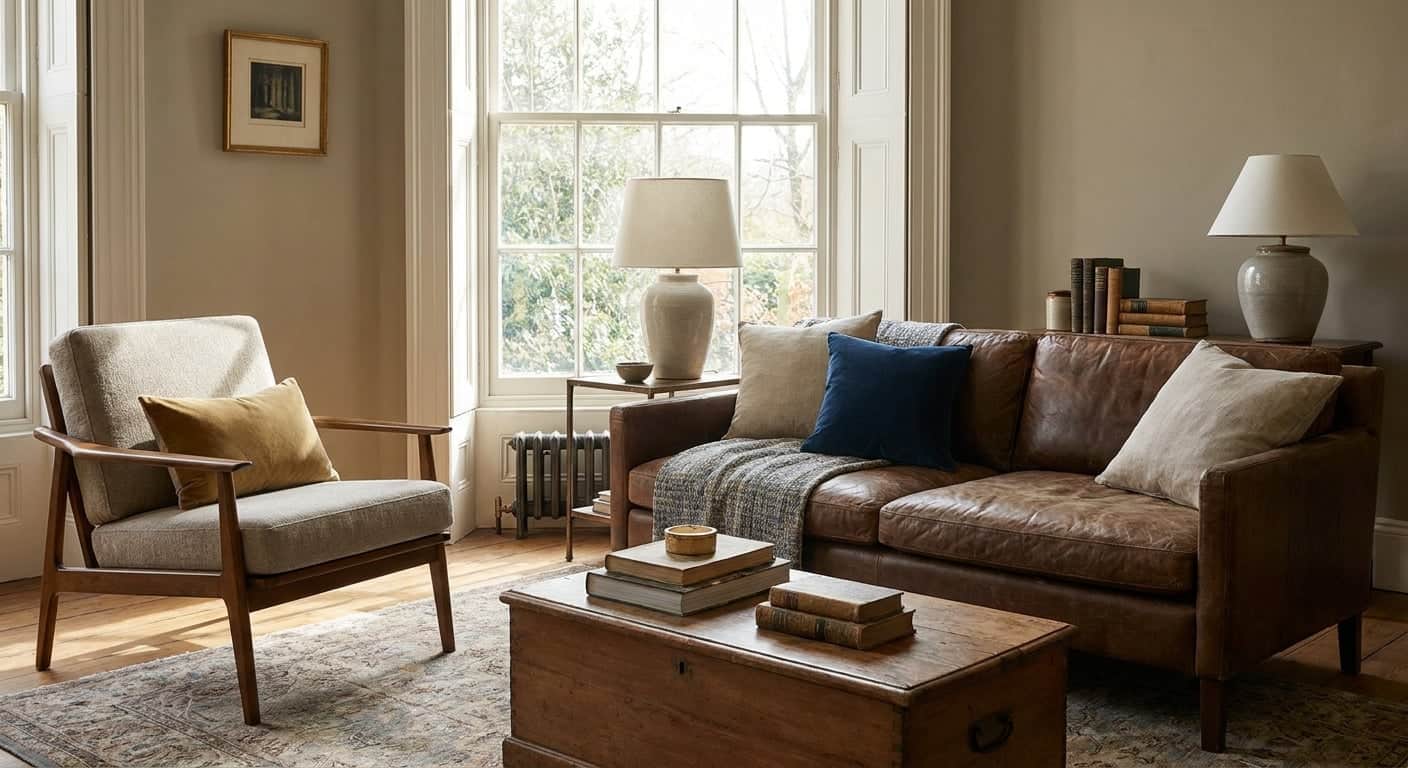
Mixing replica furniture with vintage pieces is less about matching eras and more about controlling three variables: scale, material, and patina. Get those right and a 2026-made replica sits next to a 1962 find without either piece looking staged.
TL;DR- Anchor the room with one true vintage piece, then build replica furniture around its scale and material.
- Match wood tones within one shade family instead of forcing an exact era match.
- One 1:1 replica lounge chair plus one worn vintage side table reads more authentic than five matched pieces.
- Skip glossy laminate replicas next to raw vintage teak; the sheen mismatch is the top styling mistake in 2026 living rooms.
- Sohnne factory-made replicas hold true dimensions, which makes scale-matching to vintage finds easier to calculate.
Why this matters
A room full of only vintage pieces looks like a shop that never sold anything. A room full of only replicas looks like a catalog page. The mix is what makes a space feel collected instead of decorated.
Designers have leaned on this trick for decades: one irreplaceable original or well-aged vintage find, surrounded by furniture that does the daily work without the fragility or the price tag of the real thing. Sohnne exists in that gap: 1:1 dimension replicas of pieces like the Eames Lounge or the Wishbone Chair, built to sit next to a scratched mid-century sideboard from an estate sale without looking like they are trying too hard.
The skill is not taste. It is sequencing: what you buy first, what you measure against, and what you are allowed to skip.
What you'll need
- One true vintage anchor piece — a table, cabinet, or chair with visible age (patina, brass hardware, solid wood grain)
- A tape measure and the exact dimensions of your room, doorways, and existing furniture
- A material palette — pick two, max three, materials you repeat across old and new (walnut and brass, or oak and boucle)
- Fabric or finish swatches if you are custom-ordering a replica sofa or chair
- Patience — this is a slow-build project, not a one-day room reset. Budget 2-4 weeks if you are sourcing vintage locally
- Before you commit to a replica supplier, run their pieces through a quality check. The gap between a good and a bad replica shows up fastest next to a real vintage piece. This breakdown of what to check before buying replica furniture covers the specifics.
The steps
1. Pick one hero piece and build around it
Choose the single vintage piece you are most attached to: a teak credenza, a brass floor lamp, a leather club chair with real wear. This piece sets your material and color direction for everything else.
Do not buy anything new until this piece is placed in the room. Everything else answers to it. Common mistake: buying the replica sofa first, then trying to find vintage pieces that go with it. This reverses the hierarchy and the room ends up looking retrofitted.
2. Match era, not exact style
A 1958 Danish teak table and a 2026 replica of a 1960s Italian lounge chair share a design language even though they come from different countries and different designers. That is the match that matters, not brand, not exact year.
Aim for pieces within a 15-20 year design window. A strict mid-century pairing works well here; see this guide to replica furniture for mid-century modern apartments for pieces that share that era without forcing an exact match.
3. Balance material weight and finish
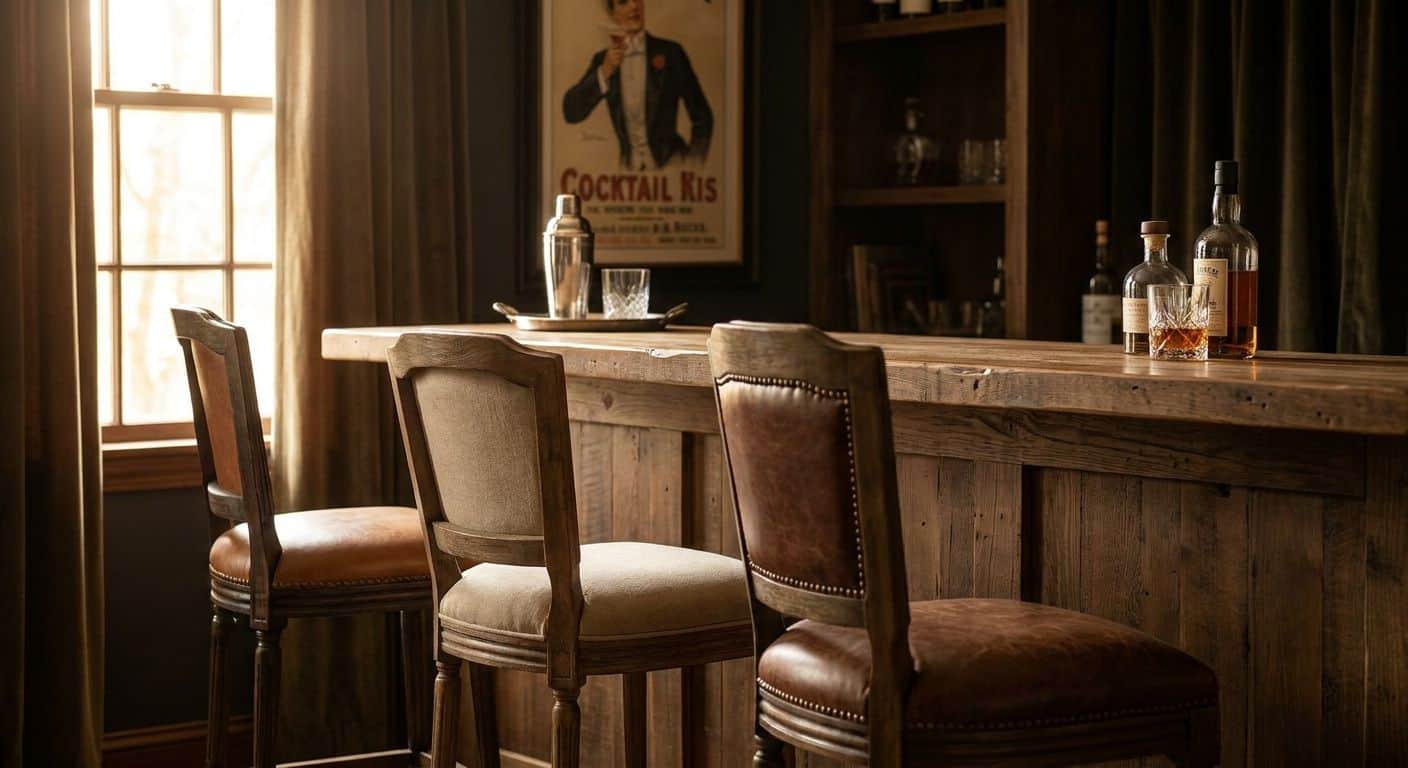
Vintage wood almost always has more visual weight than new wood. Decades of oxidation darken grain and dull sheen. If your replica piece has a glossy factory finish, it will visually fight a matte, aged vintage piece in the same room.
Look for replica lines offered in a matte or oiled finish rather than high-gloss lacquer when pairing with vintage wood. This single choice prevents the new-versus-old clash before it starts.
4. Use vintage for texture, replica for structure
Vintage pieces are best deployed where texture and history show: side tables, lighting, small case goods, rugs. Replica pieces do their best work in structural roles: sofas, dining tables, lounge chairs, where dimensional accuracy and durability matter more than surface wear.
This division solves two problems at once. It protects fragile vintage upholstery from daily use, and it means your big-ticket structural pieces come with a 5-year warranty instead of an unknown repair history.
5. Repeat one material across old and new
Pick a single material — brass, walnut, black steel — and make sure it shows up in at least two pieces across your vintage and replica selections. Repetition is what makes a room feel curated instead of coincidental.
Expected outcome: your eye moves around the room and keeps landing on the same material cue, which reads as intentional even when the pieces were bought six months apart.
6. Test scale before you buy
Measure your vintage anchor piece height, depth, and width, then check any replica candidate against those numbers before ordering. A replica lounge chair that is 2 inches taller than your vintage side table looks mismatched even if the styles are compatible.
Common mistake: trusting a product photo proportions instead of the listed dimensions. Photos compress depth and inflate scale constantly.
7. Leave room to edit
Do not fill the room in one pass. Leave one empty corner or one bare wall for six months. You will find another vintage piece, and if the room is already full, it has nowhere to go.
This step is the one most people skip, and it is the reason showroom-perfect rooms from move-in day start looking cluttered by month three.
Troubleshooting
The room still looks like a showroom. You likely have too many pieces from the same finish family. Swap one replica for a vintage piece with visible wear — a scuffed leg, a slightly faded fabric — to break the uniformity.
Wood tones clash across pieces. Stick to warm-toned woods (walnut, teak, oak) or cool-toned woods (ash, beech). Do not mix both families in one sightline. Refinishing one piece to match is often cheaper than replacing it.
The vintage piece feels fragile next to sturdier replicas. That is normal. Vintage joinery ages differently than factory-controlled 2026 manufacturing. Keep daily-use furniture in replica form and reserve vintage for lower-traffic roles.
Scale mismatch after delivery. This happens when dimensions were not checked against the room. Return within your window if the retailer offers one; Sohnne 60-day return policy covers exactly this kind of miscalculation.
Everything matches too perfectly. Pull one piece out. A room with zero tension between old and new usually means you bought a matched set instead of a mix.
Tools and resources
- How to verify quality before buying replica furniture — the checklist to run before any replica purchase
- A local vintage or estate sale directory for your region; Facebook Marketplace and 1stDibs cover most U.S. metros
- A tape measure, painter's tape, and paper cutouts to mock up floor plans before furniture arrives
- Fabric and wood swatch kits from your replica retailer, ordered before final purchase
- Sohnne's guide to choosing a replica sofa that lasts if your structural piece is a sofa rather than a chair
What to do next
Once your anchor piece and first replica are placed, the next decision is usually the sofa or the dining table, the two pieces that anchor daily use. Read through the guide on choosing a replica sofa that lasts before that purchase; it covers frame construction and fabric durability specific to daily-use furniture, which matters more once a vintage piece is already absorbing the character load of the room.
FAQ
Can you mix replica furniture with real vintage pieces?
Yes. Mixing replica furniture with vintage pieces is a standard interior design approach in 2026. The key is matching material, finish, and scale rather than exact brand or year, so the pieces share a visual language even if their origins differ by decades.
What’s the best ratio of vintage to replica furniture in a room?
One vintage anchor piece to two or three replica pieces works for most living rooms. Too much vintage risks a cluttered, shop-like feel; too much replica risks a showroom look with no texture.
Does mixing replica and vintage furniture look cheap?
No, as long as material and finish are coordinated. A mismatched sheen or clashing wood tone is what makes a mixed room look off, not the mix itself. A matte-finish replica next to an aged vintage piece typically reads as intentional.
Should vintage or replica furniture be the statement piece?
The vintage piece usually works best as the statement, since its age and wear carry visual weight that new furniture cannot replicate. Replica furniture should handle structural, daily-use roles like sofas and dining tables.
How do you match wood tones between vintage and replica pieces?
Stay within one warm or cool wood family: walnut and teak together, or oak and ash together, rather than mixing both. Refinishing a mismatched piece is usually cheaper than replacing it.
Is it worth buying a replica if you already own vintage furniture?
Yes, if the vintage piece is fragile or one-of-a-kind. A replica handles daily wear and comes with a warranty, while the vintage piece stays reserved for lower-traffic use. This protects the original from the damage daily use causes.
What replica furniture pairs best with mid-century vintage pieces?
1:1 dimension replicas of era-appropriate designs: lounge chairs, sofas, and case goods from the same 15-20 year design window as your vintage piece. Matching design language matters more than matching exact decade.
How long does it take to build a mixed vintage and replica room?
Most rooms take 2-4 weeks minimum if sourcing vintage locally, longer if waiting for the right find. Rushing the vintage anchor piece is the most common reason mixed rooms feel unfinished.
One last thing
The rooms that age well are not the ones bought in a single order. They are the ones with one piece that predates everything else in the space by 40 or 50 years. That is the piece that gives a 2026 replica sofa permission to look intentional instead of new.
Related guides