Tired Man Lounge Chair Replica 2026: Where to Put It

Sohnne Design Studio
July 24, 2026
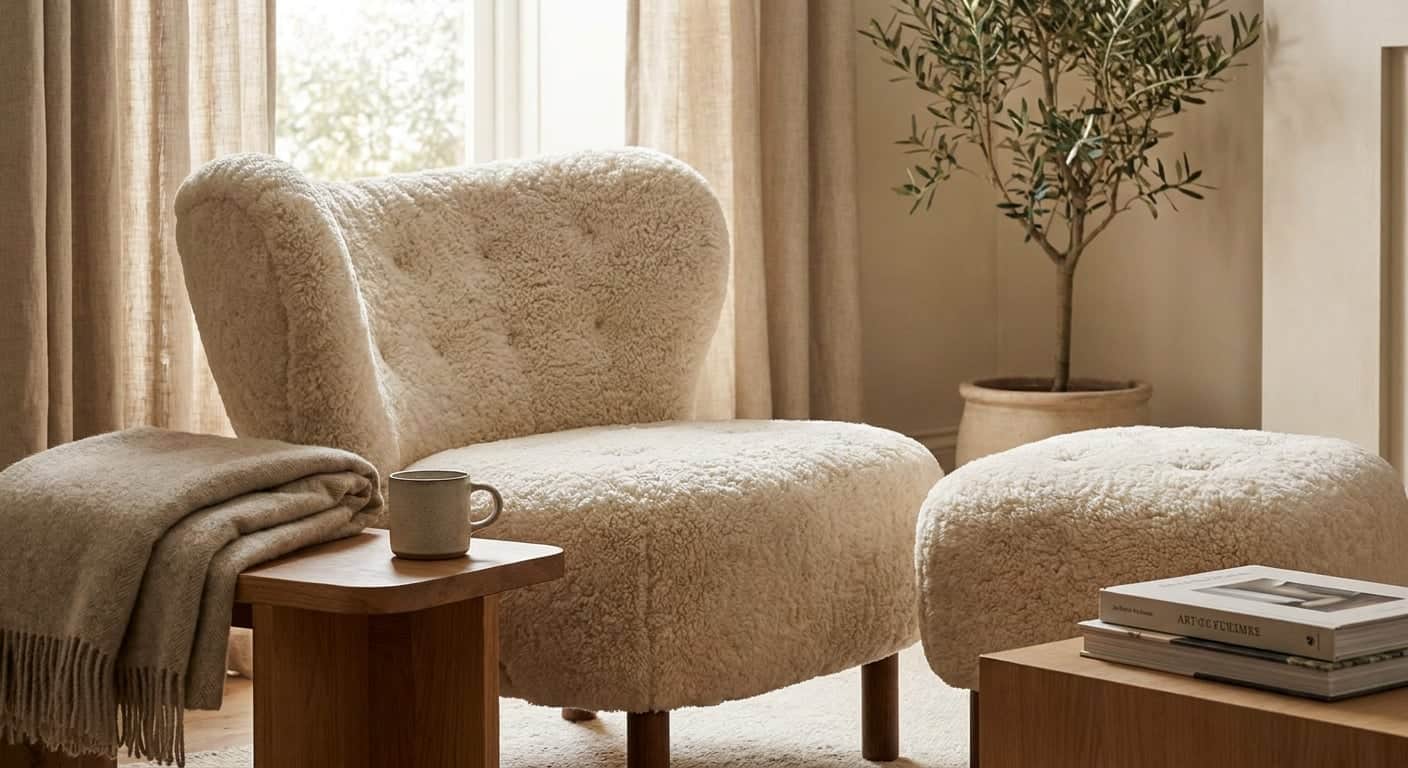
The Tired Man lounge chair and ottoman replica is a low, tufted leather seat built for exactly one job: making a corner feel finished without eating the room. Not every room deserves it, and this guide sorts out which ones do for 2026.
TL;DR- The tired man lounge chair replica wins in reading nooks and sunrooms — buy for those.
- The ottoman needs 30+ inches of clearance to swing out; measure the corner before you order.
- Leather upholstery suits dry rooms; look at alternate covers for humid sunrooms.
- In studio apartments, buy only if the chair anchors the room instead of fighting the sofa for attention.
- Skip it as the sole seat in an open-plan living room — it reads as an accent, not an anchor.
Why this matters
Flemming Lassen designed the original Tired Man chair in 1935 for a competition literally themed around exhaustion — low seat, deep recline, an ottoman that does half the resting work. That brief still shapes how the replica behaves in a room today. It's not a sofa substitute and it's not a desk chair. It's a single-purpose lounge piece, and putting it in the wrong spot is the most common styling mistake buyers make in 2026.
Ergonomics matter here too. A seat this low changes how your neck and shoulders sit against the back cushion, which is worth understanding before you buy — see choosing a lounge chair for neck support if that's a factor for you. Get the room pairing wrong and you'll notice it in your back before you notice it in your decor.
Who this is for
This guide is for someone who already wants a Tired Man lounge chair replica and needs to know where it goes — not whether to buy one. You've got a reading corner, a sunroom, a studio, a bedroom nook, or a home office in mind, and you want a straight answer on fit before the chair and ottoman show up at your door. If you're still comparing lounge chair designs generally, this isn't the piece for you; it's a room-fit decision tool for people who've already picked the Tired Man.
What to look for in a Tired Man lounge chair replica for your room
Seat height and recline angle
Tired Man chairs sit low, typically 15 to 16 inches at the seat, with a back that reclines further than a standard armchair. That height works against a taller side table or reading lamp — measure your existing pieces before you assume they'll match. A chair that sits too low next to a standard-height table looks orphaned, not intentional.
Ottoman proportions relative to the chair
The ottoman should read as a matched pair, not an afterthought stool. If the ottoman is undersized next to the chair's tufted bulk, the whole pairing looks mismatched in photos and in person. Check the ottoman width against the chair's seat width before buying — a gap of more than a few inches breaks the visual line.
Swivel base clearance
Most Tired Man replicas use a swivel base, which means the chair rotates and the ottoman needs room to follow. Leave at least 30 inches of clearance in front of the pairing so the ottoman can shift with the chair without hitting a wall, a rug edge, or a console table.
Upholstery fit for the room's climate
Leather is the traditional cover and it looks right on this silhouette, but leather in a humid sunroom or a rarely-ventilated space will age differently than leather in a dry living room. Match the upholstery to the room's actual humidity, not just the room's aesthetic.
Wood tone match to existing furniture
The wood base and legs on this style read as a design statement on their own. Pairing a dark walnut base with lighter oak flooring or a mismatched coffee table undercuts the effect — check tone against your existing pieces, not just against a product photo.
Footprint versus traffic flow
A chair-and-ottoman pairing this size needs a dedicated footprint, roughly a 6 by 6 foot zone once you include swivel clearance. Rooms with heavy foot traffic through that zone will make the pairing feel like an obstacle instead of a destination.
Top picks by room
The quiet anchor — reading nook. One spec that matters: nooks under 80 square feet still work if the ottoman clearance is respected. This is the pairing the original 1935 brief was built for — a single seat, a footrest, good light, nothing else competing for attention. See reading nook lounge chairs for layout specifics. Buy.
The bright wildcard — sunroom. One spec that matters: direct sun exposure for 4+ hours a day changes how leather ages versus a shaded room. The low profile and tufted leather read as intentional against glass and greenery, but the upholstery choice needs to match the light exposure. Full layout notes are in sunroom lounge chairs. Buy, with the right cover.
The space-tight test — studio apartment. One spec that matters: in a studio under 500 square feet, the pairing only works if it's the room's single seating statement, not a second seat competing with a sofa. Pull double duty as the studio's main lounge spot and it earns its footprint; add it as a third chair and it clutters the room. Details on making a studio's furniture count are in studio apartment furniture. Consider.
The bedroom corner. One spec that matters: bedroom corners need at least a 4 foot gap from the bed frame so the ottoman doesn't become a nightstand collision. It works as a reading spot separate from the bed, but only in bedrooms with enough square footage to keep the two zones distinct. Consider.
The home office. One spec that matters: desk chairs and the Tired Man's recline angle serve opposite purposes, so this pairing only works as a secondary reading seat, never as the primary desk chair. In a home office under 120 square feet, it usually crowds the desk more than it adds function. Skip, unless the office has a separate lounge corner.
What to avoid
- Open-plan living rooms as the sole seat. The Tired Man reads as an accent piece, not a sofa replacement — pairing it alone in a large open-plan living area leaves the room looking unfinished.
- Tight apartments without measured clearance. A chair that looks compact in photos still needs the full 30-inch swivel radius; skip it if you haven't measured the actual floor space.
- High-humidity rooms with leather covers. Leather in a poorly ventilated sunroom or basement will crack and discolor faster than leather in a climate-controlled living room.
Room fit at a glance
| Room | Clearance needed | Upholstery fit | Verdict |
|---|---|---|---|
| Reading nook | 30 in swivel radius | Leather, any climate | Buy |
| Sunroom | 30 in + shade check | Leather with UV cover or alt fabric | Buy |
| Studio apartment | 6×6 ft dedicated zone | Leather, low-traffic corner | Consider |
| Bedroom corner | 4 ft from bed frame | Leather, dry room | Consider |
| Home office | Separate lounge zone only | Leather, secondary seat | Skip |
FAQ
Is the tired man lounge chair replica good for small rooms?
It works in small rooms under 500 square feet if it’s the room’s only major seat and the ottoman has 30 inches of swivel clearance. In cramped studios with a sofa already present, it usually crowds the space instead of completing it.
What room does a Tired Man lounge chair replica work best in?
Reading nooks and sunrooms are the strongest fits for 2026, since the chair’s low seat and recline angle are built for a single dedicated reading spot rather than group seating.
Does the ottoman need to match the chair exactly?
The ottoman should match the chair’s seat width closely — a gap of more than a few inches makes the pairing look mismatched instead of intentional.
Is leather or an alternate cover better for a sunroom?
Leather looks right on this silhouette but ages faster under 4+ hours of direct sun exposure a day; a UV-rated leather treatment or an alternate cover holds up better long-term.
How much floor space does a Tired Man chair and ottoman need?
Plan for roughly a 6 by 6 foot dedicated zone once you include the 30-inch swivel clearance the base and ottoman need to move together.
Can it work as a desk chair in a home office?
No — the recline angle is built for lounging, not desk work, so it functions better as a secondary reading seat in an office with a separate lounge corner.
What year was the Tired Man chair originally designed?
Flemming Lassen designed the original in 1935 for a Danish design competition themed around a chair for an exhausted worker, which is why the seat sits low and the ottoman is built into the design brief.
Does the wood base need to match my flooring?
It doesn’t have to match exactly, but a dark walnut base against very light oak flooring or a mismatched coffee table undercuts the design statement — check tone before buying.
One last thing
The detail buyers skip most often: the swivel base means the ottoman moves independently of a fixed footrest, so it needs its own floor space even when the chair itself isn't rotating. Measure for the ottoman's resting position and its swung-out position separately — most fit complaints trace back to only measuring one.
Related guides
Stay connected with us!
Keep in touch with what’s new and next. Subscribe for weekly insights, product launches, and community news!