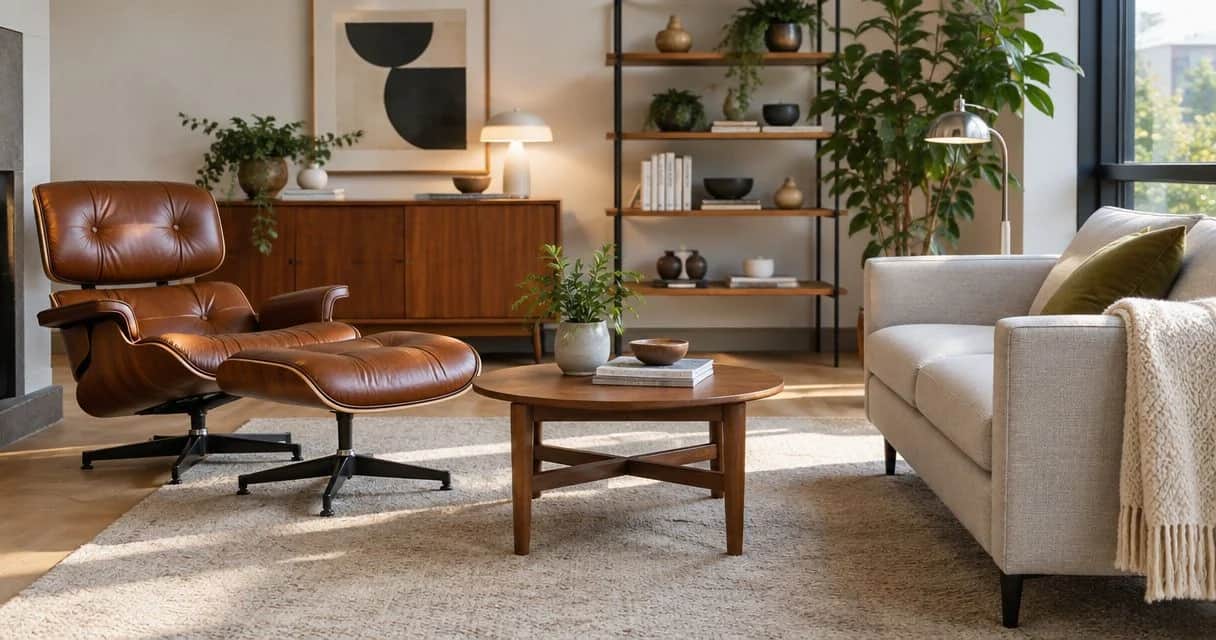
Durable Sofa Finish for High-Traffic Homes: 2026 Guide

Sohnne Design Studio
August 5, 2026
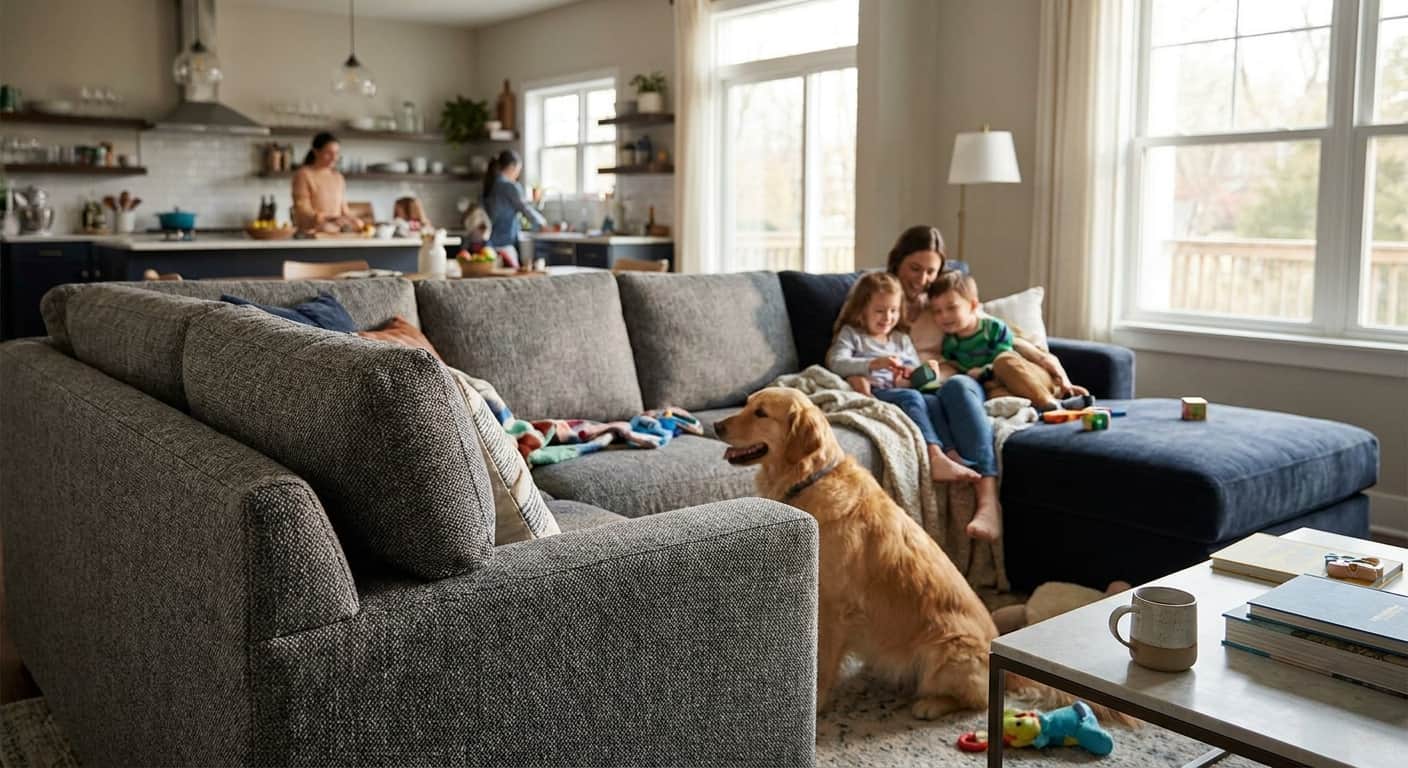
A high-traffic household — kids, dogs, weekend guests, someone who eats dinner on the couch four nights a week — needs a sofa finish chosen for abrasion resistance and stain recovery, not just color. This guide walks through the fabric and leather choices that hold up in 2026 and the ones that look fine in the showroom and fall apart by year two.
TL;DR- Performance weaves rated above 30,000 double rubs handle daily use better than linen or silk blends.
- Top-grain leather resists scratches from pets and kids; bonded leather cracks within 2-3 years of heavy use.
- A durable sofa finish for a high-traffic home means matching fiber content to your actual traffic, not the showroom sample.
- Dark, textured fabrics hide wear and crumbs far longer than pale solids or smooth velvets.
- Order a swatch before you buy — abrasion ratings on a tag don’t tell you how a color hides stains.
Why this matters
A sofa finish is the fabric or leather stretched over the frame, and it's the single biggest factor in how a piece looks after 18 months of real use. Two identical frames with different upholstery age at completely different rates once kids, pets, or a rotating cast of guests enter the picture.
Sohnne builds its frames to a 5-year warranty standard, but the finish you pick still does most of the work of surviving daily wear. Choosing between leather vs fabric replica sofas early in the process saves you from re-upholstering or replacing a piece inside three years.
What you'll need
- A rough traffic estimate: number of kids, pets, and weekly guest sittings
- The abrasion rating (double rubs or Martindale cycles) for any fabric you're considering
- A fabric swatch, not just a photo — texture and color hide wear differently in person
- A stain-repellent or performance-treated option if you have young kids or pets
- 20-30 minutes to compare 3-4 finish options side by side before ordering
The steps
1. Check the abrasion rating before the color
Abrasion resistance is measured in double rubs (the Wyzenbeck test) or Martindale cycles, and it tells you how many rubbing cycles a fabric survives before visible wear. Fabric rated above 30,000 double rubs is considered heavy-duty and suitable for daily household use in 2026; anything under 15,000 belongs in a low-traffic guest room, not a family living room.
Common mistake: picking a fabric because the swatch feels soft, then discovering six months later that the pile has flattened where people actually sit.
2. Match fiber content to your actual traffic type
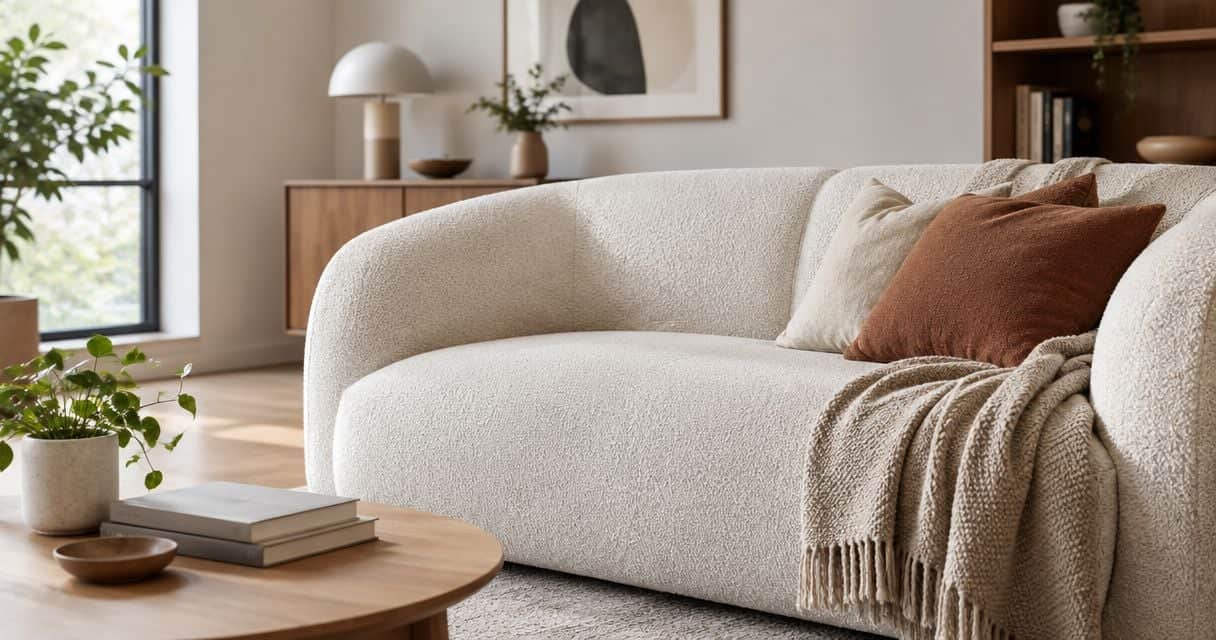
Kids spill, pets scratch and shed, and guests bring outside dirt on their clothes — each traffic type stresses a different weakness in a fabric. A scratch-resistant couch fabric with a tight, low-loop weave resists snags from claws far better than an open bouclé or chenille.
Households with both kids and pets do best with a tightly woven polyester or polyester-blend performance fabric — it resists pilling, sheds less hair, and doesn't snag the way natural-fiber weaves do.
3. Decide between leather and fabric based on maintenance tolerance
Top-grain leather wipes clean in seconds and develops a patina rather than visible wear, which makes it a strong pick for households that want low daily maintenance. Bonded or coated leather looks similar on day one but starts cracking and peeling within 2-3 years under regular use — the surface layer isn't real hide, so it can't take repeated flexing.
Fabric needs more routine care (vacuuming, occasional spot cleaning) but forgives small scratches that would show permanently on a leather surface. If you're leaning toward modular seating for a family room, review modular sofas for families with young children before locking in a finish, since configuration affects which fabrics make sense.
4. Check the weave tightness, not just the fiber name
Two fabrics labeled polyester can perform completely differently depending on weave density. A tight, flat weave sheds crumbs and pet hair on contact; a looser, textured weave traps debris and shows oil stains from skin contact within months.
Run your fingernail across the swatch. If it catches or snags easily, it will catch on kids' zippers and pet claws too.
5. Pick a color and pattern that hides wear
Mid-tone and textured finishes — heathered grays, warm taupes, subtle tweeds — hide crumbs, pet hair, and light staining far longer than pale solids or high-shine velvets. Solid white or cream fabric shows every mark within the first year of daily use in a household with kids or pets.
Dark solids hide dirt but show dust and lint more visibly, so a textured mid-tone is usually the safer 2026 pick for a busy living room.
6. Confirm the care instructions match your actual habits
Every finish comes with a cleaning code — check whether it calls for water-based cleaner, solvent-based cleaner, or dry cleaning only. A household that won't realistically call a professional cleaner twice a year should avoid finishes that require it.
Common mistake: buying a finish rated for professional cleaning only, then using a DIY spot cleaner that sets the stain instead of lifting it.
7. Order a swatch before you commit
A screen photo never shows true texture, sheen, or how a color reads under your room's actual light. Request a physical swatch and test it against a damp cloth, a pen mark, and a pet-hair-covered blanket before ordering the full sofa.
This single step prevents most of the returns tied to finish disappointment rather than comfort or size issues.
See fabric and finish options
Browse Sohnne sofas built with performance-grade upholstery for daily use.
Browse sofasTroubleshooting
- Pet hair embeds in the weave — switch to a tight, flat-weave performance fabric; loose bouclé and chenille trap hair and are harder to vacuum clean.
- Fabric pills after a few months — this is common with loosely spun natural fibers; a fabric shaver handles it, but a tighter synthetic weave prevents it from starting.
- Leather cracks near the seat edge — this usually means the piece is bonded or coated leather, not top-grain; top-grain flexes without cracking under normal use.
- Sun fading on one side of the sofa — rotate cushions monthly and use UV-filtering window film; darker dyes fade less visibly than pale ones.
- Odor absorption from spills or pets — performance-treated fabrics resist odor absorption better than untreated natural fibers like linen or cotton.
- Sagging cushions after 2 years — this is a foam density issue more than a finish issue, but a durable outer fabric at least protects the foam from moisture damage.
Tools and resources
- A physical fabric swatch kit from the retailer before ordering
- A soft-bristle upholstery attachment for your vacuum
- A pH-neutral upholstery cleaner matched to the fabric's care code
- A guide on clean and maintain replica leather furniture if you're leaning leather
- A lint roller and fabric shaver for fabric maintenance between deep cleans
What to do next
Once you've narrowed down a finish, measure your space and confirm seat depth and configuration fit your room before ordering. A finish that survives daily wear only matters if the sofa itself fits the way your household actually uses the room — check seating layout and cushion depth against your traffic patterns, not just the fabric swatch.
FAQ
What is the most durable sofa finish for a high-traffic home in 2026?
Top-grain leather and tightly woven performance polyester are the most durable sofa finishes for high-traffic homes in 2026. Both resist scratches, stains, and daily abrasion far better than natural fibers like linen or silk blends.
Is leather better than fabric for a house with kids and pets?
Top-grain leather wipes clean faster and resists scratches better than most fabrics, making it a strong pick for kids and pets. Fabric forgives small scratches leather would show permanently, so the better choice depends on which flaw bothers you more.
What double rub rating counts as durable for daily use?
A fabric rated above 30,000 double rubs on the Wyzenbeck test is considered heavy-duty and suitable for daily household use. Ratings under 15,000 are better suited to low-traffic guest rooms.
Do dark sofa colors hide stains better than light colors?
Yes, mid-tone and textured colors hide crumbs, pet hair, and light staining longer than pale solids. Very dark solids hide stains but show dust and lint more visibly.
How often should a high-traffic sofa fabric be cleaned?
Vacuum weekly and spot-clean spills immediately; a full deep clean every 6-12 months keeps most performance fabrics looking new. Households with pets should vacuum more frequently to prevent hair from embedding in the weave.
Does bonded leather last as long as top-grain leather?
No, bonded or coated leather typically cracks and peels within 2-3 years of regular use, while top-grain leather develops a patina instead of failing. The surface layer on bonded leather isn’t real hide, so it can’t take repeated flexing.
Is bouclé fabric a good choice for a house with pets?
Bouclé looks appealing but its loose loops snag on pet claws and trap hair, making it a weaker choice than a tight, flat-weave performance fabric for pet households.
What sofa finish requires the least maintenance?
Top-grain leather requires the least routine maintenance since it wipes clean in seconds and doesn’t need vacuuming. Performance fabric needs more regular care but tolerates small scratches that leather would show permanently.
One last thing
The fabric tag with the highest double-rub number rarely wins on looks alone — the durable choice in 2026 is almost always a textured, mid-tone performance weave or a top-grain leather, not the pale linen that photographs best on a showroom floor.
Related guides
Stay connected with us!
Keep in touch with what’s new and next. Subscribe for weekly insights, product launches, and community news!