How to Set Up a Reading Room in 2026: Full Guide

Sohnne Design Studio
August 5, 2026
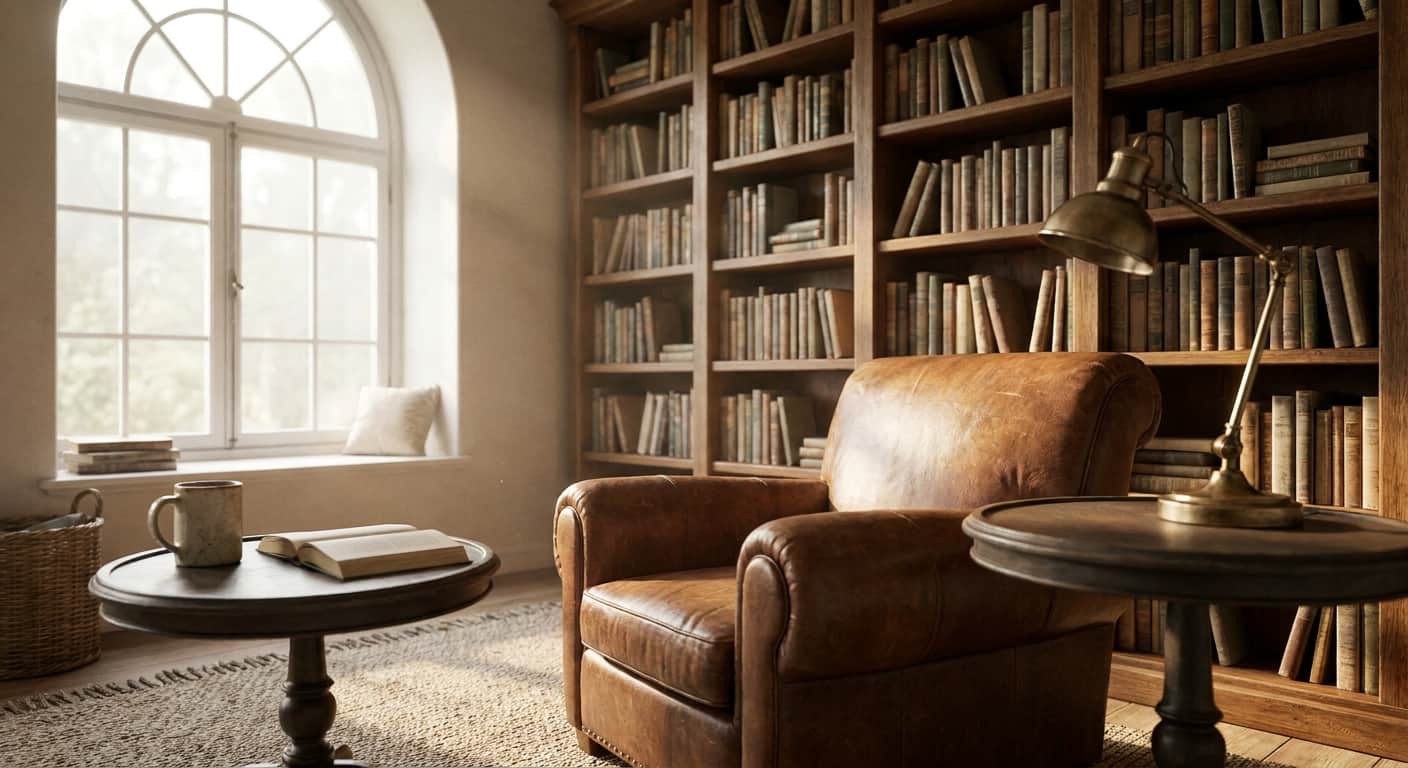
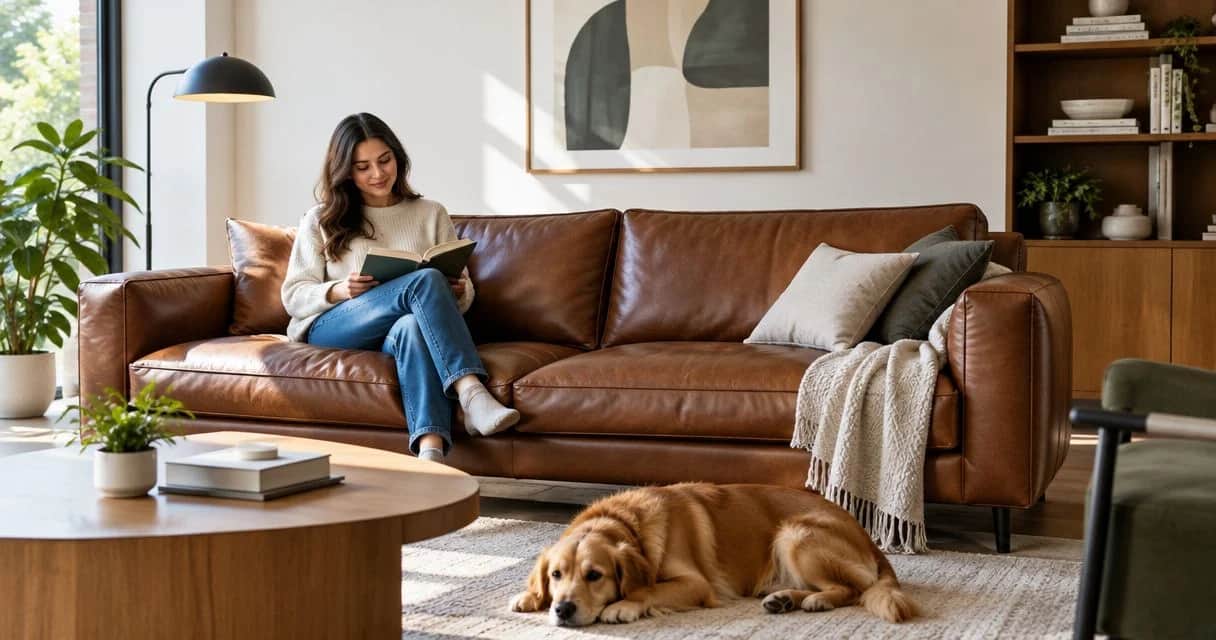
A reading room works when the chair, the light, and the storage are chosen for one job: keeping you seated and reading for an hour without shifting positions. This guide walks through how to set up a reading room from scratch using replica furniture, from picking the corner to fixing the light that's ruining your evenings.
TL;DR- The Ox Chair replica is the safe pick for a reading room in 2026 — deep seat, high back, built for one-hour sits. Buy it.
- Task lighting at 450-500 lumens beats overhead light for reading; a floor lamp beside the chair fixes 90% of glare complaints.
- A reading room needs three zones: seat, light source, and reach-distance storage — skip the fourth chair, it kills the flow.
- How to set up a reading room comes down to sequencing: chair first, light second, storage third, rug last.
Why This Matters
Most home libraries fail for one reason: the chair gets picked for looks before it gets picked for the body. A lounge chair that looks right in a photo but seats you too shallow will get abandoned within three weeks — you'll end up back on the sofa with a neck cramp.
The fix isn't more furniture. It's sequencing. Set the seat, then the light, then storage, then everything else is decoration. In 2026, replica furniture makes this sequence affordable because you get 1:1 dimensioned pieces — a Wegner or Fukasawa silhouette at a fraction of the original list price — without waiting eight weeks for an authorized dealer.
What You'll Need
- One lounge chair with a reclined back angle — the Ox Chair replica is built specifically for reading rooms, with a back pitch that supports the neck without a headrest add-on
- A dedicated light source, not just the room's overhead fixture — the PH Artichoke lamp replica throws directional light without harsh glare on the page
- A small footprint of storage within arm's reach — a shelving unit, not a full bookcase, keeps the room from turning into a library annex
- A side table sized to hold a mug and a stack of three books, no more
- 6-8 feet of clear floor space to place the chair away from a direct wall
- 60-90 minutes for the full setup, longer if you're moving existing furniture out first
The Steps
1. Choose the Corner Before the Furniture
Pick the spot before you shop. A reading corner needs a wall at your back or side (never fully open on two sides — it reads as exposed, not cozy) and access to a window within 6 feet for daylight hours.
North-facing light is more even for reading; south-facing light needs a sheer curtain to cut glare by early afternoon. Common mistake: placing the chair dead-center under a ceiling fixture — that light angle casts a shadow straight onto the page.
2. Anchor the Room with One Statement Lounge Chair
This is the step that decides whether the room gets used. A dining chair or an accent chair borrowed from another room will not survive an hour-long sit — the seat depth is wrong and the back angle is upright, not reclined.
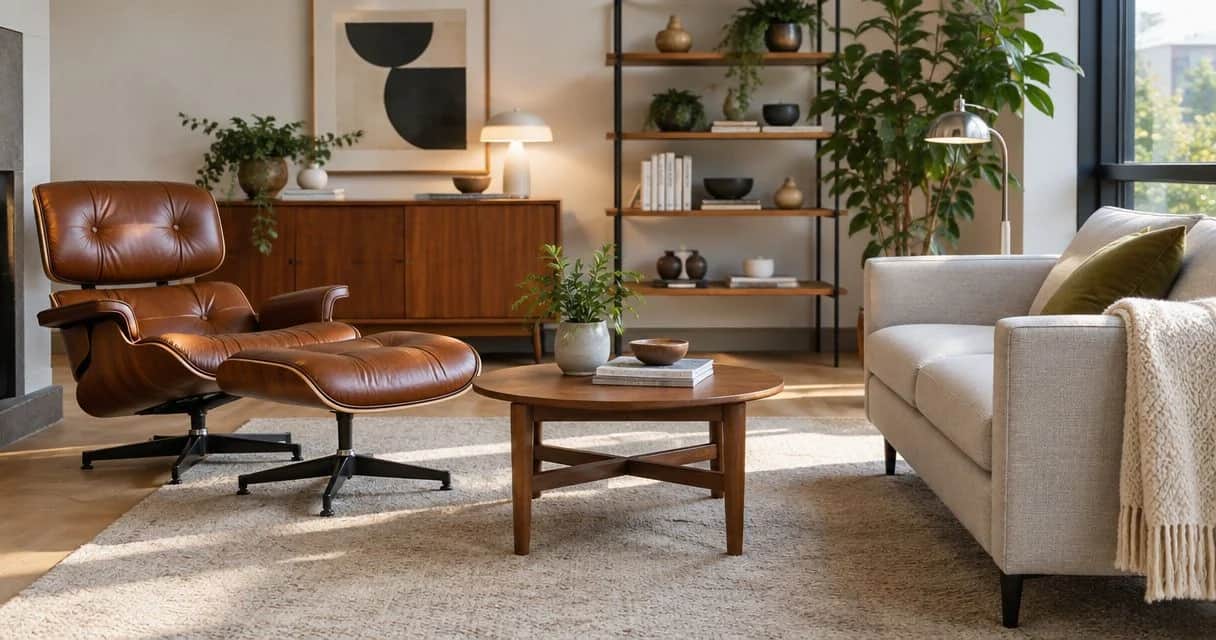
The Ox Chair replica seats at a depth built for pulling your knees up or stretching legs out, and its wingback shape blocks peripheral light without blocking the window view. Verdict: Buy for anyone setting up a dedicated reading corner in 2026 rather than repurposing a spare chair.
3. Layer Light for Actual Reading, Not Ambience
Overhead lighting lights the room; it does not light the page. You need a source positioned at shoulder height or above, angled down at roughly 30 degrees, delivering somewhere in the 450-500 lumen range for comfortable print reading.
The PH Artichoke lamp replica's tiered shade design diffuses that output so it doesn't create a hot spot on glossy paper or a tablet screen. Set it 18-24 inches to the side of the chair, not directly behind the shoulder. Expected outcome: no squinting after 20 minutes, no shadow across the page when you shift position.
4. Add Closed and Open Storage Within Reach
A reading room doesn't need a wall of books — it needs the 8-12 titles you're actually cycling through, plus a spot for reading glasses, a notebook, or a tablet. Oversized bookcases make small rooms feel like storage units, not retreats.
The Haller shelving system replica works because it's modular — you configure the exact width and shelf count the corner allows, instead of forcing a fixed bookcase into an odd-shaped nook. Common mistake: buying storage sized for a future book collection instead of the one you have today.
5. Bring in a Side Table That Earns Its Spot
The table's job is narrow: hold a drink, a stack of three books, maybe a coaster. A table any bigger competes with the chair for floor space and turns the corner cramped.
Match the table height to the chair's arm height, roughly, so you're not reaching up or down for the mug. Expected outcome: you can reach the table without leaning forward out of the seat.
6. Ground the Space with a Rug
A rug under the chair and extending at least 18 inches past the front edge visually separates the reading corner from the rest of the room, even in an open floor plan. Skip a rug and the corner reads as an afterthought, not a destination.
Wool or a wool-blend holds up better under a chair's fixed footprint than a flatweave, which shows compression marks within months.
7. Personalize with One Bold Accessory, Not Five
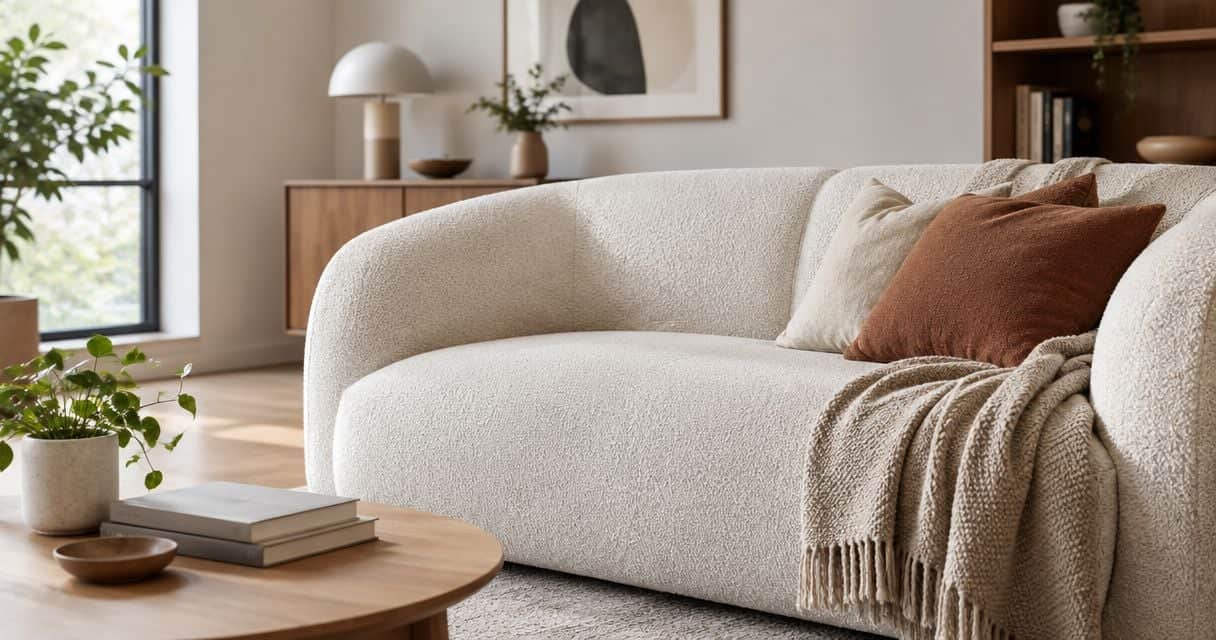
A single tactile object — a sculptural side table, a boucle throw, one piece of wall art at eye level when seated — does more than five small trinkets scattered across a shelf. Common mistake: treating the reading corner like a display shelf instead of a place to sit still for an hour.
Start with the chair that anchors the room
Browse Sohnne’s replica lounge chairs and lighting built for daily reading.
Shop lounge chairsTroubleshooting
- The chair feels good for 10 minutes, then your neck aches — the back pitch is too upright for reading; look for a chair with a reclined back angle rather than a straight-backed accent chair.
- The page is lit but your eyes still strain — the lamp is positioned behind your line of sight instead of beside it; move it 18-24 inches to the side, not directly overhead.
- The corner feels cramped even with one chair — you likely skipped the rug step; a defined rug boundary makes a small footprint read as intentional, not squeezed in.
- Books keep migrating back to the living room shelf — your reading room storage isn't within arm's reach of the chair; move the shelving unit closer, even if it means a smaller module.
- The space gets used for five minutes then abandoned — check the window distance; natural light within 6 feet keeps people in a seat longer than artificial light alone, even in 2026 with good LED options.
Tools and Resources
- A tape measure for chair depth and shelving width before ordering
- A lumen-rated bulb (450-500 lumens for reading, not a decorative low-output bulb)
- The Ox Chair replica product page for dimensions and fabric options
- The PH Artichoke lamp replica guide for placement heights by ceiling type
- The Haller shelving system replica configuration guide for narrow-corner layouts
What to Do Next
Once the seat and light are locked, the next decision is positioning relative to the actual window — the angle matters more than most people expect, and getting it wrong undoes steps 2 and 3. The guide to positioning a lounge chair for natural light reading covers the specific angles and distances that keep daylight usable through the afternoon instead of blinding by 3pm.
FAQ
How do I set up a reading room in a small apartment?
Use one lounge chair, one task lamp, and a shelving module no wider than 24 inches — a corner near a window is enough space in 2026, no dedicated room required. Skip a second seat; a single-chair setup keeps a small footprint from feeling crowded.
What is the best chair for a reading room?
A chair with a reclined back angle and deep seat, like the Ox Chair replica, works better than an upright accent chair for sits over 30 minutes. The wingback shape also blocks peripheral light, which matters more than most buyers expect.
How much light do I need for reading?
Aim for 450-500 lumens from a source positioned beside the chair at shoulder height or above, angled down at roughly 30 degrees. Overhead-only lighting casts a shadow directly onto the page.
Do I need a bookcase for a home reading room?
No — a modular shelving unit sized for 8-12 books within arm’s reach works better than a full bookcase, which pushes the reading spot toward storage-room territory. Configure the width to the actual corner, not a future collection.
Is replica furniture good enough for daily use in a reading room?
1:1 dimensioned replica furniture holds up to daily sitting when the frame and foam density match the original spec, which is the case with Sohnne’s factory-made pieces. Check fabric and frame details before buying rather than assuming all replicas are built the same.
Where should a reading chair face relative to a window?
Position the chair beside a window, not directly facing it, so daylight falls over your shoulder onto the page instead of into your eyes. A 6-foot distance from the window keeps natural light usable through most of the day.
How big does a reading room need to be?
6-8 feet of clear floor space is enough for a chair, a side table, and a small shelving module — a reading corner in an open-plan room works as well as a dedicated room. Size the rug to extend 18 inches past the chair’s front edge to visually anchor the space.
One Last Thing
The detail that gets skipped most often: rug placement under the chair's front legs only, not the full footprint. Extend it the full 18 inches past the front edge and the corner reads as a finished room instead of a chair someone dragged into a hallway — it's the cheapest fix on this entire list and the one most reading corners in 2026 still get wrong.
Related Guides
Stay connected with us!
Keep in touch with what’s new and next. Subscribe for weekly insights, product launches, and community news!