Noguchi Coffee Table for a Yoga Studio Lobby: 2026 Verdict

Sohnne Design Studio
August 29, 2026
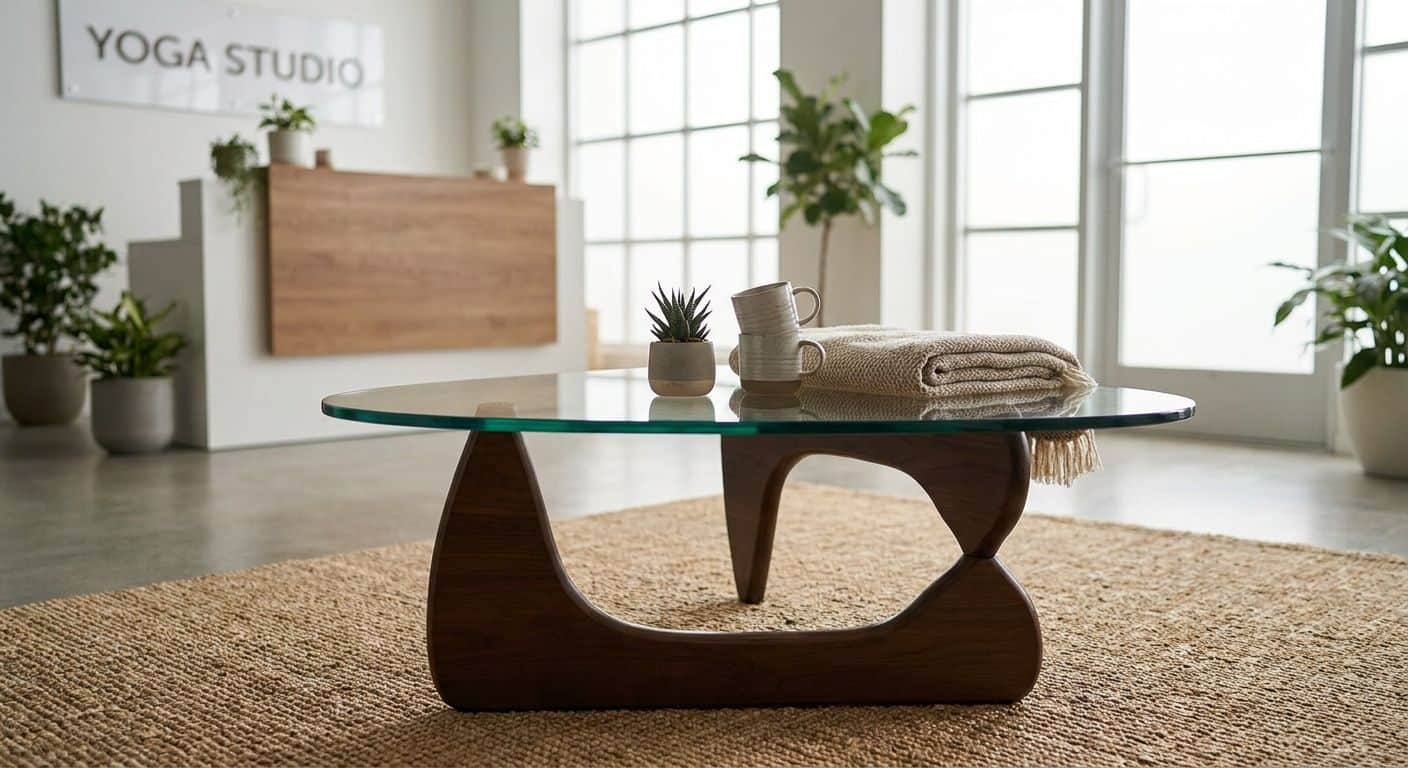
A yoga studio lobby takes a beating: bare feet, damp mats, rolling carts, and constant foot traffic all day long. The Noguchi coffee table replica works in that setting when you get the base material and glass spec right — get either wrong and you've got a $600 problem sitting in the middle of your welcome area.
TL;DR- The Noguchi coffee table replica fits a yoga studio lobby when the base is solid wood and the glass is tempered — Buy for 2026 installs.
- At roughly 15.75 inches tall, the table sits low enough to pair with floor cushions and barefoot traffic without becoming a trip hazard.
- Skip laminate or veneer bases in a studio lobby — moisture from mats and bare feet swells cheap wood composites fast.
- Pair the table with low-profile lounge seating rather than tall armchairs to keep the biomorphic glass shape visible from the entry.
Why this matters
A studio lobby is a retail moment disguised as a waiting area. Clients form an opinion about the business in the ten seconds it takes to remove their shoes and set down a water bottle, and a coffee table that photographs well but scratches or wobbles within a season undercuts that impression fast. The Noguchi coffee table replica gets picked for exactly this reason — the biomorphic glass top and sculptural wood base read as intentional, curated design rather than furniture-store filler — but the same organic shape that makes it a centerpiece also makes it unforgiving of a bad spec sheet.
At Sohnne, the Noguchi coffee table replica is built to the original 1:1 dimensions Isamu Noguchi drew for Herman Miller in 1944, which matters in a commercial lobby because floor seating, low benches, and yoga bolsters are all sized around that original scale. Buy furniture built to a different footprint and the whole lobby layout stops matching what clients expect from photos of the design online.
Who this is for
This guide is for studio owners and facility managers furnishing a lobby that gets 20 to 100+ barefoot visits a day and needs a centerpiece that survives it. It's built for someone choosing between a Noguchi coffee table replica and a generic round table, not someone comparing fifteen glass-top options from scratch — the decision here is about spec, not style.
What to look for in a Noguchi coffee table for a yoga studio
Tempered glass thickness and edge finish
The glass top is the part clients touch, lean on, and occasionally bump with a rolled mat, so it has to be tempered — not just thick. Standard reproductions run the glass at roughly 3/4 inch, which matches the shatter resistance of the original and holds up under repeated contact in a way thinner annealed glass does not. Ask specifically whether the edges are polished and slightly rounded; a sharp biomorphic edge at ankle height in a barefoot studio is the one detail that turns a design piece into a liability.
Base wood species and floor protection
The two-piece wood base is what makes this table recognizable, and it's also the part most exposed to moisture from bare feet and damp towels. Solid walnut or ebonized wood bases hold up in commercial traffic in ways veneered or laminate bases don't — moisture works into seams on composite bases and causes swelling within a season of daily studio use. Check for felt or rubber floor pads on the base feet; without them, hardwood or polished concrete floors scuff within months.
Table height relative to floor seating
The original Noguchi table sits at about 15.75 inches, which is the height that makes it work with floor cushions, low benches, and yoga-adjacent seating rather than standard-height armchairs. A lobby that pairs the table with taller seating throws off the proportion the design depends on — this table was built to sit low, and raising the seating height around it makes the whole vignette look mismatched rather than considered.
Footprint versus lobby traffic flow
At roughly 50 inches long and 36 inches wide, the table's asymmetric glass shape needs clearance on at least two sides for people moving through with mats and bags. In a narrow studio entry, that footprint can block the path to the front desk — measure the actual walking lane before committing, not just the open floor area.
Cleaning and moisture resistance
A public lobby table gets wiped down more in a week than a home coffee table gets wiped in a year. Glass tops clean easily with standard glass cleaner, but the wood base needs a finish that tolerates repeated contact with disinfectant wipes without dulling — ask what finish is used before assuming any wood base handles commercial cleaning schedules the same way.
Weight and stability on hard flooring
The glass top of the original design isn't bolted to the base — it rests on the wood by gravity and the shape of the interlocking legs. That's elegant in a living room and fine in a lobby too, but it means the table needs a level, stable floor. On a slightly uneven polished concrete floor, a wobble that's a minor annoyance at home becomes a liability when someone sets down a hot drink in a public space.
Top picks for a yoga studio lobby
The anchor piece — the Noguchi coffee table itself. This is the centerpiece the rest of the lobby gets built around, and in 2026 it's still the most-requested biomorphic glass table for studio and wellness spaces because the low profile and organic shape read as calm rather than corporate. Verdict: Buy if your lobby has at least 30 inches of clearance on two sides.
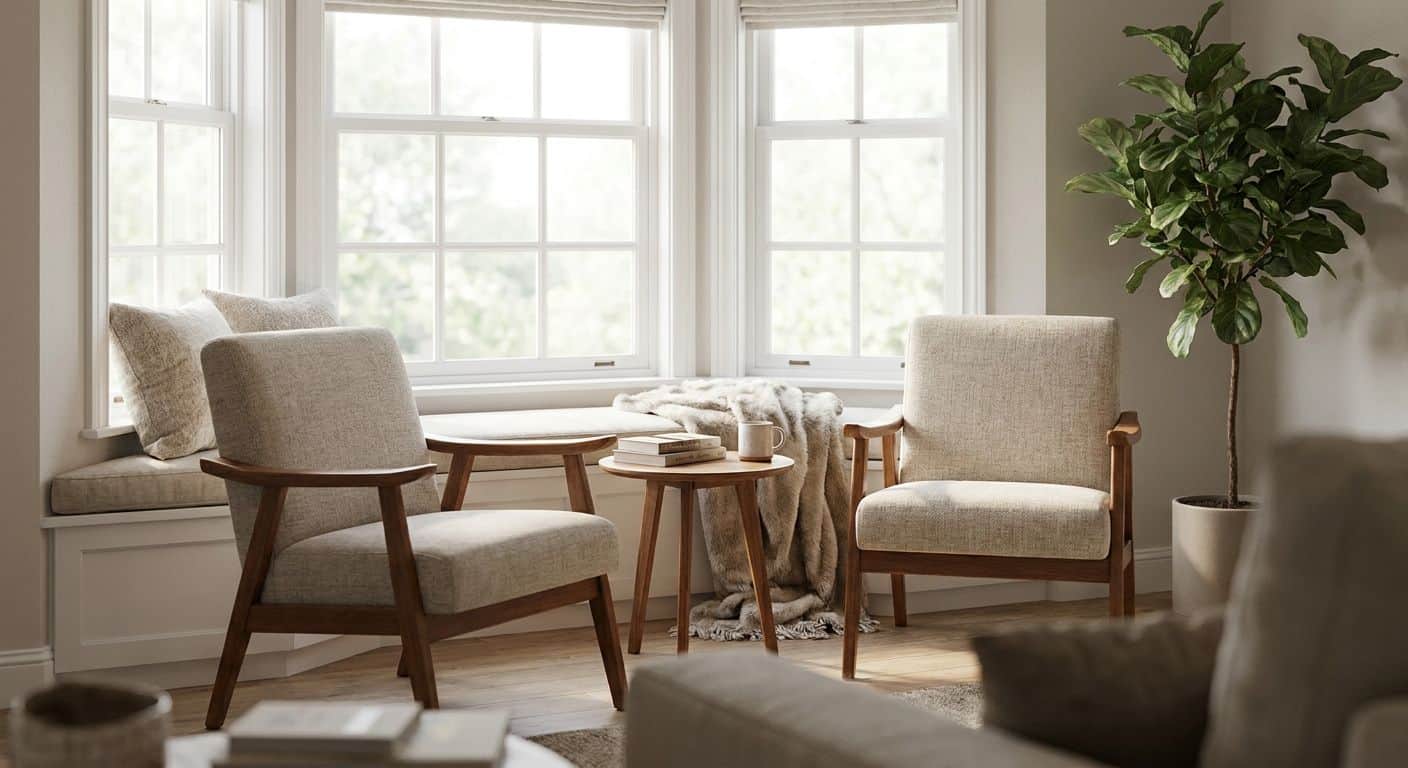
The seating pairing — the low-profile companion. Lounge chairs for a home yoga studio sit at a height that keeps the Noguchi table's proportions intact instead of towering over it. A studio in Austin furnishing a 200-square-foot lobby in 2026 would pair two of these with the table rather than a single oversized sofa. Verdict: Buy for studios under 300 square feet.
The transitional piece — the entry bench. A Nelson platform bench works as a shoe-removal spot near the door, separate from the coffee table zone, so the Noguchi piece stays a visual anchor rather than a catch-all surface for bags and shoes. Verdict: Consider if your entry and seating area share one open floor plan.
The overflow seating — quiet corner chairs. When class sizes push five or six people into the lobby at once, chairs for a meditation room add capacity without competing with the table's shape — the low, upright profile of meditation-room seating keeps the sightline to the glass top open. Verdict: Buy for studios running back-to-back class schedules.
The styling reference — residential scale, commercial use. The Noguchi coffee table replica styled for a minimalist living room shows how the same piece reads in a smaller footprint, which is useful if your lobby is closer to 150 square feet than 300. Verdict: Consider as a layout reference before you commit to floor plan.
Furnish your studio lobby with confidence
See the Noguchi coffee table replica built to original 1:1 dimensions.
Shop the collectionWhat to avoid
- Laminate or veneer bases. They look identical in photos but swell and delaminate within a season of moisture exposure from bare feet and damp mats — the failure isn't visible until it's already happened.
- Untempered or thin glass. Anything under the standard 3/4-inch tempered spec is a liability in a barefoot space, tempered glass or not; a chip at ankle height is a real injury risk, not a cosmetic issue.
- Oversized reproductions that ignore the original footprint. A table stretched beyond the roughly 50-by-36-inch original throws off the proportion with low seating and eats clearance a small lobby doesn't have to spare.
Verdict comparison
| Pick | Height fit for floor seating | Traffic durability | Verdict |
|—|—|—|
| Noguchi coffee table (anchor) | Matches low seating at 15.75" | High, with tempered glass + solid wood base | Buy |
| Yoga studio lounge chairs | Low profile, keeps table visible | High for daily studio use | Buy |
| Nelson platform bench | Entry-height, separate zone | High, solid construction | Consider |
| Meditation room chairs | Upright, compact footprint | Good for overflow capacity | Buy |
| Minimalist living room styling reference | Residential scale | N/A — reference only | Consider |
FAQ
Is the Noguchi coffee table good for a yoga studio lobby?
Yes, when the base is solid wood and the glass is tempered — the low 15.75-inch height matches floor seating and the biomorphic shape holds up as a design centerpiece under daily barefoot traffic in 2026.
How tall is a Noguchi coffee table?
The original Noguchi table design sits at roughly 15.75 inches tall, with a footprint of about 50 inches long by 36 inches wide, sized to sit low next to floor cushions and lounge seating.
What glass thickness should a Noguchi table replica have?
Look for tempered glass around 3/4 inch thick with polished, slightly rounded edges. Thinner or untempered glass increases chip and shatter risk in a high-traffic public space.
Is glass safe for a high-traffic studio lobby?
Tempered glass at standard thickness is safe for commercial foot traffic, but the edge finish matters as much as the glass itself — unpolished or sharp edges at ankle height are the real risk in a barefoot space.
How do you clean a Noguchi coffee table base?
Wipe the glass with standard glass cleaner and check the wood base’s finish before using disinfectant wipes daily — some finishes dull under repeated commercial cleaning while sealed hardwood holds up.
What chairs pair well with a Noguchi coffee table in a lobby?
Low-profile seating like yoga studio lounge chairs or meditation room chairs keeps the table’s proportions intact. Tall armchairs throw off the low, grounded look the design depends on.
Does the Noguchi table work in a small studio lobby?
Yes, but measure clearance first — the roughly 50-by-36-inch footprint needs open space on at least two sides so it doesn’t block the path between the entry and the front desk.
Is a wood base or glass top more likely to fail in public use?
The wood base is the more common failure point in commercial settings — moisture from bare feet and cleaning products swells cheap composite bases faster than properly tempered glass tops degrade.
One last thing
The glass top on the original Noguchi design was never meant to be bolted down — it rests on the two-piece wood base by gravity and the geometry of the interlocking legs alone. That's the detail most studio owners miss when they're worried about durability: the real risk isn't the glass shifting, it's an uneven floor letting the base rock slightly, which reads as instability even when the table itself is fine. Level the floor first, and the rest of the spec sheet matters far less.