Lounge Furniture for Co-Working Space: 2026 Buying Guide

Sohnne Design Studio
August 4, 2026

Co-working lounges get more foot traffic in a month than most living rooms see in a year, and the furniture buying rules for that are different from anything you'd pick for a home. This guide breaks down what actually holds up in a shared lounge corner and which replica pieces from Sohnne earn a Buy in 2026.
TL;DR- A Camaleonda-style modular sofa is the safe pick for lounge furniture for co-working space setups that need to reconfigure weekly — Buy.
- Light linen and raw cotton upholstery show stains within weeks of daily use in a shared lounge — Skip.
- Boucle and performance-weave fabrics wipe clean and read professional, not institutional — Buy.
- Oversized statement lounge chairs eat 30+ inches of walkway width operators can’t spare — Consider only in low-traffic corners.
Why this matters
A co-working lounge isn't a living room with more chairs in it. Members sit in the same seat for two hours on a laptop, then a networking event puts fifteen people standing around the same sofa an hour later. Furniture that looks right in a catalog photo but can't handle that swing in use gets replaced within 18 months, and that replacement cycle is the real cost operators underestimate.
The brief for lounge furniture for co-working space environments comes down to three tensions: it has to look considered enough to justify membership fees, survive daily abuse from people who don't own it, and still reconfigure fast when the space needs to flip from lounge mode to event mode. Mid-century modern replica pieces solve the first problem better than most contract furniture lines, because the silhouettes read as design-forward rather than corporate. The second and third problems are where picks diverge sharply.
Who this is for
This guide is written for co-working operators, boutique studio managers, and small agency owners furnishing a shared lounge zone for members or clients — not a private home. If you're outfitting a single office or a personal reading nook, the calculus on durability and modularity below won't apply the same way; check the Sohnne catalog directly for residential picks instead.
What to look for in lounge furniture for a co-working space
Contract-grade durability without an institutional look
A lounge sofa in a shared space gets sat on, leaned on, and used as a laptop table more times per week than a home sofa sees in a month. Look for high-density foam cores and reinforced frames — the kind used in modular systems built for reconfiguration, not single-use lounging. A piece that visually reads as design-forward but is built like contract furniture is the target, not either extreme alone.
Modularity for reconfiguring meetings vs. lounge mode
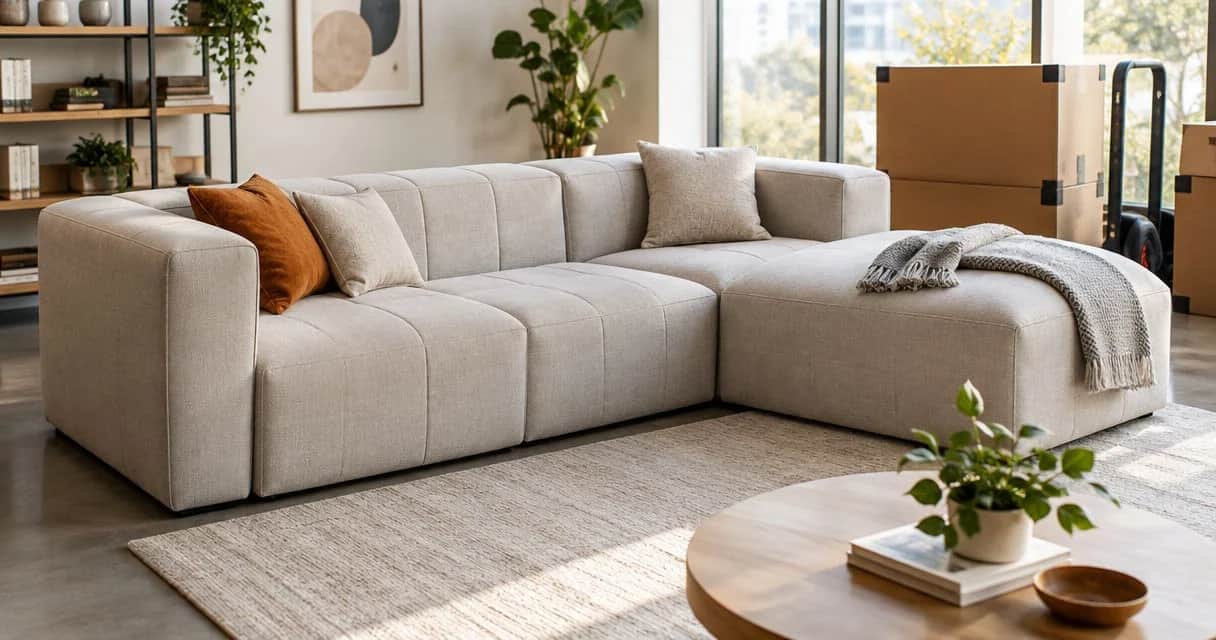
Most co-working lounges do double duty: casual seating by day, event or pitch-night layout by evening. A modular sectional that breaks into individual ottomans and chaises lets you flip the room in ten minutes instead of hauling in folding chairs. Fixed three-seater sofas look great in the render and become a bottleneck the first time you need the floor cleared.
Cleanable, stain-resistant upholstery
Members bring coffee, laptops, and outside guests into a lounge that isn't theirs to maintain. Boucle, performance weaves, and top-grain leather wipe down fast; raw linen and light cotton blends show every spill within weeks. This single criterion eliminates more pieces than any other on this list.
Footprint efficiency in shared square footage
Co-working square footage rents for real money, and a lounge zone competes with desks for space. A sofa or chair that looks proportionate in a 400-square-foot photo can eat a walkway when it's actually installed. Measure clearance first, then shop — not the other way around.
Acoustic softness to cut open-plan noise
Open-plan co-working spaces are loud, and hard-surfaced modern furniture makes that worse. Upholstered lounge pieces with deep cushioning absorb sound the way bare wood and metal never will, which matters more in a shared floor plan than it does in a private den.
Top picks for a co-working lounge in 2026
The workhorse sectional — buy this first
A Camaleonda-style modular sofa is built from separate seat, back, and arm modules that reconfigure into dozens of layouts, which is exactly the flexibility a shared lounge needs. The modular configuration guide covers how to break the sectional into a lounge row for daytime and a horseshoe for evening events. One spec that matters here: modular units let you replace a single worn module instead of the whole sofa when heavy use catches up with it years down the line. Verdict: Buy.
The lobby-crossover piece — the safe aesthetic bet
Hotel lobbies and co-working lounges solve the same design problem — impress a stranger passing through in under ten seconds — and the hotel lobby aesthetic guide is built around pieces chosen for exactly that first impression. These picks lean toward statement seating anchored by one or two chairs rather than a full sectional, which suits a smaller lounge corner better than a wall-to-wall sofa. Verdict: Consider if your lounge zone is under 150 square feet and needs one signature piece, not a full seating suite.
The task-adjacent lounge chair — the wildcard
Members don't only lounge — they take calls, read contracts, and half-work from the same seat. The creative studio lounge chair guide picks chairs built for that in-between use: supportive enough for 90 minutes of focused work, relaxed enough to not look like a desk chair. That dual-purpose flexibility is rare in pure lounge seating. Verdict: Buy for lounges that double as informal meeting spots.
The overflow daybed — use sparingly
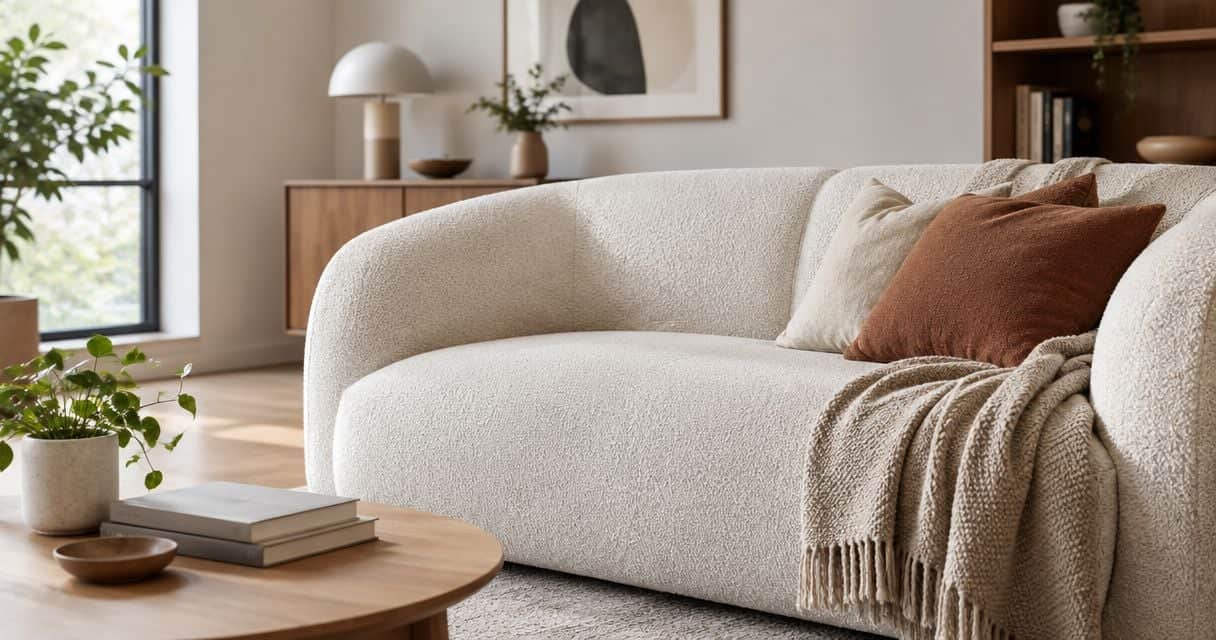
A Togo-style low sofa reads casual and photographs well, and it works as overflow seating in a corner where members sprawl rather than sit upright. It's low to the floor, though, which slows the transition when you need bodies standing and mingling fast, and it doesn't stack or fold for storage. Verdict: Consider for a single accent corner, not as primary lounge seating.
What to avoid
- Light-colored linen or raw cotton sofas — they look editorial in photos and show a coffee ring within the first week of shared use.
- Fixed, non-modular three-seaters as the only seating option — fine for a home living room, a liability the first time the lounge needs to flip for an event.
- Oversized statement lounge chairs in tight corners — a chair that looks proportionate in a wide-angle photo can eat 30+ inches of walkway once it's actually installed next to a desk zone.
“A sofa that can’t be broken down into modules is a liability the first time the lounge needs to flip for an event.”
Verdict comparison
| Pick | Best for | Footprint | Cleanability | Verdict |
|---|---|---|---|---|
| Camaleonda-style modular sofa | Reconfigurable lounge/event space | Flexible, module-based | High (performance weave options) | Buy |
| Hotel-lobby style statement chair | Small lounge, single focal point | Compact, 1-2 pieces | Moderate to high | Consider |
| Creative studio lounge chair | Dual lounge/work seating | Compact, single-seat | High | Buy |
| Togo-style low sofa | Casual overflow corner | Low-profile, fixed | Moderate | Consider |
Furnish your co-working lounge
Browse the full mid-century modern replica catalog for lounge and modular seating.
Shop the catalogFAQ
What’s the best lounge furniture for a co-working space in 2026?
A modular sectional built from separate seat and back modules is the best lounge furniture for a co-working space in 2026 because it reconfigures between daytime lounge mode and evening event layouts. Fixed sofas look fine but can’t flip a floor plan in minutes.
Is a modular sofa better than a fixed sofa for a shared lounge?
Yes, a modular sofa is better than a fixed sofa for a shared co-working lounge because individual modules can be rearranged or replaced without buying a whole new piece. A fixed three-seater is harder to reconfigure and harder to repair when one section wears out.
How much foot traffic can replica lounge furniture handle?
High-density foam cores and reinforced frames on modular replica pieces are built to handle daily multi-user seating, unlike softer residential-grade cushioning. Fabric choice matters as much as frame quality for long-term wear in a shared space.
What fabric holds up best in a co-working lounge?
Boucle, performance weaves, and top-grain leather hold up best in a co-working lounge because they wipe clean and resist visible staining. Raw linen and light cotton blends show spills and wear within weeks of shared daily use.
How many lounge chairs does a small co-working space need?
A lounge corner under 150 square feet typically needs one or two statement lounge chairs rather than a full seating suite, based on standard co-working floor plans in 2026. Anchoring with one strong piece works better than crowding the space with multiple large chairs.
Do replica pieces come with a warranty for commercial use?
Sohnne backs its replica furniture with a 5-year warranty and 60-day returns, which applies to pieces purchased for lounge and shared-space use same as residential orders. Check current terms on the site before ordering for a commercial install.
Can I finance lounge furniture for a co-working space?
Affirm financing is available through Sohnne for qualifying orders, which lets operators spread the cost of furnishing a lounge zone rather than paying the full amount upfront. Terms and eligibility vary by order.
What should I avoid when furnishing a shared lounge in 2026?
Avoid light-colored linen upholstery, non-modular fixed sofas as the only seating option, and oversized statement chairs that eat walkway space. Each of these looks right in a photo but creates a real problem once the lounge is in daily use.
One last thing
The operators who get this right almost never buy one big sofa — they buy a modular system sized to break into at least three separate reconfigurations, because the lounge that only works one way is the lounge that gets rearranged badly by staff within the first 2026 quarter it's installed.
Related guides
Stay connected with us!
Keep in touch with what’s new and next. Subscribe for weekly insights, product launches, and community news!