How to Decorate a Living Room with a Statement Sofa (2026)

Sohnne Design Studio
July 15, 2026
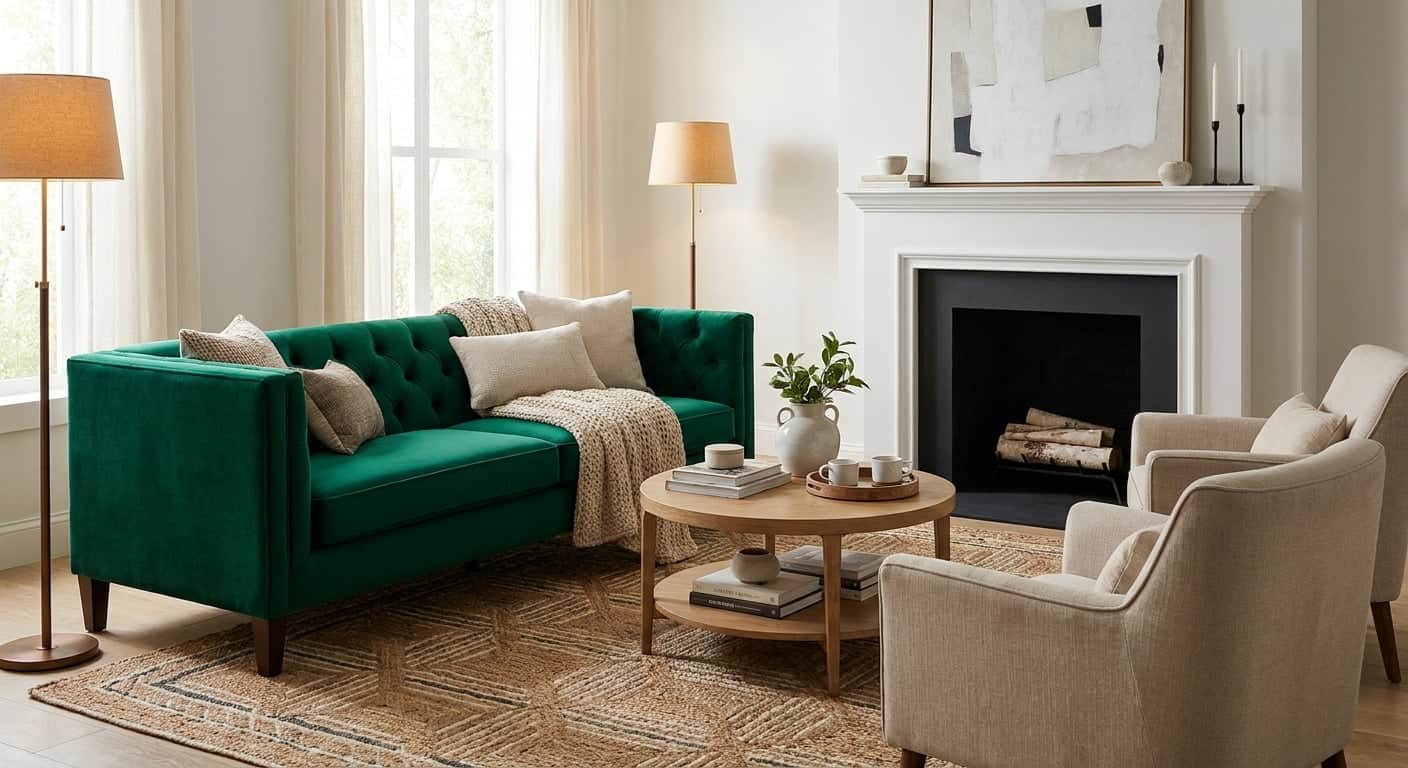
A statement sofa only works if the room built around it earns its size, color, and shape — otherwise it just looks like furniture that doesn't fit. This guide walks through the exact sequence for decorating a living room around a bold sofa, from measuring the space to picking the pieces that won't compete with it.
TL;DR
Decorating around a statement sofa in 2026 comes down to four moves: give it 36-42 inches of walking clearance, anchor it with a rug that extends at least 6 inches past the front legs, keep supporting furniture 30% quieter in color than the sofa, and choose one sculptural accent — not three. The Sohnne Dune Sofa and Togo Sofa replica both work as anchor pieces because their silhouettes carry a room without extra styling. Verdict: build the room around the sofa, not the other way around.
Why this matters
A statement sofa is an investment piece, and most living rooms fail it in the first six months by surrounding it with furniture that fights for attention instead of supporting it. The mistake isn't the sofa. It's decorating the room as if the sofa were neutral.
Get the Dune Sofa styling sequence right and everything else — rug, lighting, wall color — falls into a simpler decision tree. Skip it, and you'll be rearranging the room every few months trying to figure out why it feels cluttered.
What you'll need
- A tape measure and painter's tape (for mapping furniture footprints on the floor before buying anything)
- A rug sized to extend past the sofa's front legs by at least 6 inches on each side
- One coffee table or nesting set at 16-18 inches high, roughly the height of the sofa seat
- Two accent pieces max — a lounge chair or a sculptural side table, not both plus a pouf
- A dimmable lamp (floor or table) to soften direct overhead light
- The statement sofa itself — something like the Dune Sofa or a modular piece like the Camaleonda Sofa replica
The steps
1. Measure clearance before you measure the sofa
Most statement sofas fail in a room not because they're the wrong color but because there's no walking path around them. Leave 36-42 inches of clearance between the sofa and any wall or table people need to pass. Tape the sofa's footprint on the floor with painter's tape and walk it for two days before committing.
Common mistake: measuring only the sofa's width and ignoring the depth of a chaise or curved arm, which can add 12-18 inches you didn't account for.
2. Anchor the room with a rug, not a color
A rug under the sofa does more visual work than a paint color ever will. Size it so all front legs sit on the rug, with at least 6 inches of rug extending beyond them — anything smaller makes the sofa look like it's floating unsupported.
For small apartments, a rug that runs wall-to-wall or close to it reads larger than the room actually is, which matters if your statement sofa (like a Togo Sofa replica) already takes up a big share of the floor.
3. Mute everything within 6 feet of the sofa
If the sofa is bold — deep green boucle, a curved silhouette, a saturated color — the pieces closest to it need to be quieter by at least 30% in visual weight. That means a plain wood coffee table instead of a patterned one, and a solid-color throw instead of a printed one.
This isn't about matching. It's about giving the eye one thing to land on per zone. Expected outcome: the sofa reads as the room's focal point instead of one loud object among several.
4. Pick one sculptural accent, not three
A statement sofa can carry exactly one additional sculptural element in the room — a lounge chair, an artichoke-style lamp, or a modular side table. Adding more than one competes for the same attention the sofa is supposed to hold.
Common mistake: pairing a bold sofa with a bold chair AND a bold light fixture. Pick the single piece that adds the most contrast in shape (curved sofa, angular chair, for example) and leave the rest simple.
5. Layer lighting at three different heights
Overhead lighting alone flattens a statement sofa's shape. Add a floor lamp near a reading corner, a table lamp at seat height, and keep the overhead fixture on a dimmer. Three height levels of light create the depth that photographs (and lives) better than one bright source.
By 2026, dimmable smart bulbs cost under $15 each at most retailers, which makes this step cheap to execute even in a rental.
6. Test the color story with fabric swatches before buying anything else
Hold the sofa's actual fabric swatch against your wall color, rug sample, and any large accent piece before finalizing the room. What looks coordinated on a screen often clashes in daylight. This single step prevents the most expensive return-and-redo cycle in living room decorating.
7. Style the coffee table last, not first
Coffee table styling is the easiest part of the room and the one people obsess over too early. Once the sofa, rug, and lighting are set, add a tray, one stack of books, and one organic object — nothing more. Common mistake: styling the coffee table before the rug is chosen, which forces awkward re-edits later.
Troubleshooting
- The sofa looks too big for the room: pull it 6-8 inches off the wall instead of pushing it flush — floating furniture reads smaller than furniture jammed into a corner.
- The room feels cluttered even with fewer pieces: check if your rug is undersized; an undersized rug is the single biggest cause of visual clutter in living rooms.
- The sofa's color fights the walls: repaint the wall behind it in a warmer or cooler neutral rather than trying to change the sofa's fabric.
- Guests always sit in the same one seat: your lighting is uneven — add a lamp near the underused seating zone.
- The room photographs flat: you're missing the third light layer (see step 5); add one more lamp at a different height.
- The statement piece feels disconnected from the rest of the furniture: repeat one material (wood tone, metal finish) from the sofa in at least two other pieces in the room.
Tools and resources
- How to Style the Dune Sofa in a Living Room for a room-by-room breakdown of one specific statement piece
- Best Mid-Century Modern Replica Furniture for Living Rooms for pairing pieces that share a design language
- Camaleonda Sofa Replica Modular Configurations Explained if your statement piece needs to adapt to an odd-shaped room
- A tape measure, painter's tape, and a fabric swatch kit before any purchase
What to do next
Once the sofa and rug are settled, the next decision is usually the accent chair or side table that completes the seating arrangement — that's where most of the remaining budget and risk sits in 2026. Read the Dune Sofa replica by Pierre Paulin breakdown for how one specific statement shape pairs with different room layouts before you commit to a second piece.
FAQ
What's the best statement sofa for a small living room?
A curved or low-profile piece like the Togo Sofa replica works best in small rooms because its silhouette reads as sculptural without needing extra floor space, unlike boxier sectional shapes.
How much clearance does a statement sofa need?
Plan for 36-42 inches of walking clearance around the sofa's footprint; anything tighter makes even a well-designed piece feel cramped.
Is a modular statement sofa better than a fixed one for decorating flexibility?
A modular sofa like the Camaleonda replica lets you reconfigure the room without buying new furniture, which matters more in rentals or rooms you expect to change within a year or two.
What rug size works under a statement sofa?
Size the rug so it extends at least 6 inches past the sofa's front legs on each side — undersized rugs are the most common styling mistake in 2026 living room layouts.
Should the coffee table match the sofa's wood tone?
Not exactly — repeating the same material family (wood, metal, or leather) in one other piece is enough to tie the room together without matching everything.
How many accent pieces should sit near a statement sofa?
One. A second sculptural piece within 6 feet of the sofa competes for the same visual attention and usually makes the room feel busier, not richer.
Does wall color matter more than the sofa color?
The wall is the backdrop, so test your actual fabric swatch against it before painting — a mismatch here is the most expensive redo in the whole project.
What lighting works best around a bold sofa?
Three height levels — floor lamp, table lamp, dimmed overhead — read better in photos and in person than a single bright source in 2026 living rooms.
One last thing
The detail most people skip: pull the sofa 6-8 inches off the wall even in a small room. Furniture pushed flush against a wall reads smaller and more cramped than the same piece floated with a gap behind it — a trick interior stylists have used since long before 2026 and one that costs nothing to test.