
Replica Furniture Buying Guide
This guide shows what to look for in high-quality replica furniture (also called reproduction or designer-inspired pieces) so you can buy confidently and avoid squeaks, sagging, peeling, and other letdowns.
Buying replica furniture should not feel like a coin flip.
The term “high quality replica” gets used everywhere, but the real difference between a piece that simply photographs well and a piece that still looks and feels right years later is surprisingly specific: frame construction, suspension, cushion build, upholstery specs, finishing discipline, and the policies behind the product.
This guide breaks down exactly what to look for when buying high quality replica furniture (also called reproduction or designer-inspired furniture). You’ll learn how to spot durability, comfort, and craftsmanship signals before you buy, and how to avoid the common traps that lead to squeaks, sagging, peeling, and “it looked better online” regret.
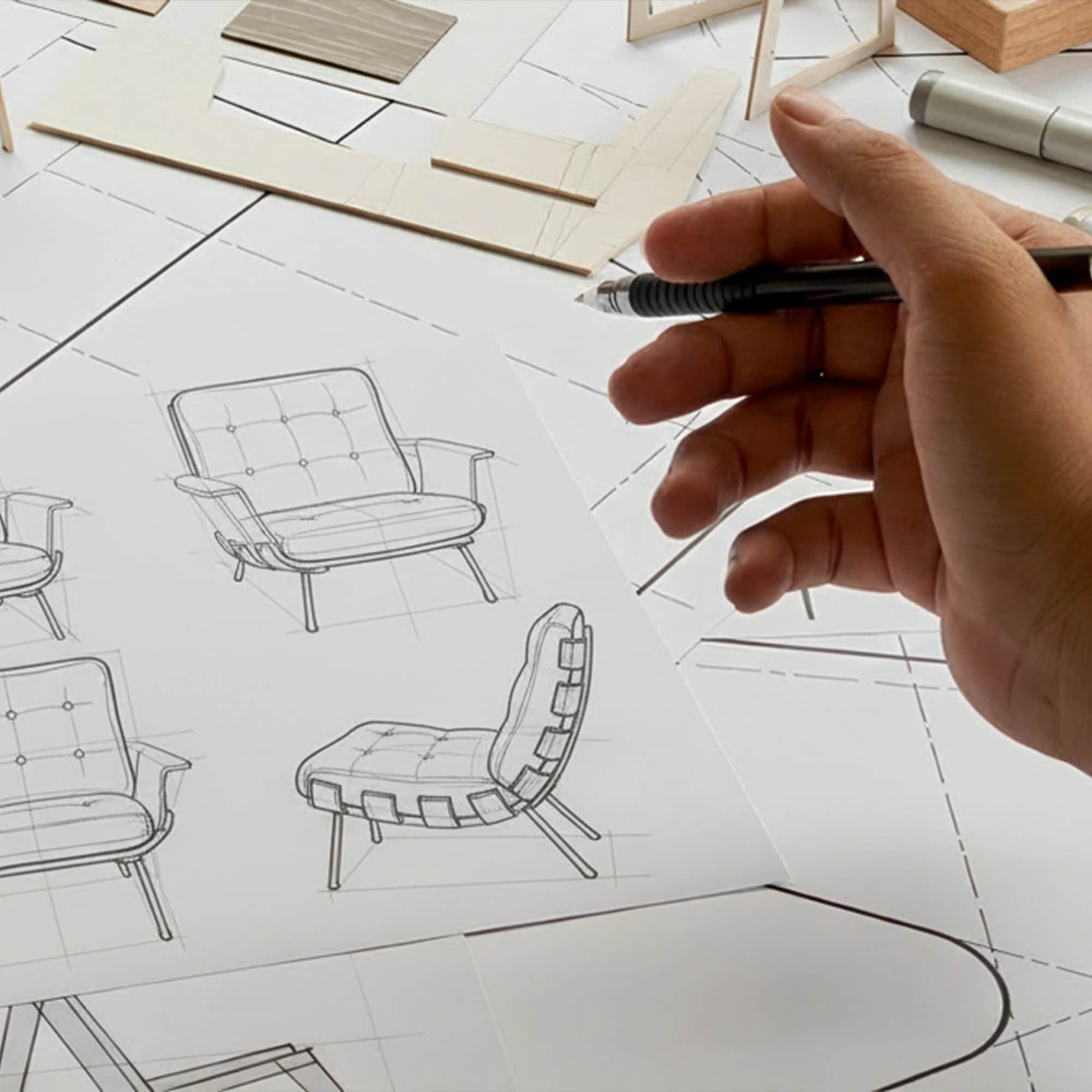
What High-Quality Replica Furniture Really Means
“Replica furniture” is a broad category. At one end, you have low-cost lookalikes made to mimic a silhouette. At the other, you have carefully built reproductions where comfort, structure, and finishing are treated as non-negotiables.
A high quality replica (or reproduction) is defined less by what it resembles and more by what it delivers in real life:
Replica vs Reproduction vs Designer-Inspired
Online, these terms are often used interchangeably:
- Replica is the most common consumer term, but it can imply anything from cheap to premium.
- Reproduction is often used to signal a higher standard of build and specification.
- Designer-inspired is frequently used as a cleaner descriptor of the aesthetic direction without implying affiliation.
In this guide, we focus on how to identify high quality regardless of label.
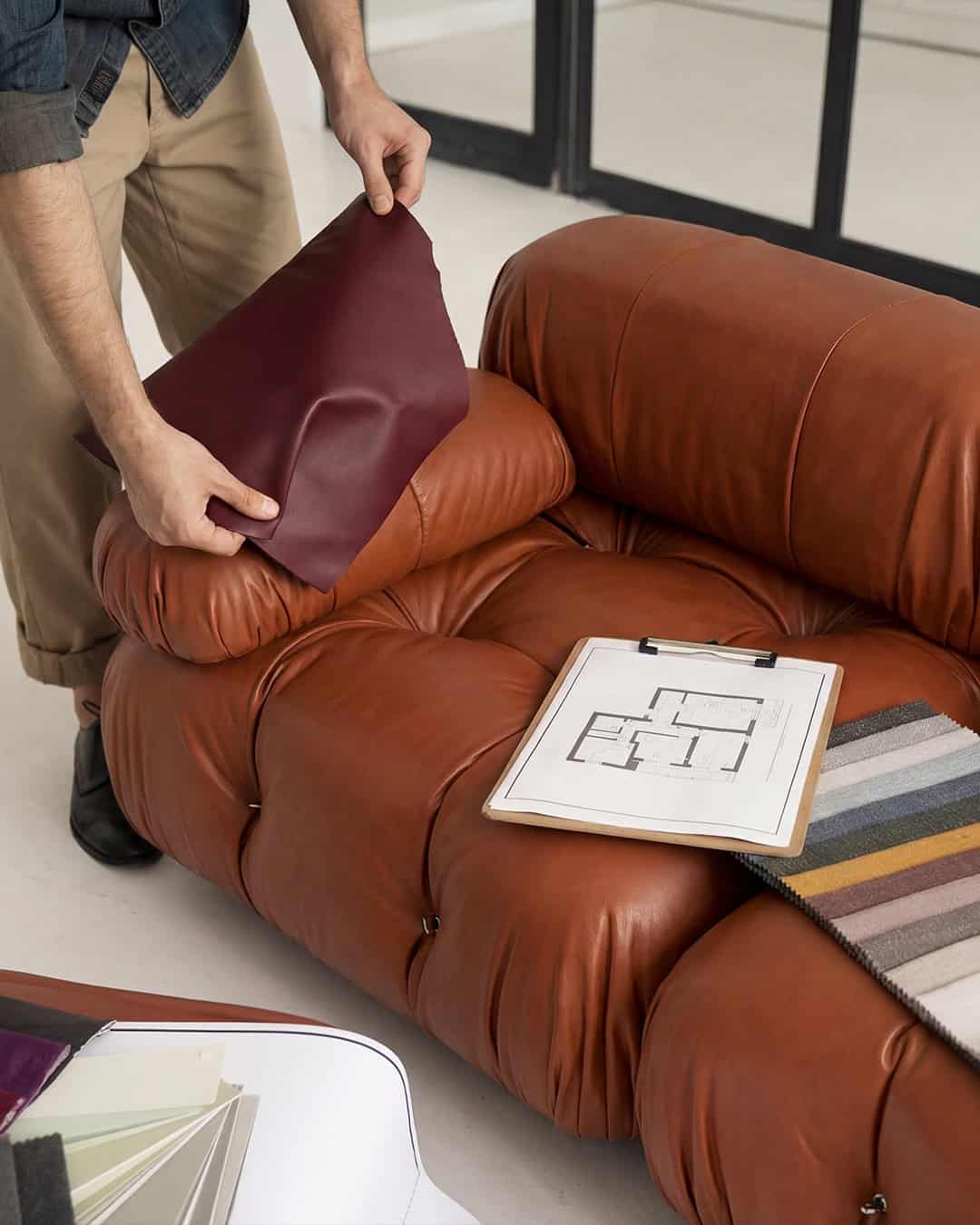
| What to Evaluate | What “High Quality” Looks Like | Red Flags |
|---|---|---|
| Frame stability | No wobble, no twist, feels planted | Rocking, uneven legs, flex when shifted |
| Seat support | Even support across the seat | Hammocking, soft spots, dips |
| Cushions | Hold shape, rebound after sitting | Flatten quickly, permanent impressions |
| Upholstery work | Straight seams, consistent stitching tension | Puckering, loose fabric, uneven seams |
| Finish quality | Even sheen, clean edges, no blotchiness | Sticky feel, cloudy patches, rough edges |
| Hardware function | Smooth open/close, aligned doors/drawers | Grinding, misalignment, loose hinges |
| Transparency | Clear dimensions + materials + care notes | Vague “premium” wording, missing specs |
Price vs Value: What You're Paying For
When replica furniture is overpriced, it doesn’t feel like a good deal. When it’s underpriced, it often becomes expensive later through replacements, repairs, or the slow frustration of owning something that never quite works the way it should.
To understand value, it helps to see where the money actually goes.
The Sohnne Replica Furniture Buying Guide breakts it down into 7 points:
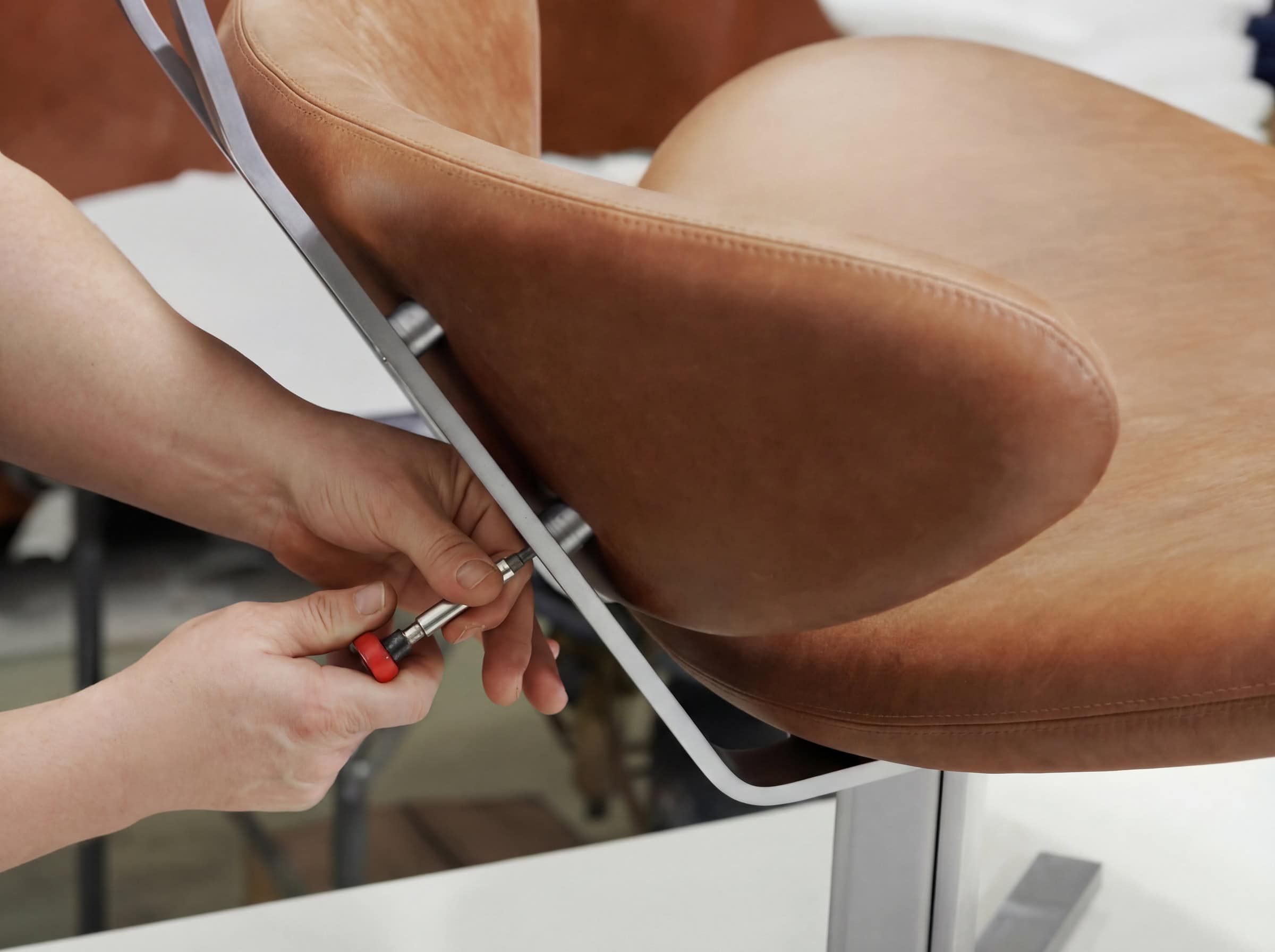
1. Frame materials & reinforcement
A better frame costs more because it uses:
If a listing is vague about the frame, that is usually not an accident. Frame quality is one of the hardest things to fake.
2. Suspension & support engineering
Suspension is the “invisible” part of comfort. Better support systems:
This is also one of the first corners cut in ultra-cheap replicas because most buyers can’t see it in photos.

3. Cushion build & foam quality
Foam is not all the same. Better cushions generally cost more because they use:
A sofa that feels amazing on day one can still be a low-quality build if the foam is prone to early compression.
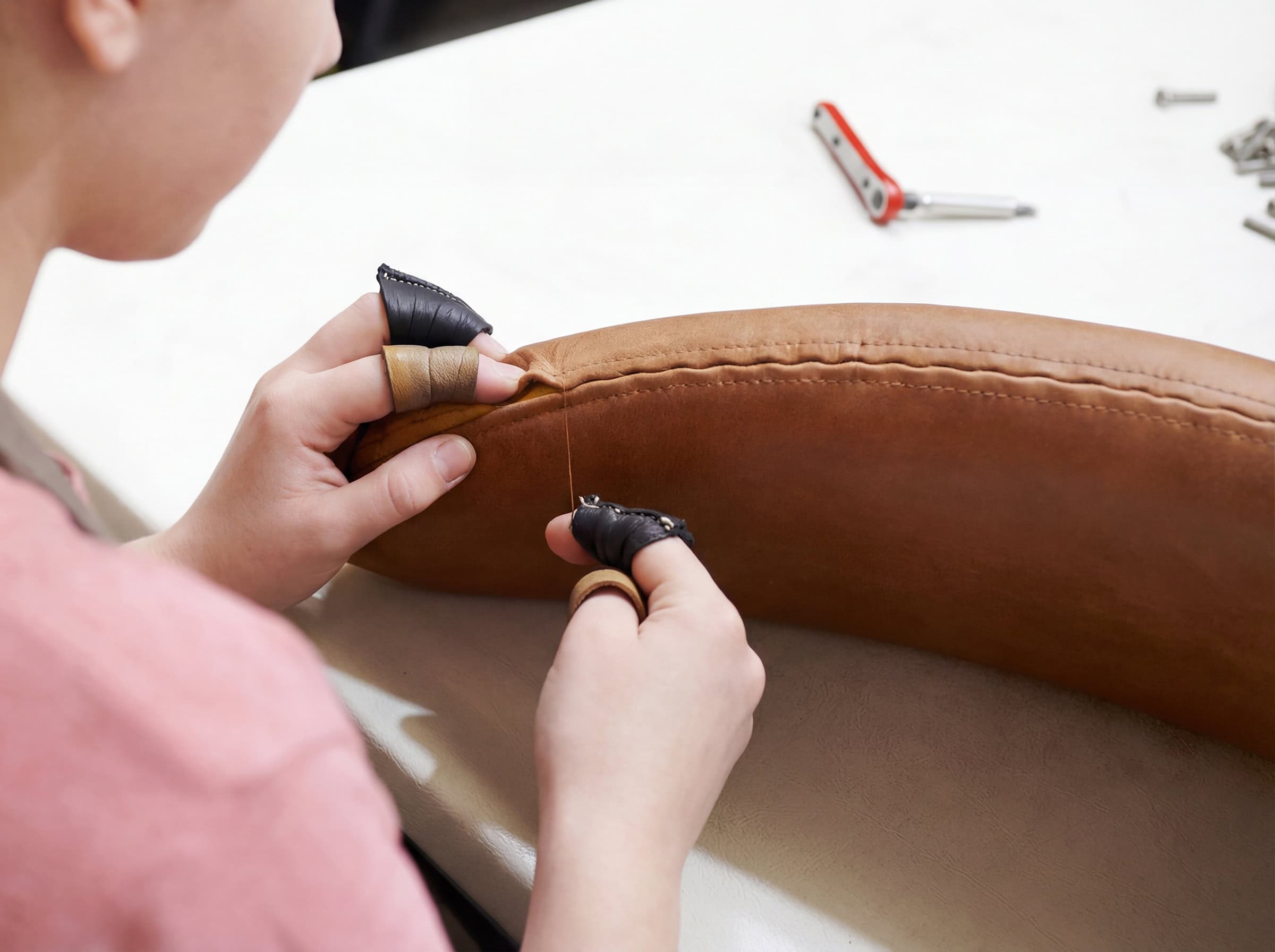
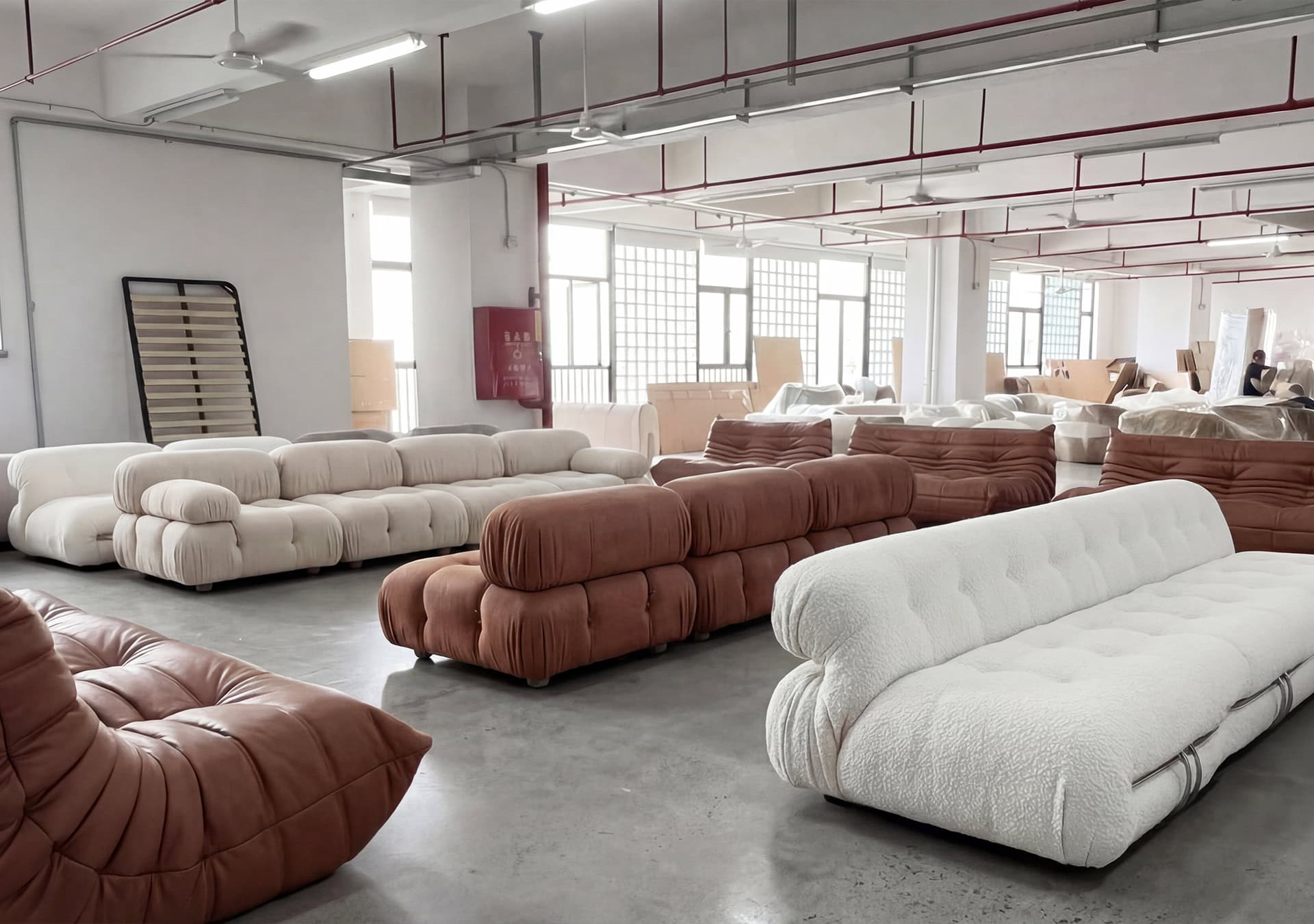
4. Upholstery materials & workmanship
Leather and fabric cost vary wildly, but so does the workmanship:
In replica furniture, upholstery is often where you see the biggest gap between “looks similar” and “built well.”
.

5. Finishing & Coating Systems
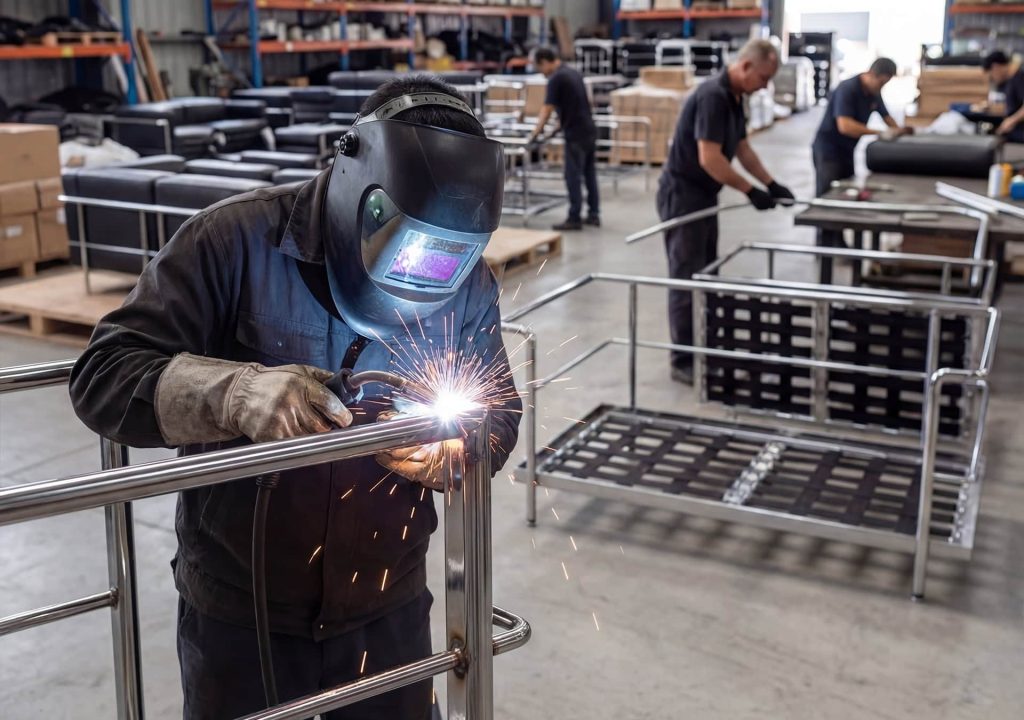
Finishing affects how a piece ages. Better finishing often includes:
Better metal coating systems (when applicable).
6. Packaging, Shipping & Damage Prevention
Safe delivery is part of quality. Strong packaging adds cost, but it prevents:
When brands cut packaging, they often shift the cost to the customer through stressful claims processes.


7. Customer support, returns, and warranty
Policies are not “extras.” They are signals:
Where Your Money Goes (and Why Cheap Replicas Fail)
| Cost Driver | What It Impacts | What Happens When It’s Cut |
|---|---|---|
| Frame materials & reinforcement | Stability, longevity | Loosening joints, wobble, squeaks |
| Suspension/support system | Comfort retention | Hammocking seat, uneven sag |
| Foam density & cushion construction | Shape + support over time | Flattening, bottoming out |
| Upholstery material quality | Wear resistance | Pilling, peeling, early wear |
| Upholstery workmanship | Fit + finish | Wrinkles, sloppy seams, shifting covers |
| Finishing system (wood/metal) | Aging + durability | Blotchy stain, easy scratching, chipping |
| Packaging & freight handling | Arrival condition | Dents, chips, scuffs, bent parts |
| Warranty/returns/support | Ownership risk | Difficult claims, no accountability |
What Actually Determines Replica Furniture Quality
Once you understand where the money goes, the next step is learning how to evaluate quality. Two chairs may look identical in photos, yet one may last twenty years while the other begins to sag or peel within two.
The difference usually comes down to materials, construction techniques, and manufacturing standards.
High-quality reproductions aim to preserve the proportions, structural engineering, and comfort of the original design. Lower-cost versions focus primarily on appearance while cutting corners internally.
Below are the core elements that separate a true design reproduction from a disposable imitation.
Materials: The Foundation of Longevity
Materials are the most immediate indicator of furniture quality. They determine durability, comfort, and how well a piece ages over time. Many lower-cost replicas rely on materials such as bonded leather, thin plywood, or low-density foam. These materials may look acceptable initially but tend to crack, sag, or lose shape after relatively short use.
Higher-quality furniture uses materials designed for long-term performance. Solid or real wood veneer structures provide strength and maintain structural integrity. Premium upholstery such as full-grain or top-grain leather develops character with time instead of deteriorating. High-density foam maintains shape and comfort even after years of daily use. When evaluating a piece, consider not only how it looks today but how those materials will behave after five or ten years in your home.
Construction: The Invisible Details That Matter
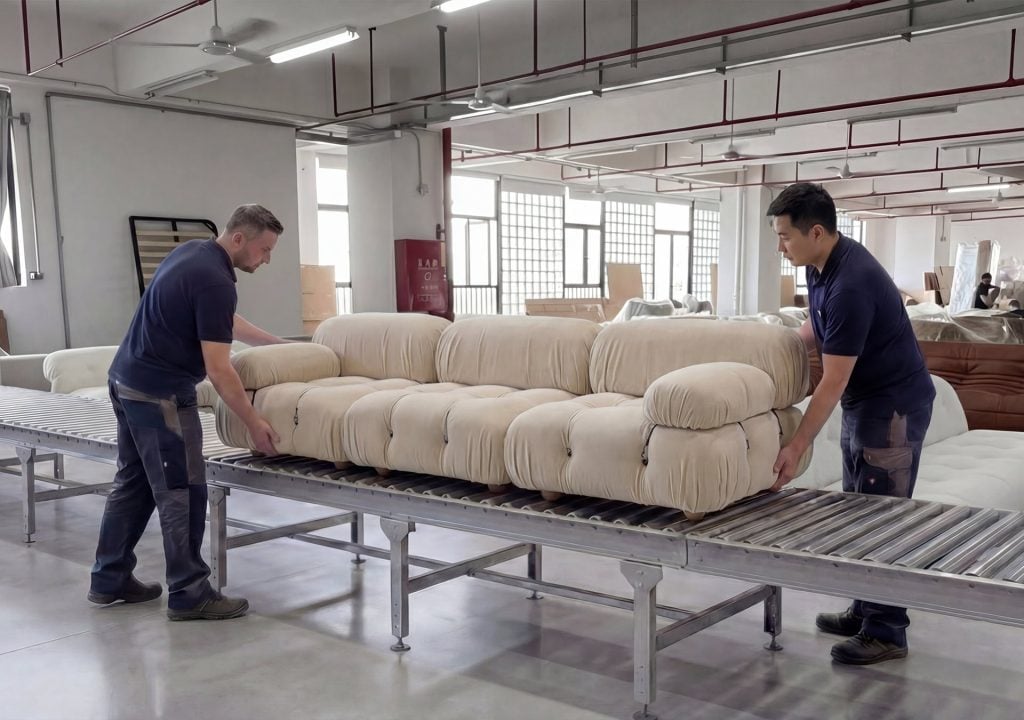
While materials form the foundation, construction determines how well those materials perform together.
Well-crafted furniture uses engineered joinery, reinforced frames, and carefully balanced weight distribution. These structural details prevent loosening, wobbling, or structural fatigue over time. Lower-quality furniture often relies heavily on staples, thin hardware, or simplified assembly methods. These shortcuts may reduce cost but frequently lead to premature wear or instability.
Quality furniture makers invest time in refining these details because structural engineering ultimately determines whether a chair or sofa maintains its integrity through years of use.
Accuracy of Proportions & Dimensions
One of the most overlooked factors in reproduction furniture is dimensional accuracy.
Iconic designs are carefully engineered to achieve a specific balance between ergonomics, aesthetics, and comfort. Even small deviations in seat height, angle, or proportions can change the experience of using the piece. Many budget reproductions alter dimensions slightly to reduce manufacturing costs or simplify production. Unfortunately, these changes often affect comfort and visual balance.
High-quality reproductions aim to maintain the correct proportions so the piece feels and functions as the original design intended.
Finishing & Detailing
The finishing stage is where craftsmanship becomes visible.
Details such as edge finishing, stitching consistency, and surface treatments determine whether furniture feels refined or mass-produced.
Precision finishing ensures that surfaces are smooth, edges are properly shaped, and materials meet cleanly without gaps or rough transitions. These details not only improve appearance but also prevent long-term wear.
Furniture that receives proper finishing typically maintains its appearance far longer than pieces rushed through production
Why Thoughtful Reproductions Exist
Original designer furniture can be extraordinarily expensive due to licensing, branding, retail markups, and collector demand.
High-quality reproductions exist to make timeless design accessible without sacrificing the experience that made those pieces famous. Instead of paying primarily for brand licensing or gallery markups, buyers can invest in materials, craftsmanship, and structural quality.
The goal is not to replace original collectibles, but to bring enduring design into everyday living spaces where it can actually be used and enjoyed.
Final Thoughts
Buying furniture is ultimately about balancing design, comfort, durability, and value.
By understanding how materials, construction, and manufacturing influence quality, buyers can make more informed decisions and avoid the common pitfalls of the replica furniture market.
Well-made reproductions can provide decades of enjoyment while preserving the timeless aesthetic that made these designs iconic in the first place.
Chosen by Businesses
That Value Quality






Products They Bought From Us


Products They Bought From Us





Products They Bought From Us

Products They Bought From Us


Products They Bought From Us

Ready to Begin Your Collection?
Frequently Asked Questions
Our team is here to help everyday, 24/7
Have a question? We’re just a message away, call us at +1 (833) 900-0017, email us, or start a live chat with our support team.