

Living in a studio apartment can be both exciting and challenging. With their compact size and open layout, these apartments are often the choice of students, young professionals, and city dwellers. Did you know that over 15% of rental units in urban areas are studio apartments, according to recent housing studies? They’re efficient, affordable, and perfect for those who embrace minimalism. However, the question remains: how to furnish a studio apartment without feeling cramped or cluttered?
As someone who has lived in multiple studio apartments across various cities, I know the struggle of balancing style, functionality, and comfort in such a small space. The good news? With the right strategies and a few clever hacks, it’s possible to turn even the tiniest studio into a cozy and stylish retreat. In this guide, we’ll explore practical tips, data-driven insights, and personal experiences to help you create a functional and beautiful studio apartment that feels like home. From maximizing storage to choosing multi-functional furniture, we’ll cover everything you need to know.
If you’re ready to transform your studio apartment into a space that works for you, let’s dive in! Whether you’re starting from scratch or looking to upgrade your current setup, this guide is designed to make furnishing a studio apartment simple, efficient, and enjoyable.
Why Are Studio Apartments Called Studios?

Studio apartments, also called “efficiency apartments,” trace their origins to the artistic concept of a studio, a single, open space designed for both living and creative work. Historically, artists utilized these spaces to seamlessly combine their living quarters with a workshop, fostering creativity by minimizing barriers between daily life and artistic endeavors. This efficient use of limited square footage remains a defining characteristic of studio apartments today.
Today, the term has evolved to represent any small, one-room apartment that combines the living room, bedroom, and kitchen into a single open space, with only the bathroom being separate. This layout emphasizes minimalism and multifunctionality, appealing to urban dwellers who prioritize location over living space.
The popularity of studio apartments has surged in cities around the world, where real estate is at a premium. They offer a practical living solution for singles, students, and young professionals, providing everything needed in a compact and often affordable package.
Are Studio Apartments Furnished?
When renting a studio apartment, you might find options that are either furnished or unfurnished. Furnished studios typically come with all the necessary furniture and appliances, making them ideal for those who prefer a move-in-ready option or are perhaps living temporarily in the city. Data from rental services indicate that furnished apartments can attract higher rents but reduce the upfront costs and hassle for tenants.
Conversely, unfurnished studios offer a blank canvas, allowing tenants to furnish and decorate according to their personal taste and needs. This option tends to appeal to longer-term residents who wish to invest in customizing their living space. According to a recent survey, approximately 35% of studio apartments are rented furnished, highlighting the demand for flexibility in rental accommodations.
Having personally moved between three studio apartments within two years, two of which were furnished, I have found that furnished studios significantly simplify the moving process. They eliminate the need to transport or purchase large items, making transitions more seamless, especially for shorter stays. However, the ability to design and personalize an unfurnished studio offers a unique appeal for those planning to stay longer.
Choosing between a furnished and unfurnished studio apartment often depends on individual circumstances, including budget, duration of stay, and personal preference in terms of design and comfort. Either way, understanding what typically comes with a furnished studio can help you decide what additional items you might need.
What Should Be Included in a Studio Apartment?
Furnishing a studio apartment requires careful consideration of space and functionality. The essentials include a bed, a sitting area (which could be a sofa or a couple of chairs), a dining space (often just a small table and chairs), and adequate storage solutions. These basics ensure that all living needs are covered without overcrowding the space.
Moreover, considering the limited space, choosing furniture that can serve multiple purposes, such as a sofa bed or a bed with built-in storage, can be a game-changer. Including a few shelves and cabinets can help organize items vertically and make the most of the available area.
In addition to furniture, essential appliances should not be overlooked. A compact kitchenette with a microwave, a small fridge, and possibly a two-burner stove can cover most culinary needs. For the bathroom, ensure there are sufficient storage and a functional layout to keep it clutter-free and usable.
Studio Apartment Essentials
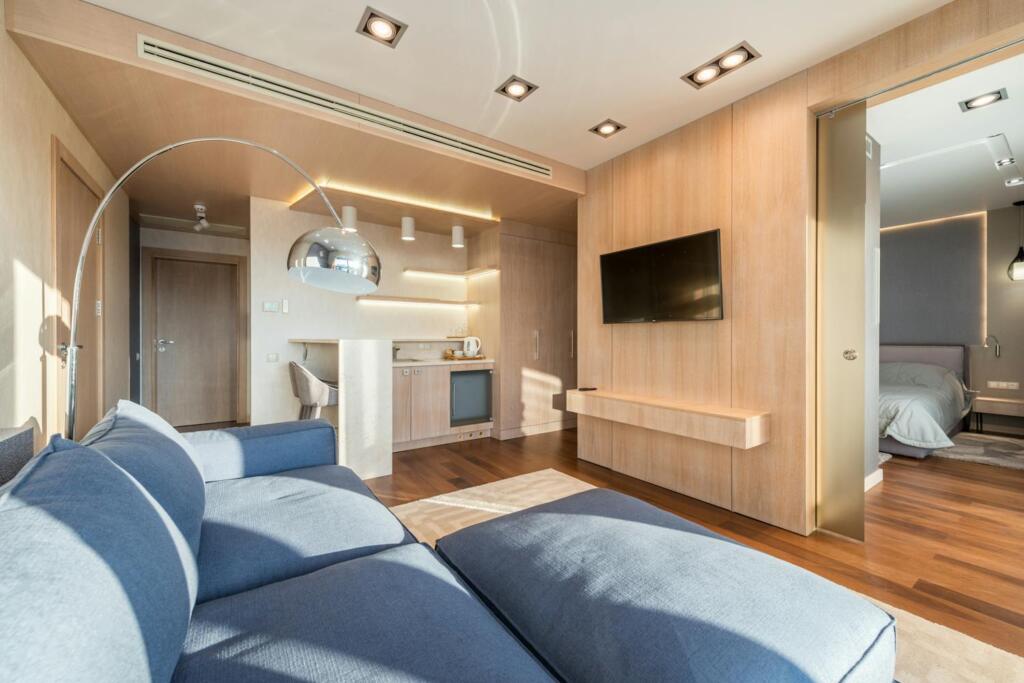
A well-equipped studio apartment blends functionality with design. Key pieces of furniture like a multi-functional bed that includes storage options, a fold-down desk, and a convertible sofa can maximize space usage. Adding washable sofas to this mix offers a practical and stylish solution, providing ease of maintenance and durability which are essential in a compact living space. Essential appliances include a microwave, a refrigerator, a compact oven or stove, and perhaps a small dishwasher if space permits.
Lighting also plays a crucial role in making a studio apartment feel larger and more welcoming. Opt for a combination of overhead lighting, task lighting for reading or working, and accent lighting to create a warm ambiance. Smart storage solutions such as ottomans with storage, wall-mounted shelves, and hooks can help keep your living space organized and tidy.
To maintain comfort without sacrificing style, choose a color scheme that reflects light and enhances the sense of space. Soft, neutral colors can make the room feel bigger, while splashes of brighter colors or patterns can add depth and interest without overwhelming the space. Washable sofas are available in various colors and materials that can complement your decor while offering the flexibility to keep your living environment clean and fresh.
How Do I Organize My Studio Flat?
Organizing a studio flat effectively involves maximizing the use of space while maintaining aesthetic appeal. Start by defining different areas for sleeping, living, and eating, which can be subtly marked using rugs, furniture arrangement, or even different lighting. Use vertical space wisely by installing shelves up to the ceiling and using hanging elements for items like bikes or large tools.
Storage is paramount in a small space, so consider investing in furniture that doubles as storage. Beds with drawers underneath, a lift-up bed frame for storing seasonal items, and benches with hidden compartments can all conserve space and reduce clutter. Additionally, use dividers such as bookcases or curtains to separate areas and create a sense of privacy and organization.
Lastly, regular decluttering is essential. With limited square footage, it’s important to evaluate what you really need and either dispose of, donate, or store items that are not essential. Keeping only what is necessary can help maintain an organized and spacious environment.
How to Fit Everything into a Studio Apartment?
Fitting everything you need into a studio apartment is all about smart planning and creative solutions. First, assess your essential needs in terms of furniture and storage. Opt for pieces that are proportionate to the size of your apartment to avoid overwhelming the space. For instance, a queen-sized bed might be too large, but a full-sized or even a Murphy bed that folds up into the wall when not in use could be perfect.
Consider multi-functional furniture, such as ottomans that offer additional seating and storage or tables that can expand to accommodate dining guests. Utilizing the full height of your walls with tall shelving units can help free up valuable floor space while providing ample storage.
Lastly, think about the layout of your apartment. Place larger pieces of furniture against the walls to maximize open floor space. Use rugs and decorative screens to define different areas within your studio without installing permanent dividers. This approach not only helps to fit everything comfortably but also maintains an airy, open feel.
How Do You Set Up a Small Studio?
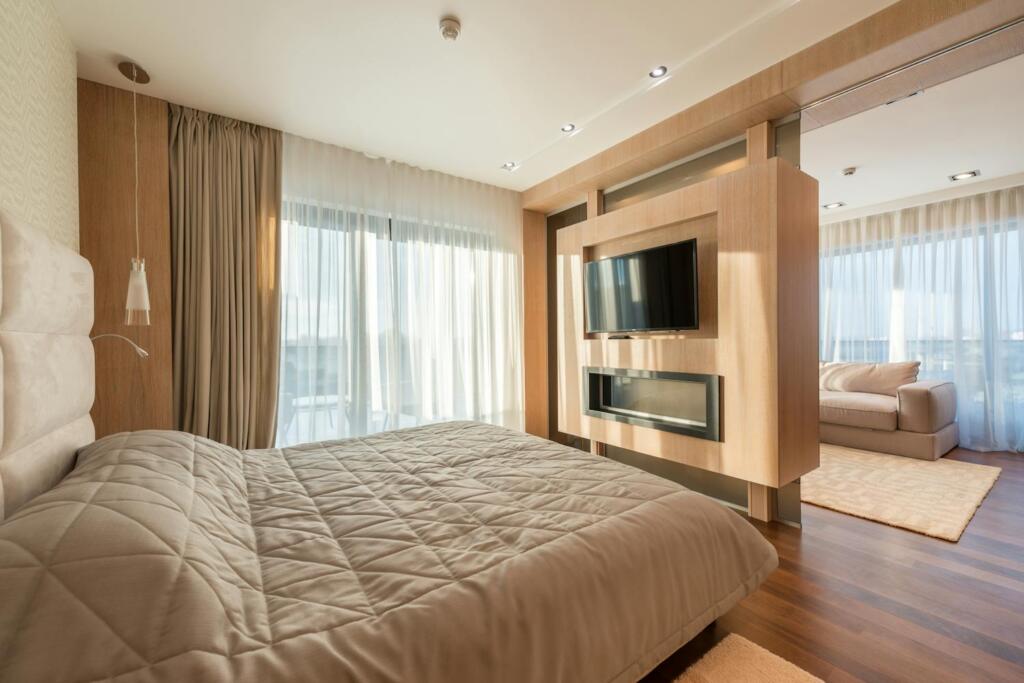
Setting up a small studio effectively requires careful consideration of both function and form. Begin by choosing a layout that maximizes natural light and air flow, which can make the space feel larger and more inviting. Place the bed in a corner to free up more central living space and consider using a curtain or a folding screen to provide some privacy if needed.
Next, think vertically to maximize your storage options. Wall-mounted shelves and cabinets can store books, decor, and other essentials without taking up floor space. Also, consider multifunctional furniture like a wall-mounted drop-leaf table that serves as a desk during the day and folds away when not in use.
Decor plays a key role in setting up your studio. Choose a color scheme that reflects light, like whites or pastels, to make the space feel bigger. Mirrors can also expand the visual space and add a decorative touch. Remember, the goal is to create a functional yet stylish environment that feels open and uncluttered.
How Do You Make a Cozy Studio Apartment?
Creating a cozy studio apartment involves more than just furniture placement; it’s about creating an atmosphere. Start with soft furnishings such as plush rugs, cushions, and throws to add warmth and comfort. These elements can also help define different areas in your studio, like a reading nook or a sleeping area.
Lighting is another crucial factor in setting the mood. Instead of relying solely on overhead lights, incorporate various light sources such as floor lamps, table lamps, and string lights to create a warm, layered lighting effect. Scented candles or diffusers can also add to the coziness of your space by providing a soothing aroma.
Lastly, personal touches make a space feel like home. Display items that mean something to you, such as photographs, artwork, or collectibles. These items not only decorate your apartment but also create a sense of belonging and comfort.
How to Make a Studio Flat Homely?
Making a studio flat feel homely involves infusing your personality into the space. Start by choosing decor that reflects your personal style, whether it’s modern minimalism, rustic charm, or eclectic chic. Use decorative pillows, curtains, and area rugs to add color and texture to the space.
Plants are a wonderful addition to any home and can make your studio feel more alive and welcoming. They not only beautify the space but also improve air quality. Choose low-maintenance indoor plants if you’re not a seasoned gardener.
Functional elements can also contribute to a homely feel. For instance, a well-organized kitchenette with pots, pans, and utensils neatly arranged or a bookshelf filled with your favorite books can add to the overall warmth and functionality of your apartment.
How to Make a Flat Feel More Homely?
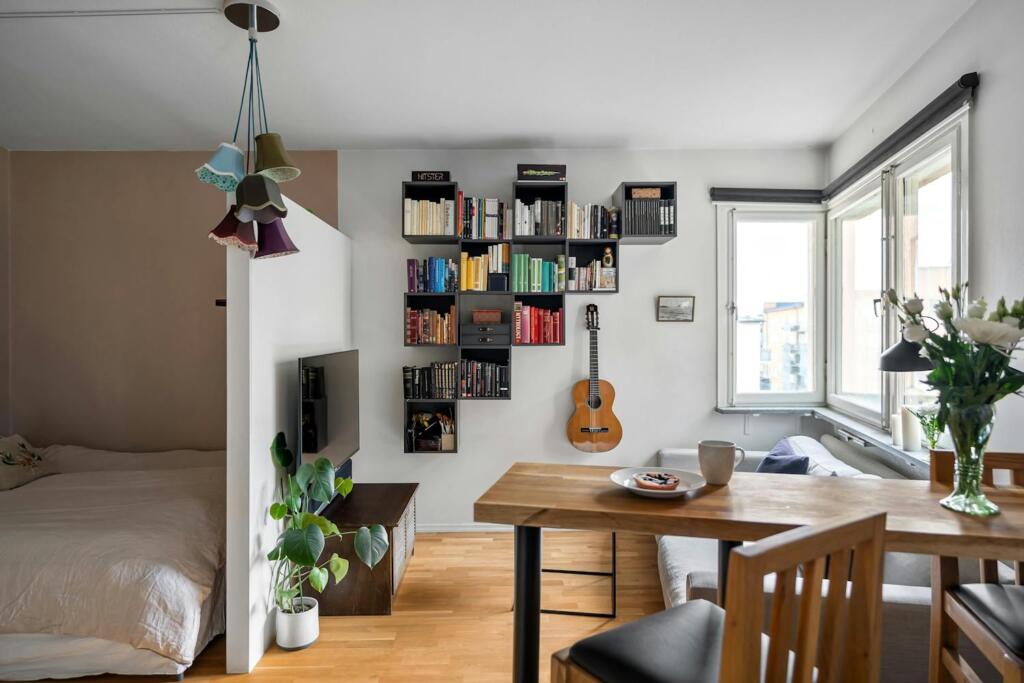
Expanding on making a studio flat homely, consider incorporating elements that stimulate all the senses. Textiles play a big role in comfort; invest in quality bedding, soft towels, and comfortable couch covers. These not only serve their functional purpose but also add a layer of luxury and comfort.
Art and music are other avenues to explore. Display art that speaks to you, and have a dedicated Bluetooth speaker or small stereo system to play music that you love, which can greatly enhance the ambiance of your space.
Finally, consider the layout. Arrange your furniture to create small “zones” for different activities, like a sleeping zone, a work zone, and a leisure zone. This can help the space feel larger and more organized, contributing to a homely feeling.
Looking for the perfect couch to complement your studio apartment? Check out our curated list of the Best Couches for Apartments to find stylish and space-saving options that fit your needs
How Do I Make My Studio Apartment Look Like a Hotel?
To make your studio apartment resemble a hotel, start with a clean, uncluttered layout. Opt for a neutral color palette with pops of color for an elegant and sophisticated look. Invest in high-quality linens and plush bedding to recreate the luxurious feel of a hotel room.
Furniture should be stylish yet functional; choose pieces that have a modern aesthetic with clean lines. Add a small seating area with a couple of chairs and a table, similar to a hotel suite, to provide a place to relax other than the bed.
To mimic the hotel experience, focus on the details: have a place for everything and keep everything in its place. Use stylish trays to organize items on surfaces and choose decor that complements the overall design theme.
Don’t forget that the right decor can make all the difference! Explore creative ideas in our guide on Apartment Decorations to bring your space to life with style and personality
How Do You Declutter a Studio Apartment?
Decluttering a studio apartment can be challenging due to limited space, but it’s essential for maintaining an open and inviting atmosphere. Start by sorting through your belongings and deciding what to keep, donate, or discard. Be ruthless in your choices, keeping only what you truly need or love.
Use smart storage solutions to keep necessary items out of sight but easily accessible. Under-bed storage, over-the-door hooks, and storage ottomans are excellent for stashing away belongings without taking up valuable living space.
Maintain your decluttered space by regularly reviewing what you have and ensuring everything has its place. This ongoing process will help keep your studio apartment feeling spacious and tidy.
How Do I Downsize My Studio Apartment?
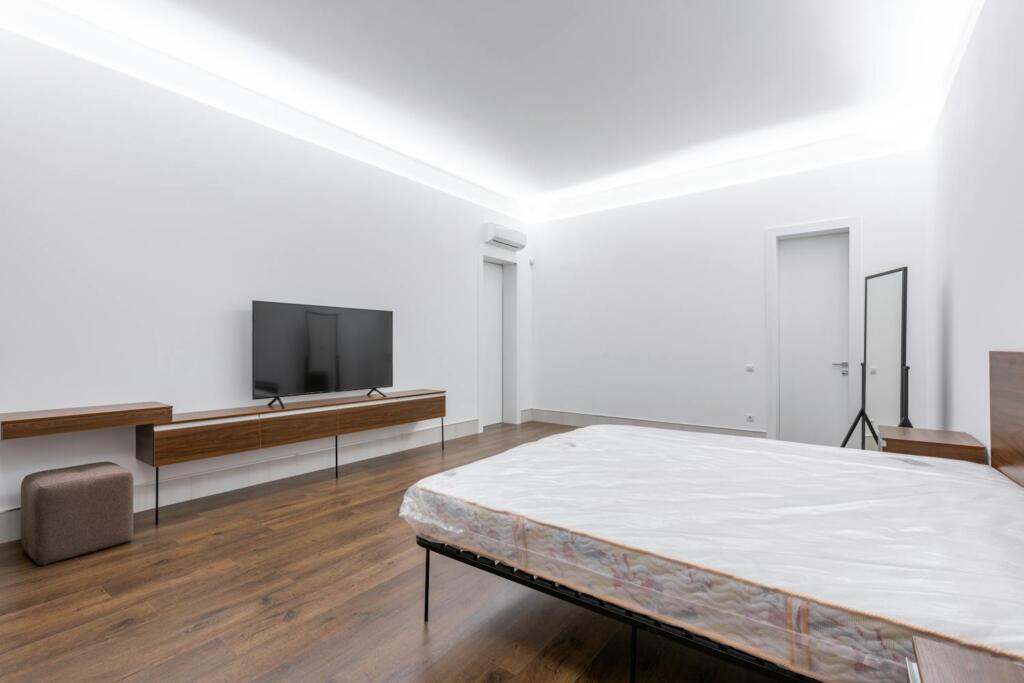
Downsizing within a studio apartment involves prioritizing space efficiency and minimizing possessions. Start by evaluating your belongings and identifying items that are essential for daily living versus those that are rarely used. This process often reveals that many items can be sold, donated, or stored elsewhere to free up space.
Consider investing in dual-purpose furniture to make the most of the available space. For example, a daybed can serve as both a sofa and a guest bed, while a dining table can double as a workspace. These pieces allow you to maintain functionality without cluttering your living area. Additionally, vertical storage solutions such as tall bookshelves and wall-mounted racks can keep floors clear and items organized.
Lastly, maintain a minimalist mindset by regularly reassessing your belongings and storage setup. Avoid impulse purchases, and before bringing something new into your home, ensure it has a specific purpose. This continuous commitment to downsizing can keep your studio feeling spacious and well-organized.
How Many Boxes Do You Need to Pack a Studio Apartment?
Packing a studio apartment for a move requires careful planning to minimize the number of boxes and maximize space. Start by categorizing your belongings into essentials and non-essentials. Essentials will need to be packed last and unpacked first at your new location, so keeping them accessible is key.
Typically, a well-organized studio apartment might require between 10 to 15 medium-sized boxes, depending on how much you own. Use specialized boxes for fragile items like dishes and electronics, and consider vacuum-seal bags for clothing and linens to save space. Labeling each box clearly by category and room (even if it’s all one room) can streamline the unpacking process.
Additionally, use this opportunity to declutter further. As you pack, ask yourself if each item is worth moving or if it can be donated or sold. Reducing the volume of possessions not only cuts down on packing materials but also makes setting up your new place easier and quicker.
Can Two People Fit in a Studio Apartment?
Living in a studio apartment with another person requires mutual understanding and creative use of space. First, define separate areas for personal time, even in a small space; this might mean setting up a curtain or bookshelf to create a sense of division between the sleeping area and the living area.
Furniture that doubles as storage can dramatically improve the livability of a studio for two. Look for a bed with storage drawers, a sofa with storage under the seat, or a coffee table with shelves. These solutions help keep personal items out of common spaces, maintaining order and reducing clutter.
Communication is also key when sharing a studio apartment. Regular discussions about space usage, cleanliness, and schedules can prevent conflicts. Setting rules about guests, chores, and quiet hours will help ensure that the apartment remains a peaceful and organized sanctuary for both occupants.
How Many People Can Fit in a Studio Apartment?
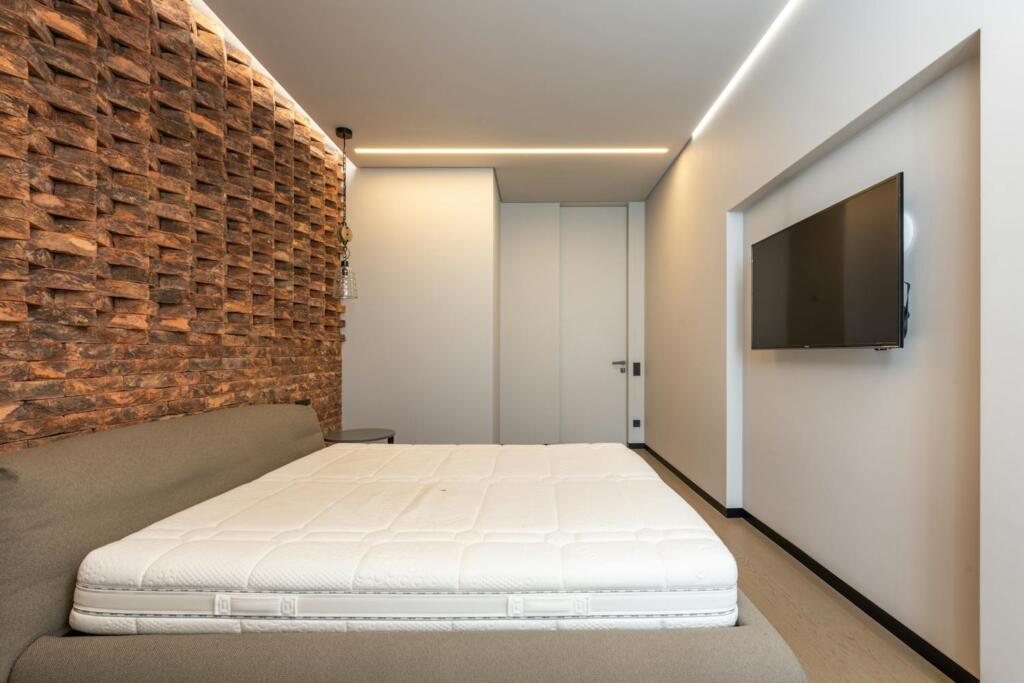
The number of people that can comfortably live in a studio apartment varies based on the apartment’s size and layout. Legally, occupancy limits are usually defined by local housing codes, which often stipulate a maximum of two people for a typical studio. However, practical comfort and lifestyle preferences also play significant roles.
Spatial planning becomes critical when accommodating more than one person. Using space dividers such as curtains or screens can help create personal areas within the limited space. Optimizing vertical space for storage and selecting multi-functional furniture can also make the living arrangement more manageable.
It’s important to consider the increased need for organization and privacy with each additional occupant. Frequent communication and clear agreements on space usage can help prevent overcrowding and maintain a comfortable living environment for everyone involved.
How to Furnish a Room Self-Contain?
Furnishing a self-contained room, or a studio apartment, requires focusing on maximizing functionality in a compact space. Start with the basics: a bed, storage solutions, a seating area, and a kitchenette. Choose a bed with built-in storage to save space, and opt for high-quality, space-saving kitchen appliances.
Next, consider the layout. Position furniture to delineate different areas—sleeping, living, and eating—within the single room. This can help the space feel larger and more organized. Rugs and lighting can also define and enhance these separate zones.
Don’t forget about decor and personal touches. Even in a small space, elements like art, plants, and decorative items can express your style and make the space feel homely and inviting. Choose items that reflect your personal taste but don’t overwhelm the space, focusing on quality over quantity.
How Do I Turn My Room into a Studio Apartment?
Converting a single room into a studio apartment-style living space involves careful planning and strategic furnishing. Start by defining the functional areas within the room: sleeping, eating, working, and relaxing. Each area should serve its purpose without encroaching on the others. For example, a loft bed can elevate your sleeping area, freeing up space underneath for a desk or sofa.
Invest in multi-functional furniture that maximizes usability without occupying too much space. A Murphy bed that folds into the wall can transform a sleeping area into a living area during the day. Similarly, expandable dining tables or foldable chairs can be stored away when not in use to free up space.
Lastly, consider the aesthetics and practicalities of the space. Use light colors to make the room feel bigger and brighter, and incorporate mirrors to create the illusion of more space. Ensure there is sufficient lighting and storage to keep the space functional and free of clutter.
How Do I Get the Most Out of My Studio Apartment?
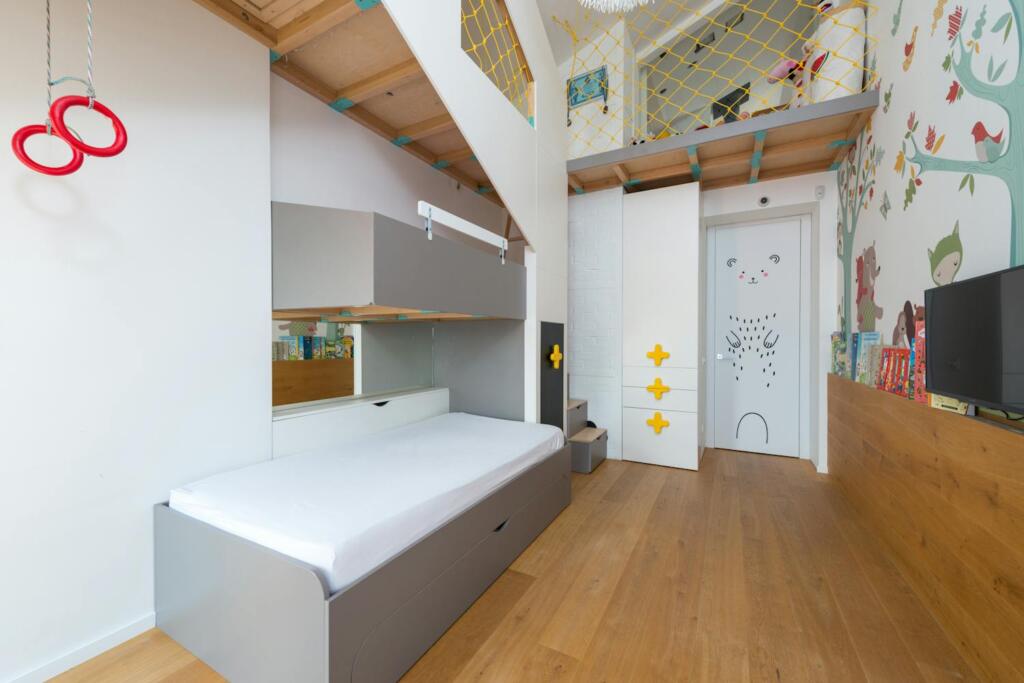
Maximizing the utility of a studio apartment is all about smart space management and maintaining an organized environment. Firstly, consider the flow of the space. Arranging furniture strategically can help define separate areas and make the apartment feel larger and more functional. For example, placing a bookshelf perpendicularly to a wall can create a distinct separation between the living area and the sleeping area.
Secondly, invest in quality over quantity when it comes to furnishings. Choose pieces that are not only stylish but also highly functional and durable. Look for items like ottomans with storage inside, or a bed with drawers underneath, which can provide extra storage space without requiring more square footage.
Lastly, keep the decor minimal and cohesive. A unified color scheme and consistent design style can make the space feel put-together and expansive. Regular decluttering and thoughtful organization of items are crucial in a studio setting, where space is at a premium and can easily feel cramped.
How Do You Exercise in a Studio Apartment?
Exercising in a studio apartment might seem challenging due to space constraints, but with a bit of creativity, it can be effectively accomplished. First, consider equipment that is compact or easily storable, such as resistance bands, a yoga mat, and dumbbells. These can be tucked away under a bed or in a closet when not in use.
Secondly, make use of digital resources. Numerous online platforms offer a wide range of workout routines that can be done in limited spaces. These include yoga, pilates, and high-intensity interval training (HIIT) sessions, which typically require little to no equipment.
Lastly, reorganize your furniture if necessary to create a temporary workout space. Even moving a coffee table or folding chairs can free up enough room to exercise comfortably. Establishing a routine and preparing your space before each workout can also help make the process smoother and more enjoyable.
How Do You Air Out a Studio Apartment?
Good air quality is essential for comfort and health, especially in a compact living space like a studio apartment. Start by regularly opening windows to allow fresh air to circulate and stale air to escape. If privacy or weather conditions are a concern, even partially opened windows can significantly improve ventilation.
Secondly, consider investing in an air purifier, especially if you live in an area with high pollution levels or if you have allergies. Air purifiers can help remove contaminants and allergens from your indoor environment, making it healthier to breathe.
Additionally, make use of exhaust fans in the kitchen and bathroom to remove odors and excess humidity. These fans help prevent the buildup of mold and mildew, which are common in damp areas. Regular cleaning and vacuuming can also reduce dust and improve the overall air quality in your apartment.
Is a Studio Apartment Too Small for One Person?
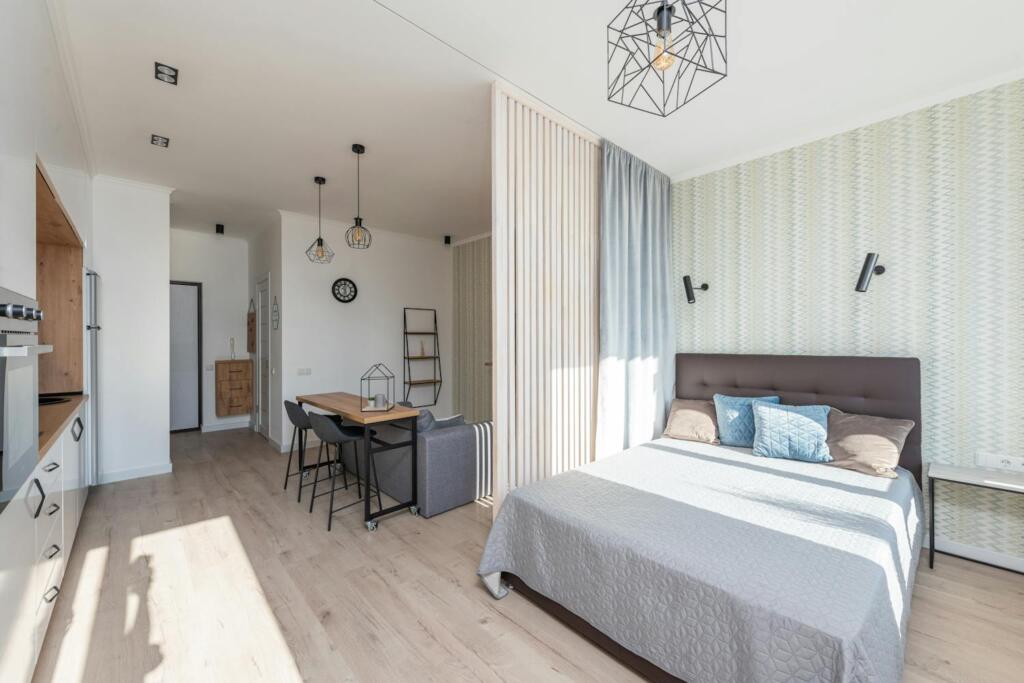
Whether a studio apartment is too small for one person depends largely on individual lifestyle and organization skills. For those who prefer a minimalist lifestyle or are often out and about, a studio can be perfectly adequate and cozy. It encourages simplicity and can be easier to maintain than larger living spaces.
However, it’s important to organize and utilize every inch of space wisely. Multi-functional furniture, effective storage solutions, and a good layout are key to living comfortably in a studio. Being creative with vertical space, such as using wall-mounted shelves and hooks, can also free up floor space and keep the apartment from feeling cramped.
Engaging in regular decluttering sessions can also make a big difference. Keeping only what you truly need and love not only frees up physical space but also creates a more relaxing and enjoyable living environment. If you find yourself feeling confined, consider rearranging your setup or reducing possessions to optimize the space further.
How Many People Can Fit in a Studio Apartment?
Legally, the number of people that can live in a studio apartment is often governed by local housing codes, which typically suggest a maximum of two adults. However, from a practical standpoint, the comfort level for multiple occupants can vary based on the layout and size of the apartment.
For couples or close friends, living in a studio can be manageable if both are committed to maintaining organization and respecting each other’s space and privacy. Efficient use of space, such as dividing the area into distinct zones and using space-saving furniture, can make shared living more comfortable.
However, accommodating more than two people on a regular basis can challenge the functionality and comfort of a studio apartment. It’s essential to consider not only sleeping arrangements but also the adequacy of kitchen and bathroom facilities to support multiple occupants.
How to Furnish a Studio Apartment
Furnishing a studio apartment may seem overwhelming at first, but it’s also an opportunity to get creative and make the most of every square inch. Throughout this guide, we’ve explored how to approach this task with strategies like choosing multi-functional furniture, utilizing vertical space, and defining distinct zones. These techniques not only make your studio functional but also enhance its aesthetic appeal.
As someone who has learned through trial and error, I can confidently say that the key to a successful studio setup is a mix of practicality and personalization. Don’t be afraid to experiment with layouts, swap out furniture, or add personal touches like artwork and plants. Remember, every studio apartment tells a story, and yours should reflect your personality and lifestyle.
According to recent studies, well-furnished and organized studio apartments improve productivity and mental well-being, proving that thoughtful design has a real impact on daily life. So, take the time to plan your space thoughtfully, and you’ll find that living in a studio apartment can be just as fulfilling as a larger home. With the tips in this guide, you’re now equipped to make your studio not only livable but also an inspiring place to call home.