Kwanzaa Traditions: What Makes This Celebration So Unique?

Sohnne Design Studio
December 24, 2024
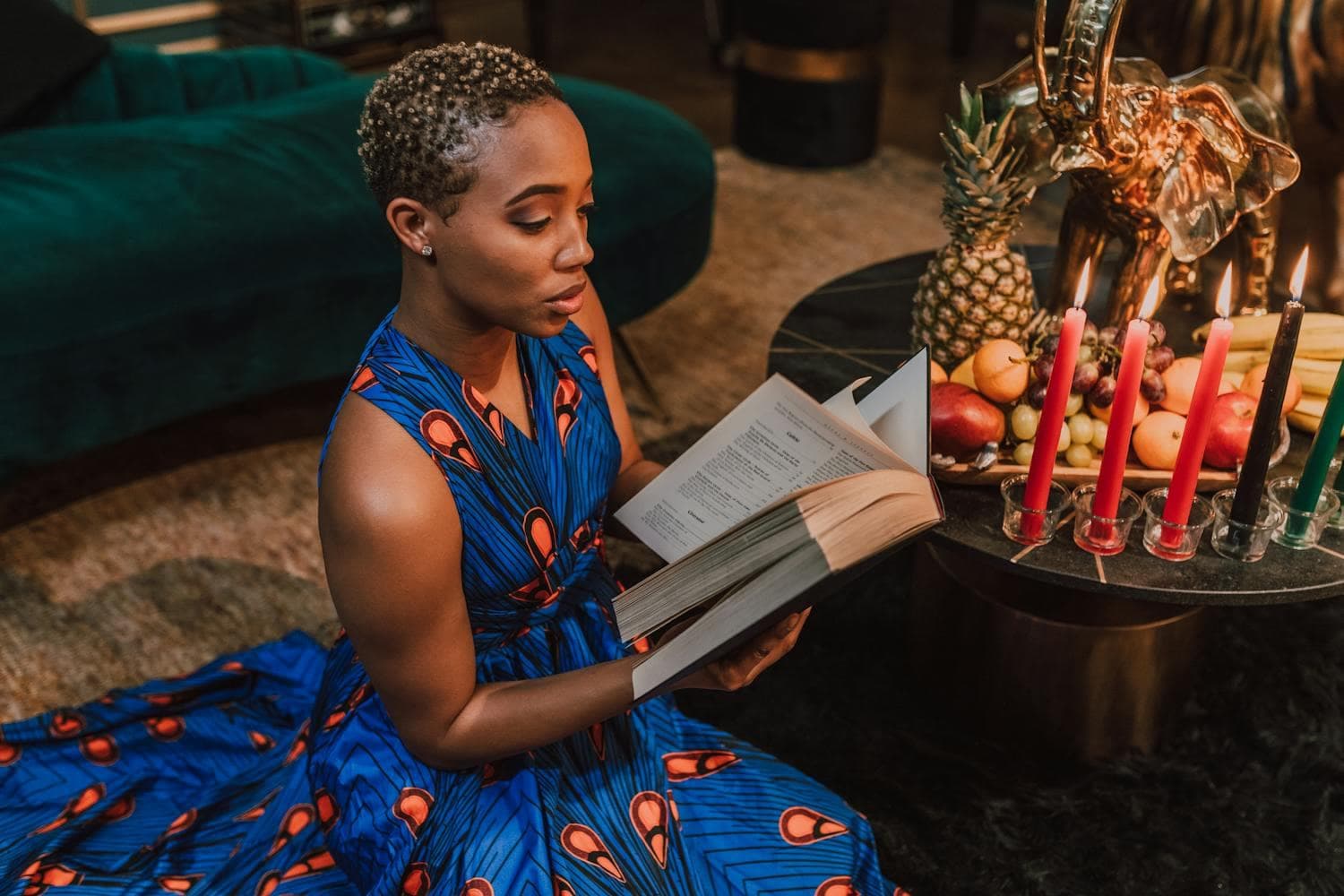
Have you ever wondered about the traditions and meaning behind Kwanzaa, a holiday celebrated by millions around the world? While often overshadowed by Christmas and New Year’s, Kwanzaa Traditions holds a unique place in history and culture, with its origins rooted in African-American heritage. Interestingly, according to a 2018 Pew Research survey, approximately 5% of Americans observe Kwanzaa annually, emphasizing the significance of community, culture, and unity.
One of the most fascinating aspects of Kwanzaa is its structured seven-day celebration, culminating in a day of reflection and the giving of gifts. But what exactly happens during Kwanzaa? Why are gifts exchanged on the last day, and what do they symbolize? This article delves into the traditions, history, and cultural significance of Kwanzaa, answering common questions and offering insights into this meaningful holiday.
What is Kwanzaa
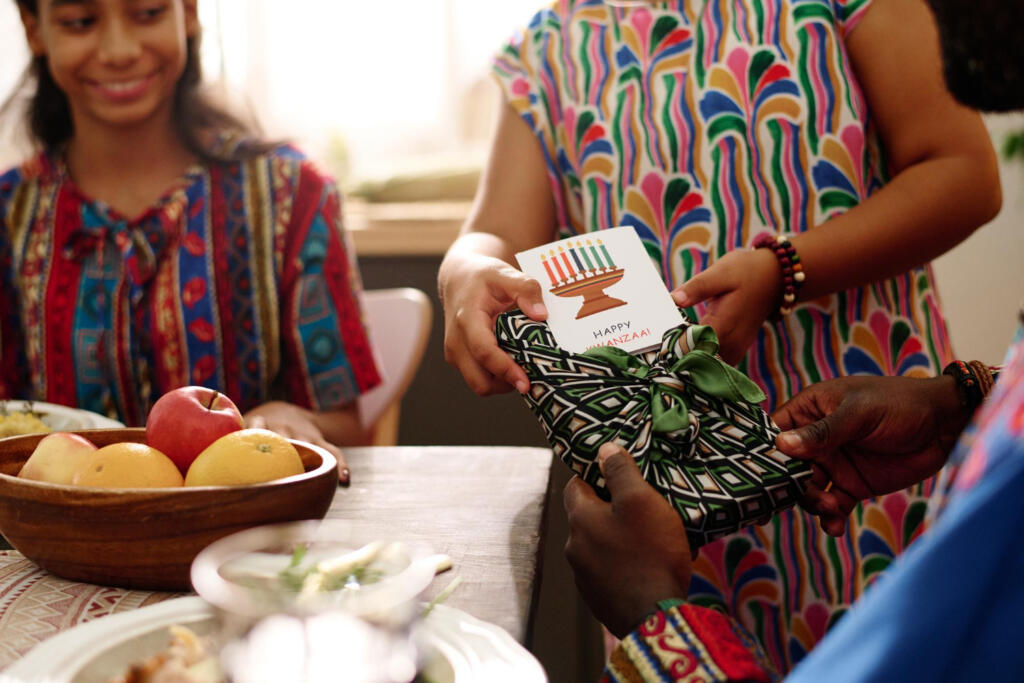
Kwanzaa is a week-long celebration that honors African-American culture, community, and heritage. Created in 1966 by Dr. Maulana Karenga, Kwanzaa is inspired by traditional African harvest festivals, focusing on the principles of unity, self-determination, and collective responsibility.
The name “Kwanzaa” is derived from the Swahili phrase matunda ya kwanza, meaning “first fruits.” Each of the seven days represents one of the Nguzo Saba, or seven principles, which serve as the foundation of the celebration. Kwanzaa is not tied to any religion, making it an inclusive cultural holiday for those seeking to connect with their roots and honor their community.
Kwanzaa Dictionary
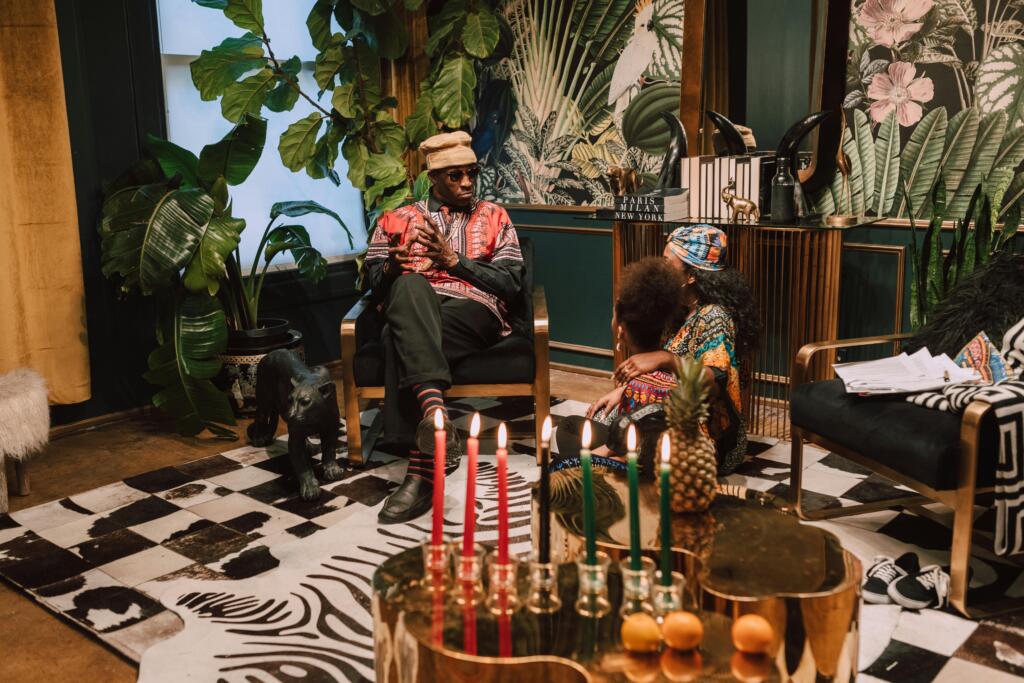
The term “Kwanzaa” has its own unique vocabulary tied to its principles and practices. Words like umoja (unity), kujichagulia (self-determination), and zawadi (gifts) are central to the celebration. The use of Swahili emphasizes a connection to African culture, as Swahili is one of the most widely spoken languages across the African continent.
Familiarizing yourself with Kwanzaa’s terms deepens your understanding of its meaning and purpose. These words serve as daily reminders of the principles guiding the holiday, making the celebration not only cultural but also educational.
When is Kwanzaa 2024?
In 2024, Kwanzaa will begin on Thursday, December 26, and continue until Wednesday, January 1. The seven-day observance starts the day after Christmas and extends through the New Year, offering a unique opportunity to transition from reflection to renewal as a new year begins. Interestingly, this timing often sparks comparisons to other holidays, such as Hanukkah, which sometimes falls earlier or later on the calendar depending on the year. For instance, Why is Hanukkah So Late in 2024? Fascinating Insights delves into the factors that influence holiday timing, offering deeper context to how cultural and religious observances align.
Unlike many holidays tied to specific days of the week or religious calendars, Kwanzaa is a fixed-date celebration. Its timing, following the holiday season, was intentional—Dr. Karenga wanted Kwanzaa to be a standalone celebration distinct from Christmas or Hanukkah. This placement also allows families to gather and reflect on the principles that guide their communities without overlapping with other major festivities.
What Happens on Day 7 of Kwanzaa?
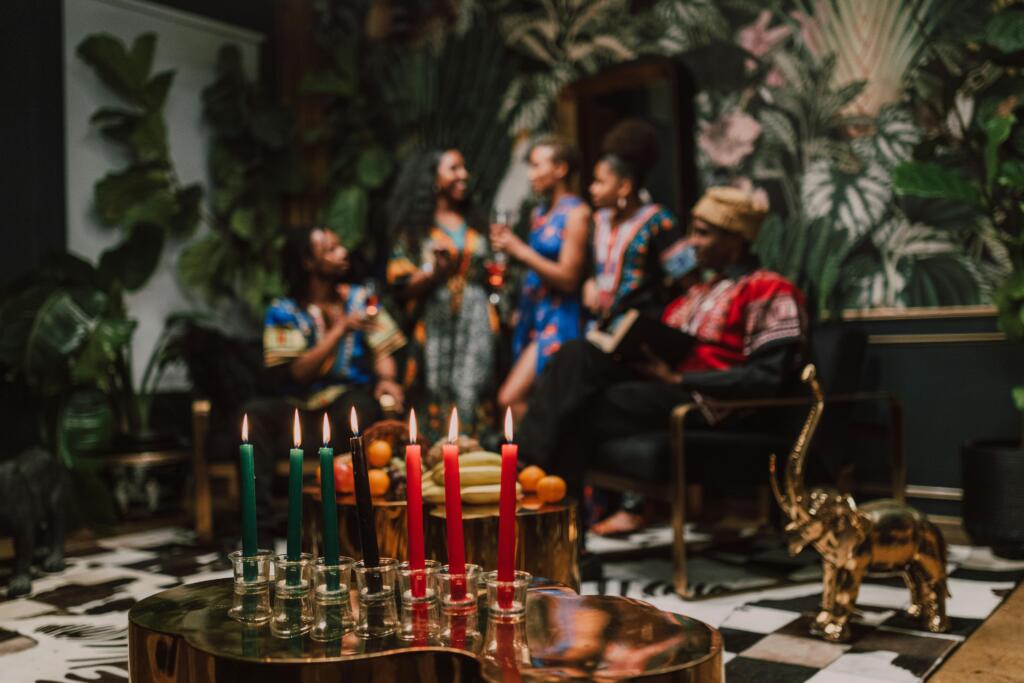
The seventh day of Kwanzaa, January 1, is dedicated to Imani, which means “faith.” This principle emphasizes the importance of believing in oneself, one’s community, and the collective efforts to achieve a brighter future. The day often begins with ceremonies of gratitude and ends with festive gatherings that highlight the bonds between family and community.
Imani is also a time to honor the past and look forward to the future. Participants reflect on the achievements of their ancestors while renewing their commitment to their shared values and goals. The seventh day often features a communal feast, known as Karamu Ya Imani, where symbolic foods are shared, and gifts, called Zawadi, are exchanged to recognize personal growth and contributions to the community.
Where is Kwanzaa Celebrated?
Kwanzaa is primarily celebrated in the United States, where it originated as a response to the Civil Rights Movement of the 1960s. However, its influence has spread globally, with celebrations observed in Canada, the Caribbean, and even parts of Africa. These celebrations are tailored to local traditions while maintaining the core principles of Kwanzaa.
In recent years, Kwanzaa has gained recognition beyond African-American communities. Schools, churches, and community organizations host Kwanzaa events to educate and foster understanding of African heritage and culture. While it remains most popular among African Americans, its universal principles of unity and self-determination resonate with people of all backgrounds.
In What Country Was Kwanzaa First Celebrated?
Kwanzaa was first celebrated in the United States in 1966. Its creation by Dr. Maulana Karenga was part of a larger effort to address cultural identity among African Americans during the Civil Rights Movement. The initial celebrations were small and community-focused but quickly gained traction as more people embraced the holiday’s message of pride and empowerment.
While the holiday draws inspiration from traditional African harvest festivals, it was designed as a distinctly African-American celebration. The United States remains the epicenter of Kwanzaa celebrations, with millions of families participating annually in various forms, from intimate gatherings to large public events.
When Was Kwanzaa First Celebrated?
The first Kwanzaa celebration took place in 1966, during a pivotal era of social and cultural change in America. Dr. Karenga introduced the holiday as a way for African Americans to reconnect with their heritage and foster a sense of community. The celebration initially included performances, discussions, and symbolic rituals that emphasized African traditions.
Over the decades, Kwanzaa has evolved while staying true to its original purpose. What began as a small, localized event has grown into a nationwide observance that encourages cultural pride and unity. Its principles remain as relevant today as they were in the 1960s, serving as a guide for personal and communal growth.
What Countries Celebrate Kwanzaa?
While Kwanzaa originated in the United States, its principles have inspired celebrations in other countries with significant African diasporas, such as Canada, Jamaica, and the United Kingdom. These celebrations often incorporate local traditions while honoring the universal values of Kwanzaa, like unity and self-determination.
Kwanzaa’s growing global reach reflects the interconnectedness of African-descended communities worldwide. In countries like South Africa and Ghana, elements of Kwanzaa are observed, though the holiday itself is not as widely recognized. This highlights the adaptability and universal appeal of its core values.
What Religion is Kwanzaa?
Kwanzaa is not a religious holiday. Instead, it is a cultural celebration that focuses on African heritage, community, and shared values. Its principles, while spiritual in nature, are secular and applicable to people of all faiths or no faith at all. This inclusivity allows diverse communities to participate in the observance.
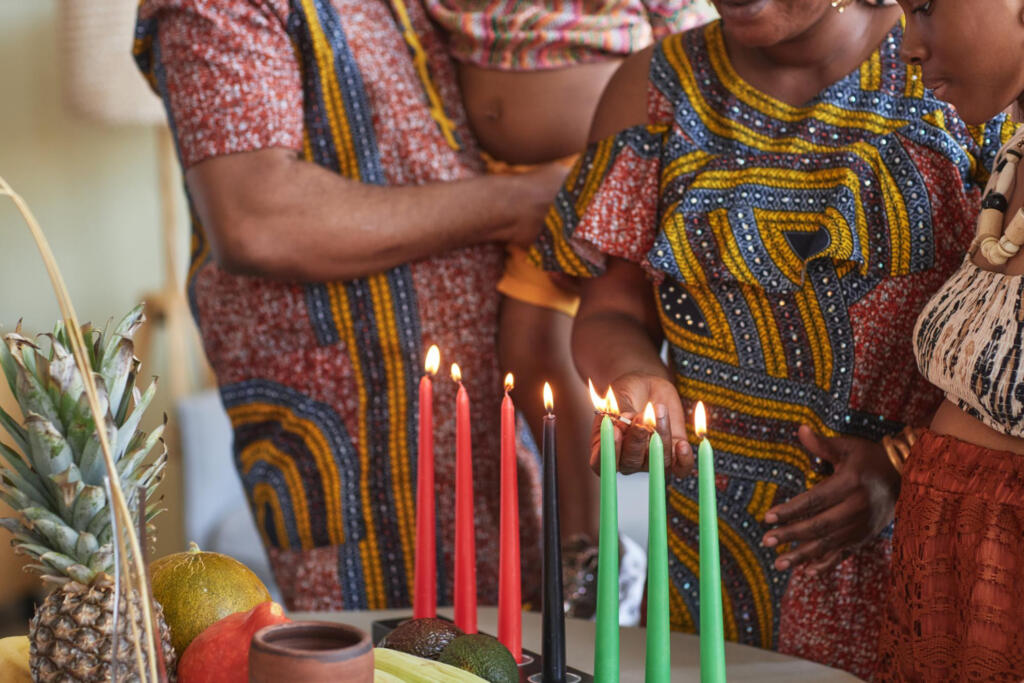
While Kwanzaa often includes rituals like lighting candles and communal gatherings, these practices are symbolic rather than religious. The holiday’s universal themes of unity, self-determination, and collective responsibility resonate across cultural and spiritual boundaries, making it a unifying celebration.
Is Kwanzaa Celebrated in Africa?
Kwanzaa, though inspired by African traditions, is not widely celebrated on the African continent. It was created in the United States as a cultural celebration for African Americans to reconnect with their heritage and embrace the principles of unity, self-determination, and collective progress. However, many of its practices and symbols draw directly from traditional African festivals, such as harvest celebrations and communal feasts.
In Africa, countries like Ghana, Nigeria, and South Africa have their own rich cultural festivals, which may share thematic similarities with Kwanzaa but are distinct to their local traditions. Despite this, Kwanzaa has gained some recognition in African-descended communities worldwide, fostering global connections among the African diaspora.
Kwanzaa Symbols
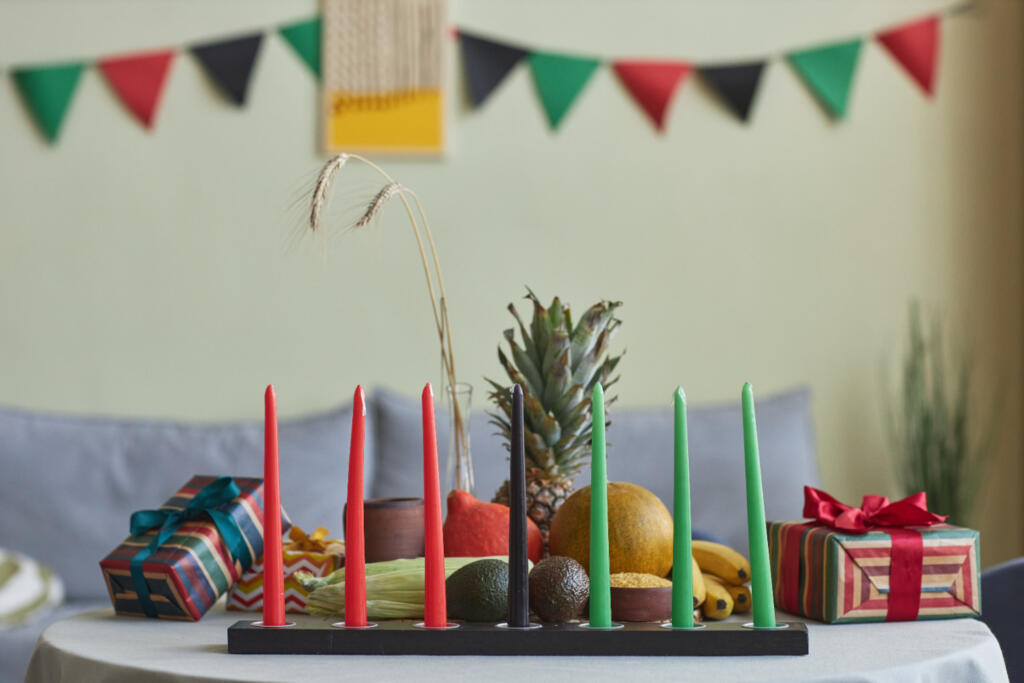
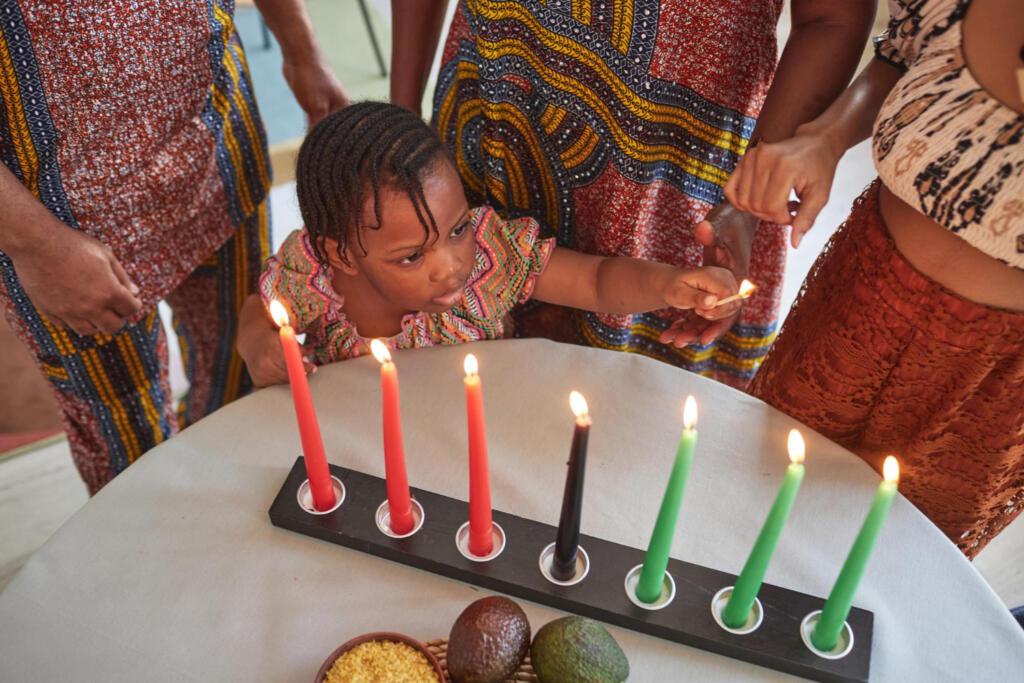
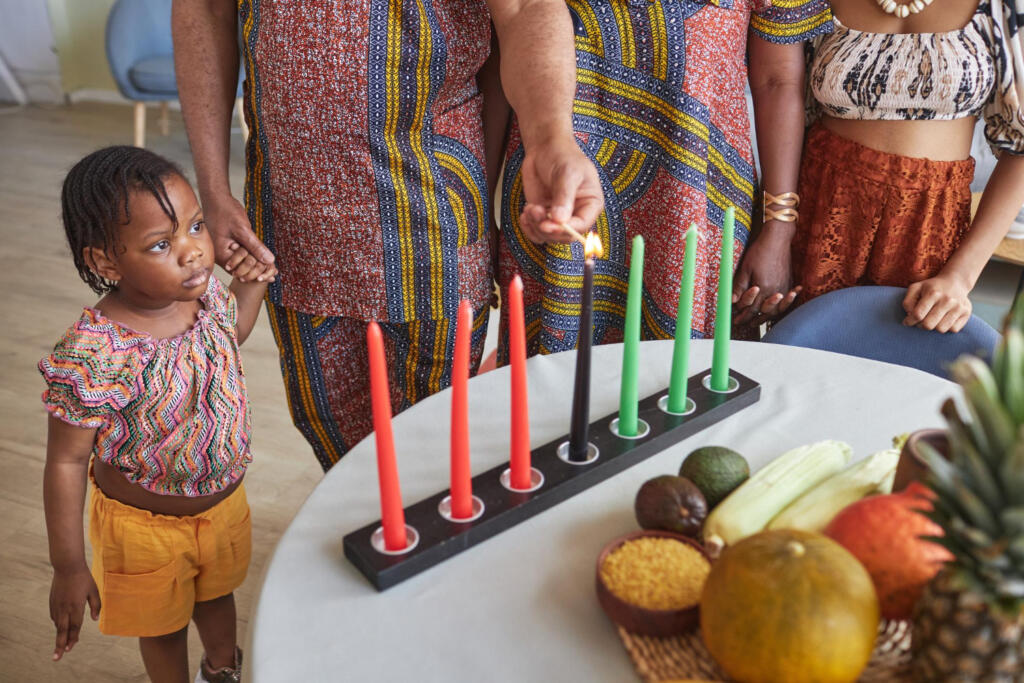
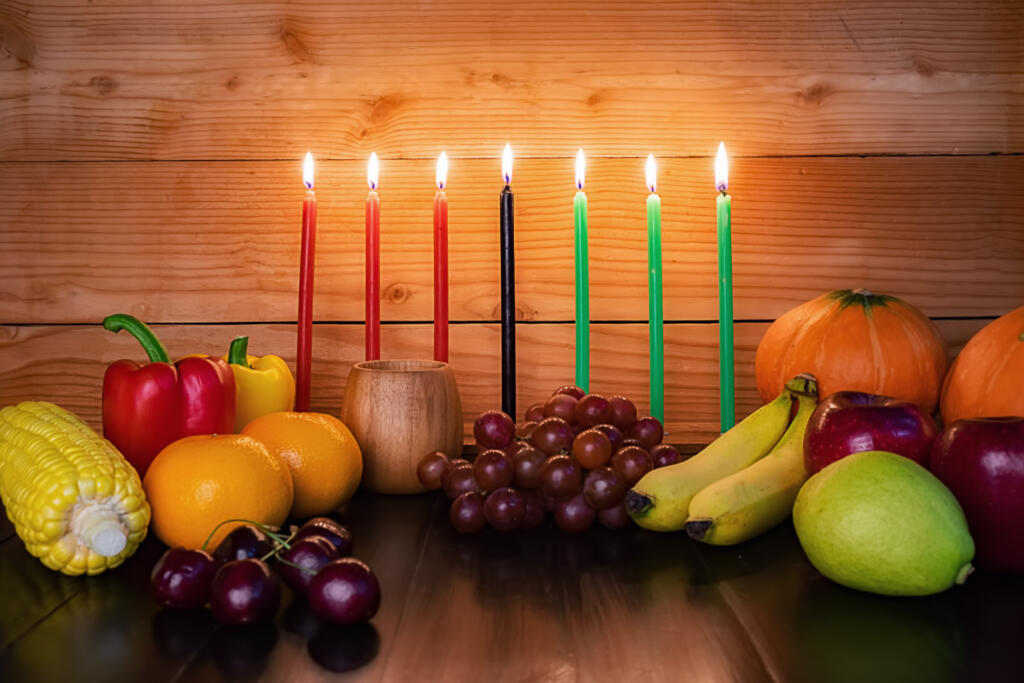
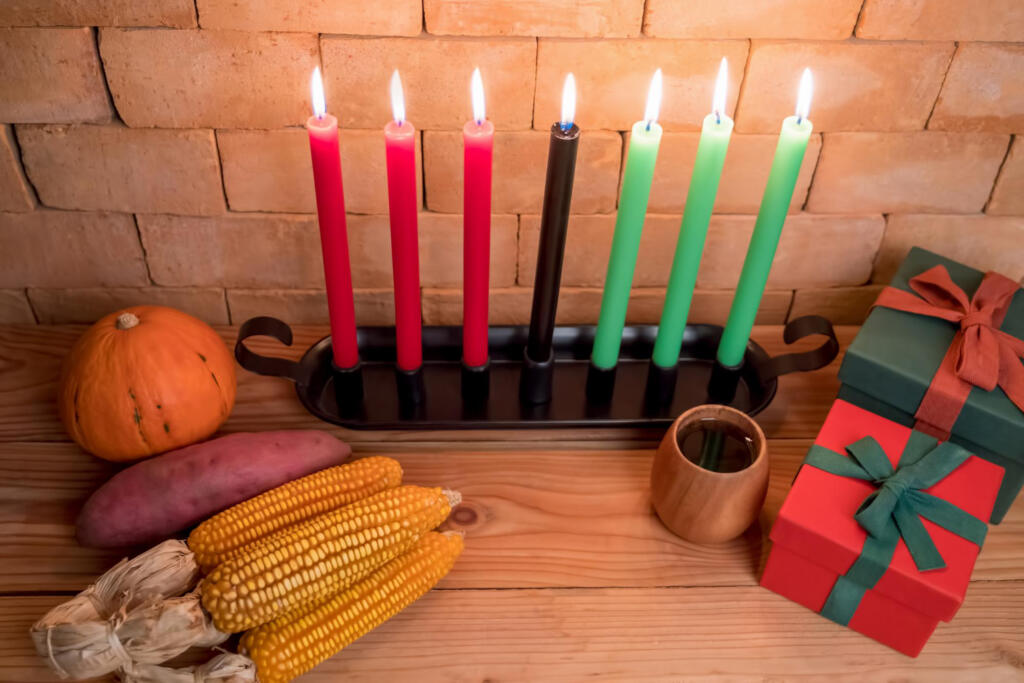
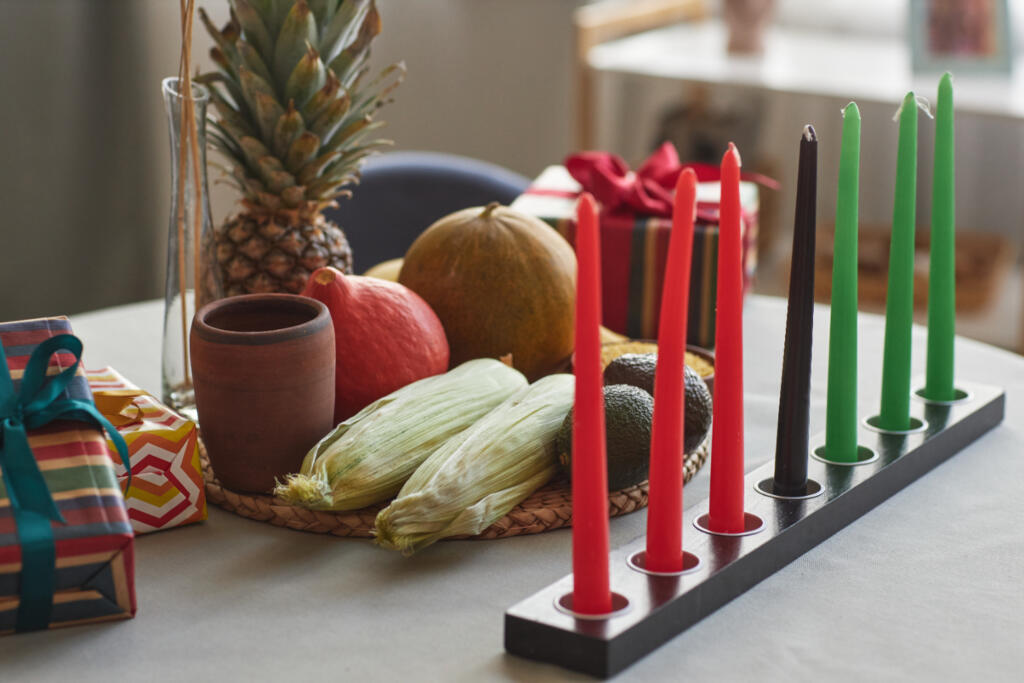
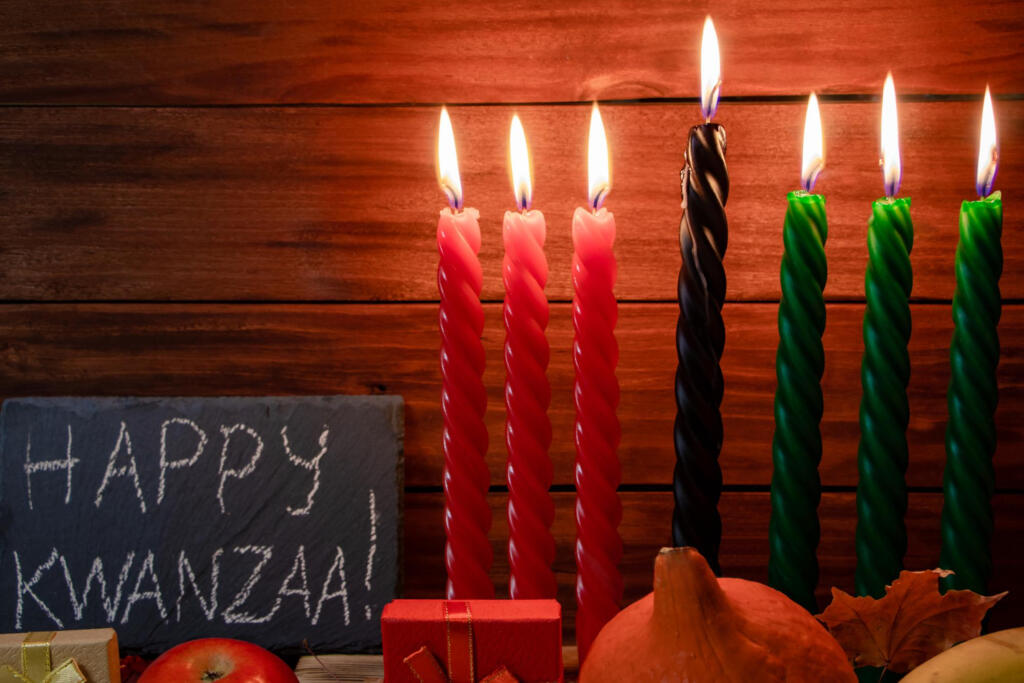
The symbols of Kwanzaa are deeply meaningful, representing the principles and values that guide the celebration. The Kinara, a seven-branched candleholder, is perhaps the most iconic symbol. It holds three red candles, three green candles, and one black candle, symbolizing the struggles, hope, and unity of African people. Lighting these candles each day of Kwanzaa reflects on one of the seven principles (Nguzo Saba).
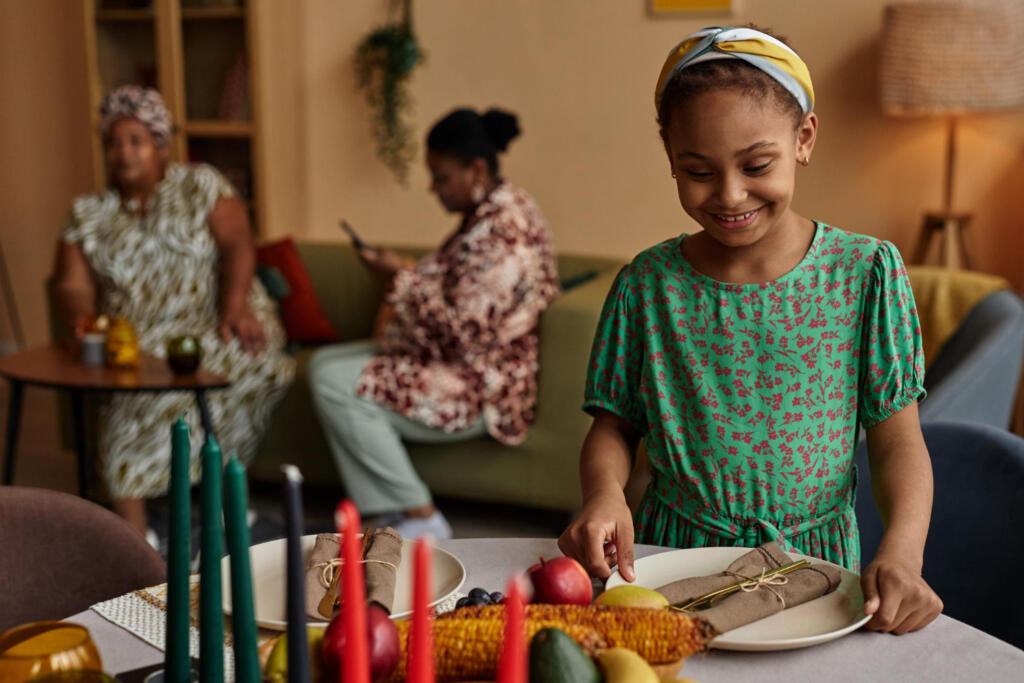
Other symbols include the Mkeka (straw mat), which forms the foundation for all Kwanzaa items, and the Mazao (crops), representing the fruits of hard work and collective effort. The Kikombe cha Umoja (unity cup) is used to honor ancestors during communal rituals. Together, these symbols create a meaningful and reflective environment for celebrating African culture and heritage.
Who Celebrates Kwanzaa?
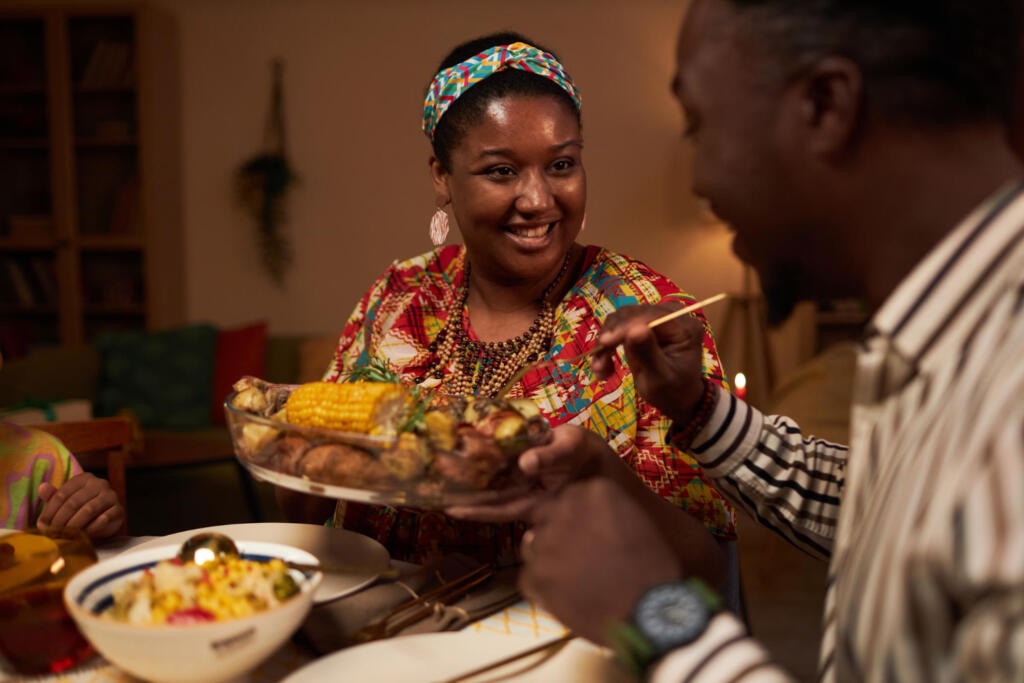
Kwanzaa is primarily celebrated by African Americans, though its principles and values resonate with people from diverse backgrounds. Millions of families across the United States and other countries with African diasporas participate in the celebration, reflecting on the importance of unity, self-determination, and cultural pride.
While Kwanzaa was initially created for African Americans, it has grown in popularity among schools, community centers, and organizations seeking to promote cultural education and inclusivity. Its universal principles make it accessible to anyone who wishes to celebrate unity and collective progress.
Kwanzaa Food
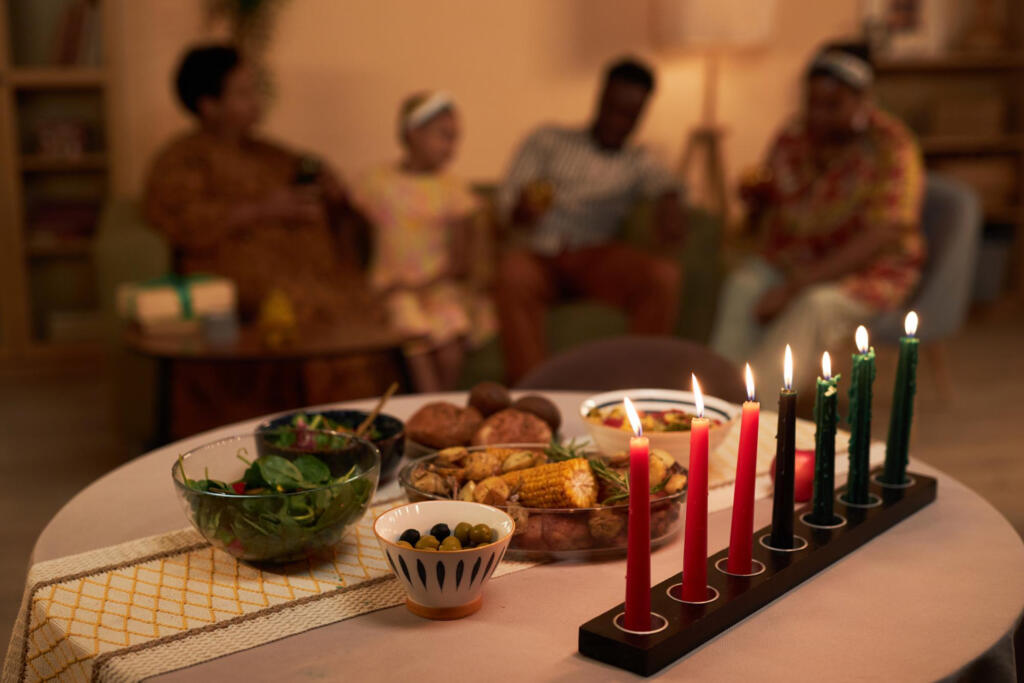
Food plays a central role in Kwanzaa celebrations, particularly during the Karamu Ya Imani (Feast of Faith) held on the sixth day of the holiday. Traditional dishes often reflect the African-American experience, blending Southern soul food with flavors and ingredients inspired by African cuisine. Staples like collard greens, sweet potatoes, and black-eyed peas are common, along with dishes like jollof rice or fried plantains.
Sharing meals during Kwanzaa symbolizes unity and gratitude, as food serves as a way to bring people together. Each dish carries cultural significance, reflecting the rich history and resilience of African-descended communities. Families often incorporate their unique traditions into the feast, making it a deeply personal and communal experience.
Kwanzaa Traditions
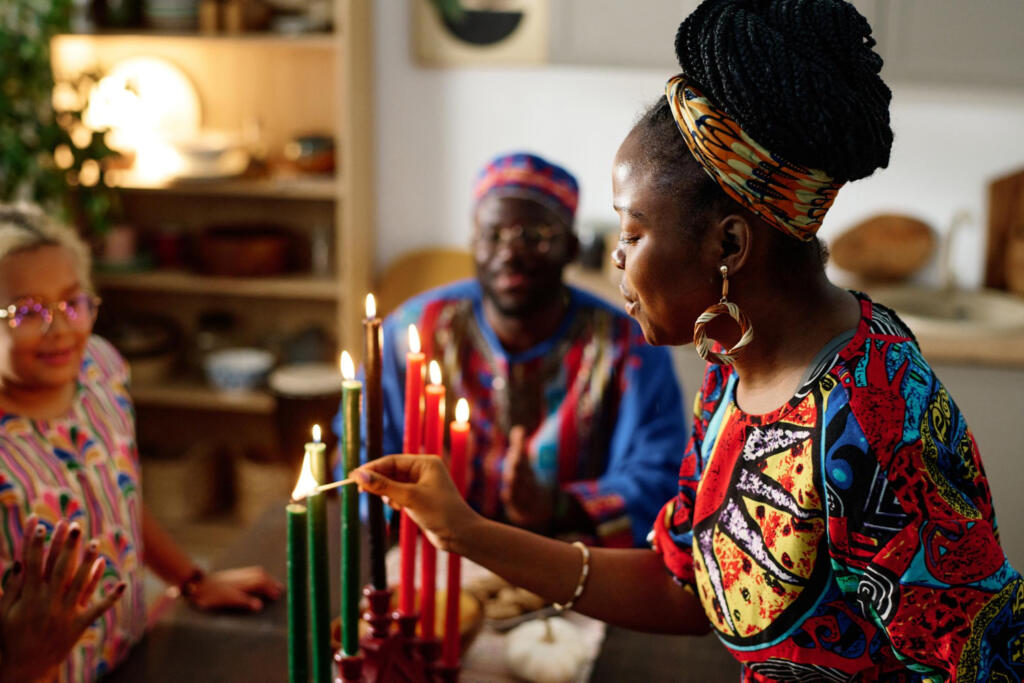
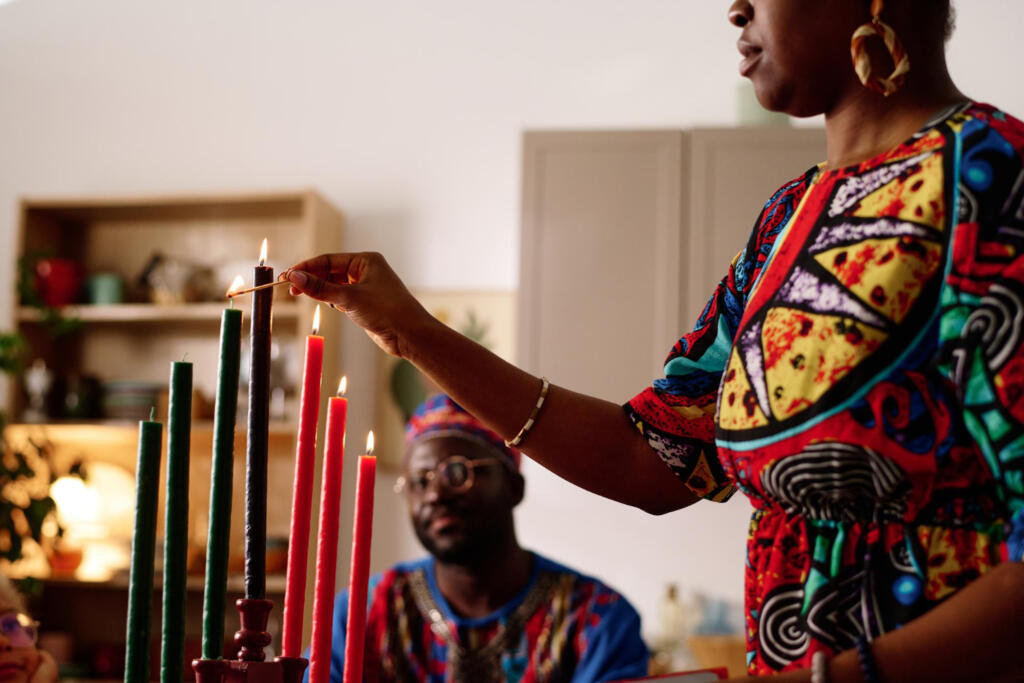
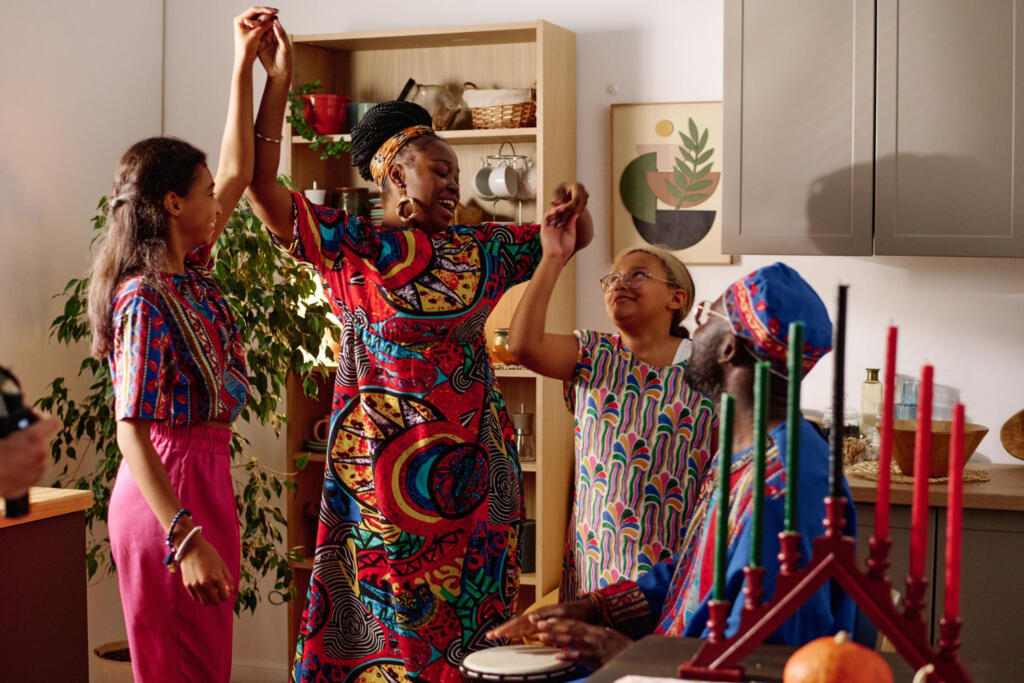
Kwanzaa traditions are rooted in African culture and aim to foster community, reflection, and celebration. Lighting the candles on the Kinara is one of the most symbolic rituals, with each candle representing one of the seven principles (Nguzo Saba). This daily ritual serves as a time for families to gather and discuss the principle of the day, reflecting on its relevance to their lives.
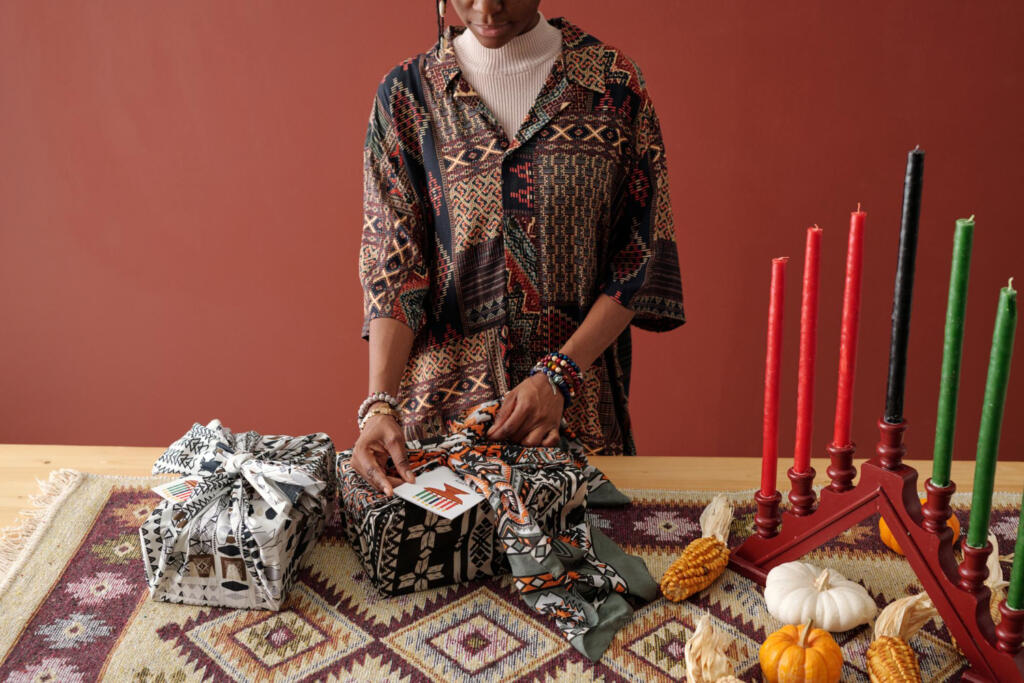
Another key tradition is the exchange of Zawadi (gifts), which are often handmade and emphasize education and personal growth. Communal feasts, storytelling, and music also play significant roles, reinforcing the importance of community and cultural heritage. These traditions create a meaningful framework for celebrating Kwanzaa while strengthening bonds among family and friends.
History of Kwanzaa
Kwanzaa was created in 1966 by Dr. Maulana Karenga during the height of the Civil Rights Movement. Its origins are deeply tied to the African-American struggle for cultural identity and empowerment. Dr. Karenga designed Kwanzaa to reconnect African Americans with their ancestral heritage, blending traditional African practices with modern principles of self-determination and unity.
Initially celebrated within small community groups, Kwanzaa quickly gained national recognition, thanks to its emphasis on cultural pride and collective responsibility. Today, it is celebrated by millions across the United States and beyond, serving as a powerful reminder of the resilience and achievements of African-descended communities.
Do Muslims Do Kwanzaa?
Kwanzaa is a cultural celebration, not a religious holiday, which means it can be observed by people of any faith, including Muslims. Its principles, such as unity (Umoja) and collective responsibility (Ujima), are universal and align with values found in many religious traditions. This inclusivity allows Muslims and people of various beliefs to participate in Kwanzaa celebrations.
While Kwanzaa rituals are not tied to any specific religious practice, individuals often adapt the holiday to fit their personal or spiritual beliefs. For Muslims, this might include incorporating Islamic values into the celebration while honoring the cultural heritage Kwanzaa represents.
What Type of Religion is Kwanzaa?
Kwanzaa is not a religion; it is a cultural holiday that celebrates African heritage, community, and shared values. Although it includes rituals and symbols, such as lighting candles and reflecting on principles, these practices are entirely secular. This distinction makes Kwanzaa accessible to people of all faiths or those who identify as non-religious.
The holiday focuses on principles like self-determination, unity, and collective work, which resonate universally. By fostering reflection and community, Kwanzaa provides a framework for individuals and families to honor their roots and envision a brighter future without the constraints of religious affiliation.
What is a Main Purpose of Kwanzaa?
The main purpose of Kwanzaa is to celebrate African heritage and promote unity, self-determination, and community responsibility. Through its seven guiding principles (Nguzo Saba), Kwanzaa encourages individuals to reflect on their cultural identity while working toward collective progress.
Kwanzaa is also an opportunity for African Americans to reconnect with their ancestral traditions, many of which were disrupted by slavery and colonization. By honoring these traditions and values, Kwanzaa fosters a sense of pride and empowerment, serving as a reminder of the resilience and achievements of African-descended communities.
Is Kwanzaa a Pagan Holiday?
Kwanzaa is not a pagan holiday. It is a cultural celebration designed to honor African heritage and community values. While it draws inspiration from traditional African festivals, such as harvest celebrations, it does not involve worship or religious rituals. Instead, its focus is on secular principles like unity (Umoja) and self-determination (Kujichagulia).
The misconception that Kwanzaa is pagan may arise from its use of symbolic items and rituals, such as lighting candles and exchanging gifts. However, these practices are cultural, not spiritual, making Kwanzaa a celebration of heritage rather than a form of religious observance.
Does Kwanzaa Go Against Christianity?
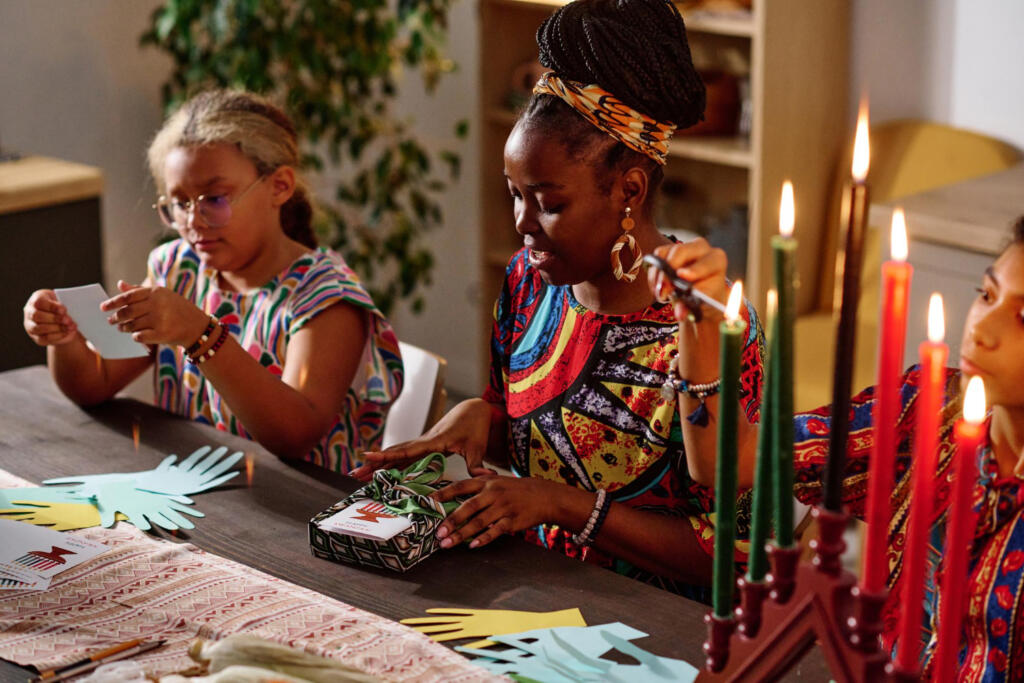
Kwanzaa does not conflict with Christianity or any other religion. Since it is a cultural holiday, not a religious one, many Christians, Muslims, and people of other faiths celebrate Kwanzaa alongside their religious traditions. For instance, it is common for families to celebrate both Christmas and Kwanzaa, blending the two holidays into a meaningful and reflective season.
The principles of Kwanzaa, such as unity and collective work, often align with the values of many religious teachings. This compatibility allows Kwanzaa to complement rather than contradict individual faith practices, making it a celebration that bridges cultural and spiritual identities.
Is Kwanzaa Jewish?
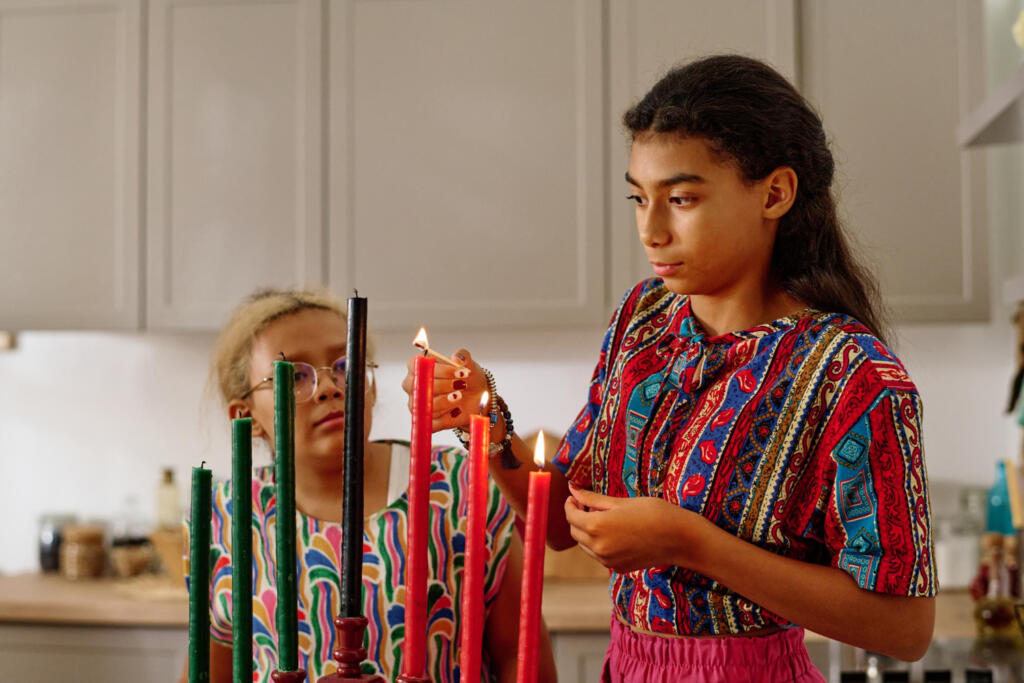
Kwanzaa is not a Jewish holiday, nor is it affiliated with any specific religion. It is a cultural celebration that focuses on African heritage, community, and the seven principles (Nguzo Saba). While Kwanzaa includes symbolic rituals, such as lighting the Kinara and reflecting on values like unity and self-determination, these practices are secular in nature.
People of Jewish faith, along with those of other religions, can observe Kwanzaa as a way to honor African heritage. Since its values resonate universally, individuals and families often find ways to incorporate Kwanzaa into their cultural or spiritual practices, making it a versatile and inclusive celebration.
What Is Kwanzaa for Kids?
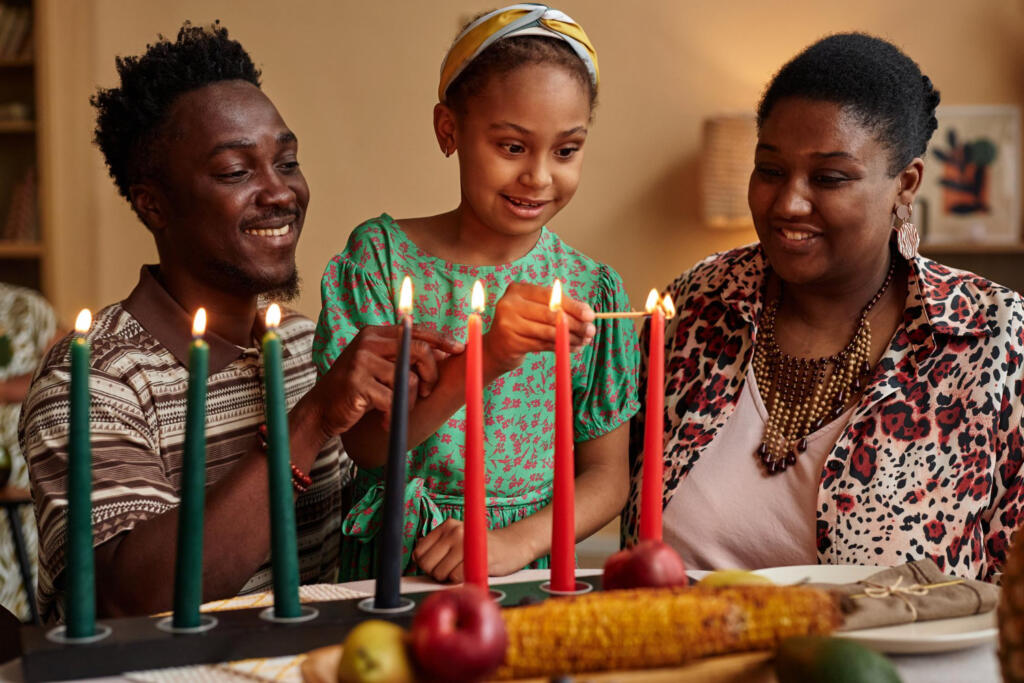
Kwanzaa offers a unique opportunity to teach children about African culture, values, and the importance of community. The holiday’s seven principles provide an accessible framework for lessons on unity, self-reliance, and creativity. For example, kids can participate in lighting the Kinara candles each day, learning about the significance of each principle.
Activities such as storytelling, crafts, and cooking traditional meals make Kwanzaa engaging and educational for young participants. Children can help create handmade Zawadi (gifts), such as drawings or poems, which emphasize thoughtfulness and personal effort over materialism. By involving kids in Kwanzaa traditions, families can foster a deeper understanding of cultural heritage and values that promote collective growth.
Origin of Kwanzaa
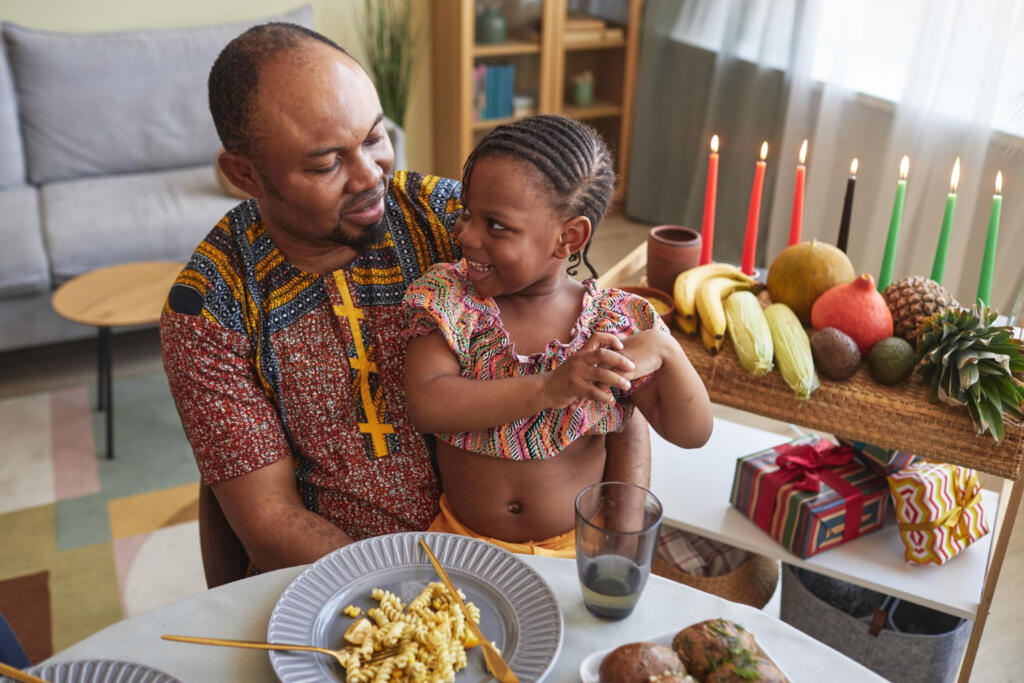
The origin of Kwanzaa dates back to 1966 when Dr. Maulana Karenga created the holiday as a response to the social and cultural challenges faced by African Americans during the Civil Rights Movement. Inspired by traditional African harvest festivals, Kwanzaa was designed to reconnect African Americans with their roots while promoting unity, cultural pride, and empowerment.
The name “Kwanzaa” comes from the Swahili phrase matunda ya kwanza, meaning “first fruits.” This ties the holiday to the agricultural celebrations of Africa, where harvest time symbolizes gratitude and community. Over time, Kwanzaa has grown into a widely recognized cultural holiday celebrated by millions, emphasizing its core principles of resilience, unity, and collective responsibility.
What Are Kwanzaa Traditions?
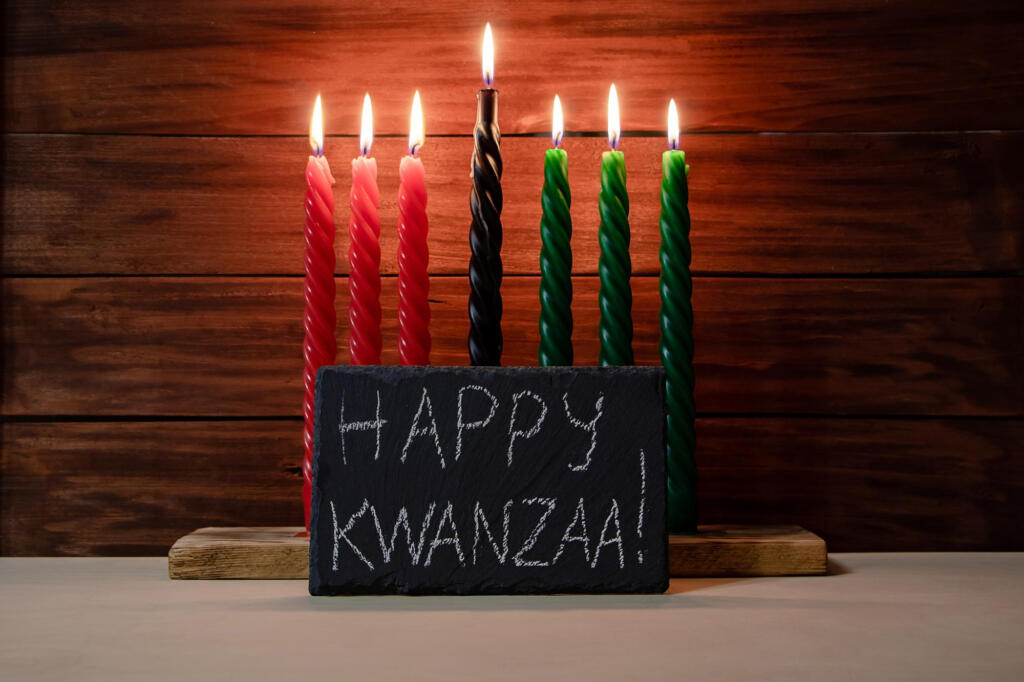
Kwanzaa traditions revolve around the seven principles (Nguzo Saba), which guide the week-long celebration. Each day focuses on one principle, such as unity (Umoja), self-determination (Kujichagulia), or cooperative economics (Ujamaa). Families light a candle on the Kinara each day to reflect on the principle and its relevance to their lives.
Other traditions include decorating the home with African-inspired colors, symbols, and artwork. The Mkeka (straw mat) serves as the foundation for arranging symbolic items like crops (Mazao), the unity cup (Kikombe cha Umoja), and handmade gifts (Zawadi). Storytelling, music, and dance further enrich the celebration, fostering a sense of connection and cultural pride.
Gifts Given on the Last Day of Kwanzaa
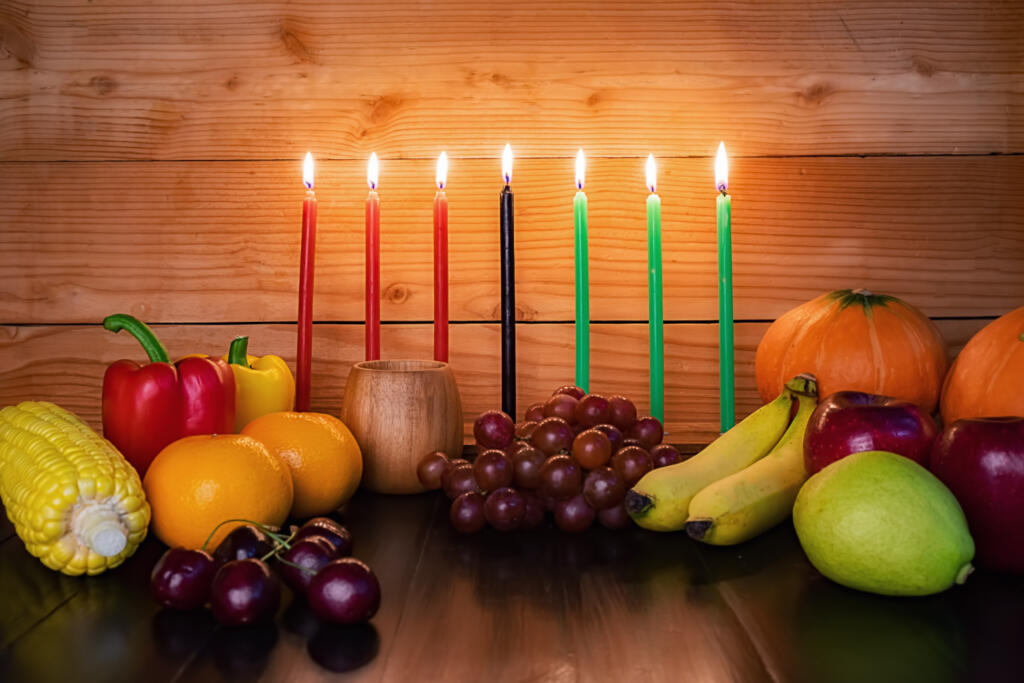
On the final day of Kwanzaa, gifts, or Zawadi, are exchanged to symbolize personal growth, community, and the value of giving. These gifts are often handmade and focus on education or creativity, such as books, art supplies, or crafts. The emphasis is on thoughtfulness and effort rather than materialism, reinforcing the principle of self-determination (Kujichagulia).
Handmade gifts also serve as a way to teach children about the importance of creativity and hard work. For adults, they represent a meaningful way to show appreciation and foster stronger connections within the family and community. The act of exchanging Zawadi encapsulates the spirit of Kwanzaa, celebrating cultural heritage while looking toward the future with hope and unity.
Kwanzaa Traditions Celebrate Unity and Heritage
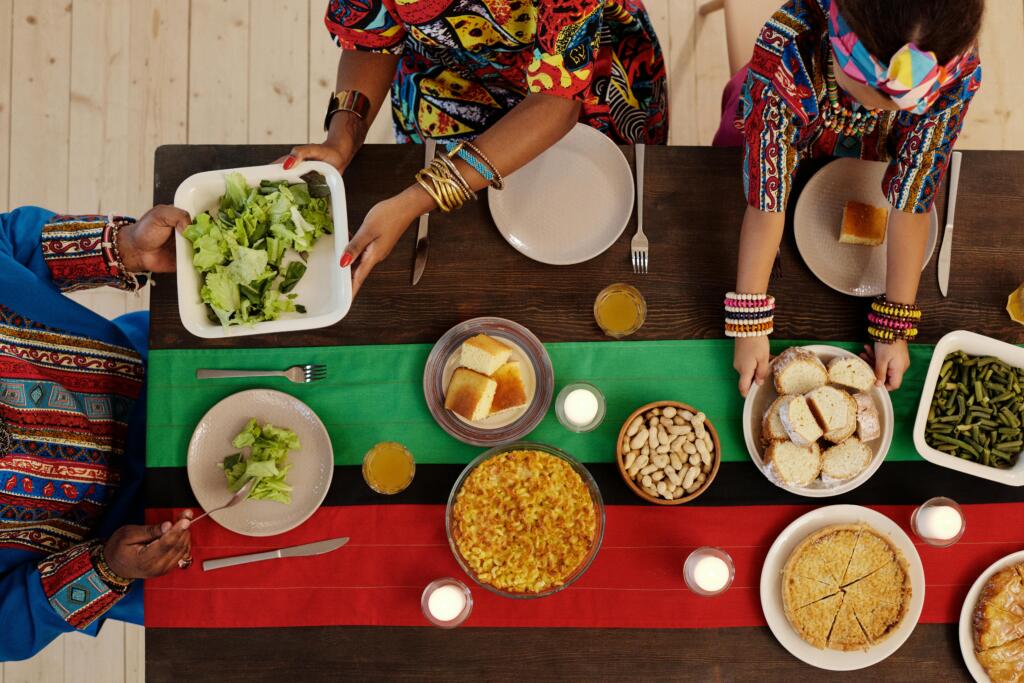
Kwanzaa is a celebration of heritage, community, and shared values that resonate universally. From its origin in 1966 to its modern-day observance by millions, Kwanzaa continues to inspire individuals and families to reflect on the importance of unity, creativity, and cultural pride. Through rituals like lighting the Kinara, sharing meals, and exchanging handmade gifts, participants honor the resilience of the African diaspora while fostering a spirit of hope and progress.
As you’ve explored the traditions, symbols, and meaning of Kwanzaa, consider how its principles can enrich your own life. Whether you’re celebrating as a family or learning about it for the first time, Kwanzaa offers a timeless reminder of the power of community and the importance of staying connected to our roots. What lessons will you take from Kwanzaa into your own celebrations and daily life? Let this cultural holiday inspire growth, unity, and joy in the year ahead.